
LONDON PROPERTY CARE
Mould Remediation Canary Wharf
We plan mould remediation around the areas that can actually be reached and assessed. For Canary Wharf enquiries, we discuss the room evidence, permission for entry and any building-management arrangements before agreeing the proposed work.
The agreed access shapes the scope of the visit.
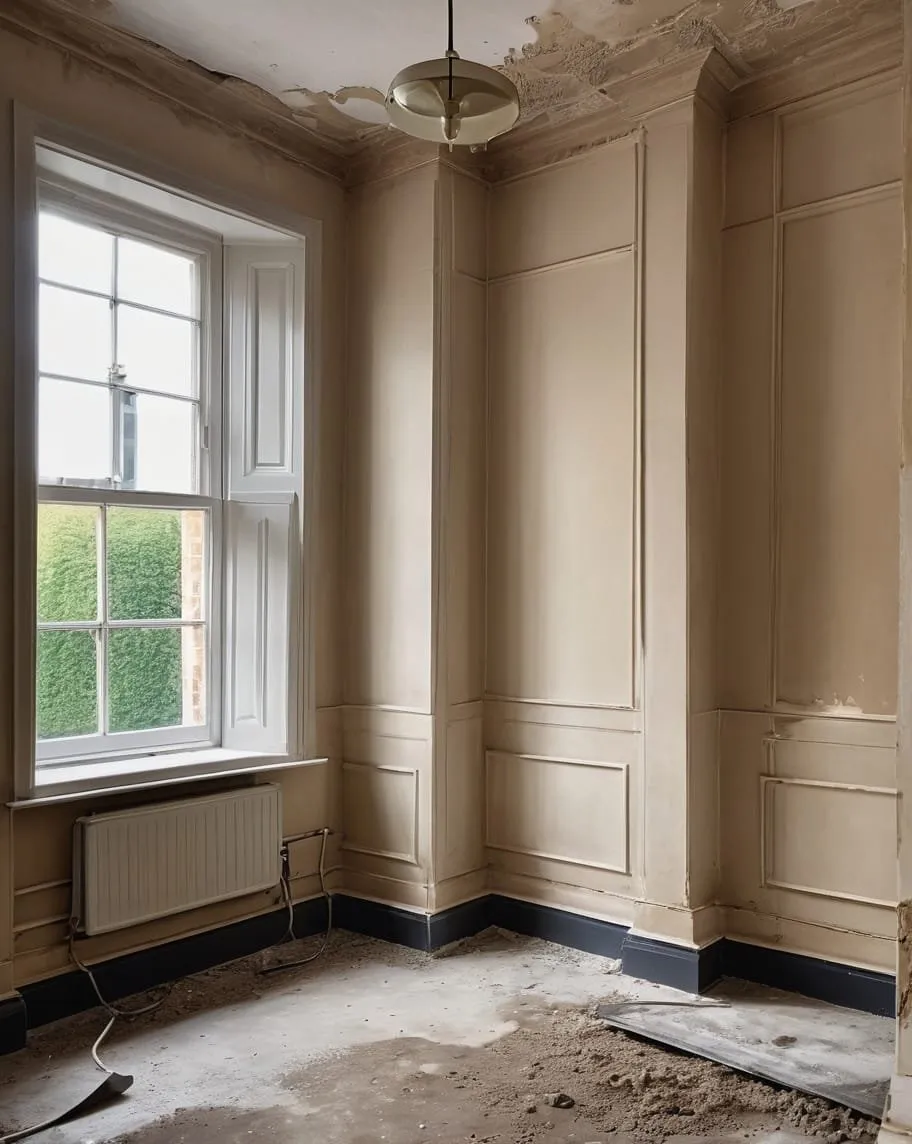
- Confirm access and permissions
- Review the affected room surfaces
- Separate private and connected areas
We clarify the property arrangements early
Before discussing treatment at a Canary Wharf address, we ask how the property can be accessed and who is responsible for approving work. Some enquiries involve a managing agent or a building contact; others do not. We respond to the arrangements you describe instead of assuming every address operates the same way. Mention entry procedures, room availability and any limitation affecting the proposed area. These details help make the appointment useful. They also prevent a surface enquiry being mistaken for permission to inspect shared or neighbouring spaces. The service needs an achievable brief, including the areas you can authorise and the questions you want answered within them.
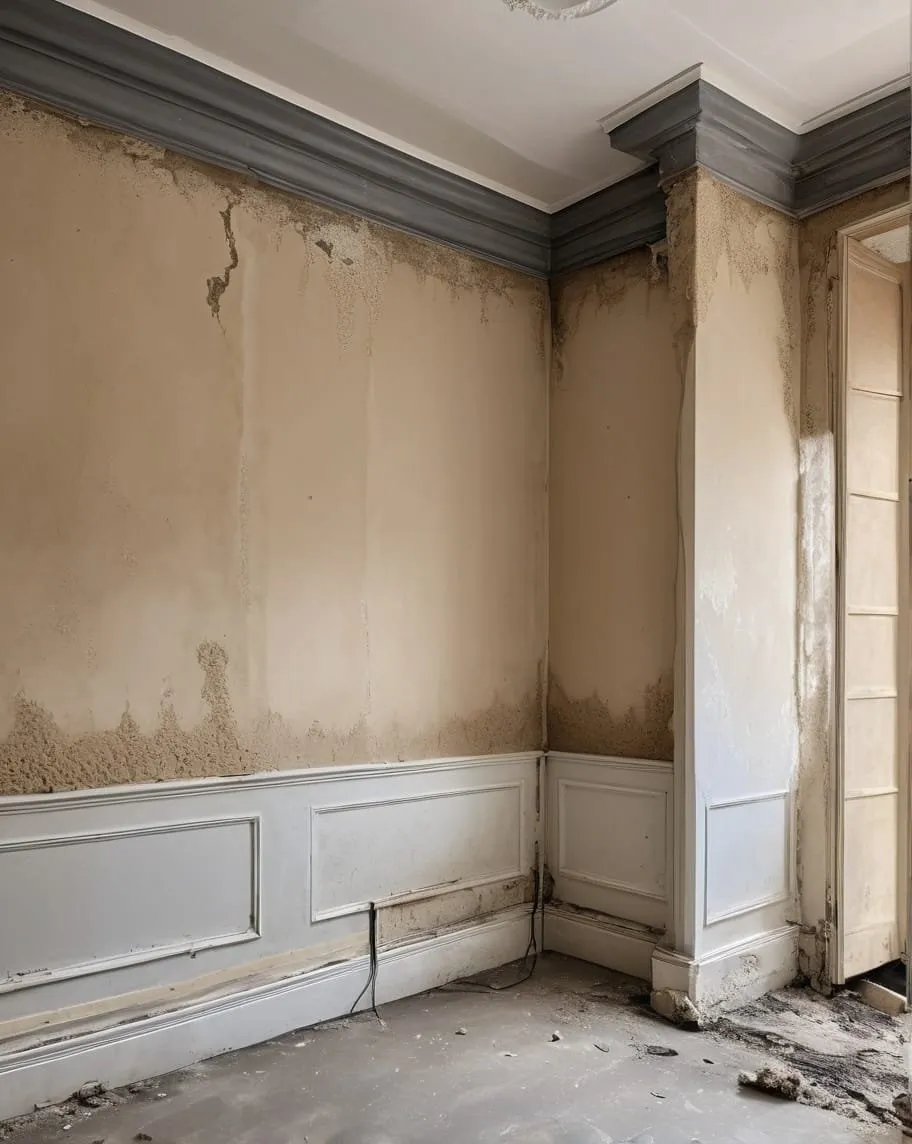
We assess the room rather than the building label
A description such as flat, office or managed property does not tell us why a surface shows mould. We ask about the mark, the material and when it appeared. Window moisture, an earlier leak and deterioration beside an external wall are observations to consider, not ready-made diagnoses. Our damp and moisture inspection can be discussed if the source is the main uncertainty. We explain the accessible evidence and any assessment limit. This keeps the recommendation tied to the particular room, which is more useful than making a confident claim based on the type of building or the name of the area.
Separate room access from shared-area access
You may be able to provide access to the affected room but need another contact to arrange a check elsewhere in the building. Tell us what you can authorise and which access is still pending. We explain the purpose and limits of assessing the accessible internal surfaces and keep any proposed mould treatment distinct from a separate maintenance enquiry. A clear record helps the other contact understand the location and outstanding question without implying that an internal visit has inspected a shared or inaccessible part of the building. Where exterior water entry is the concern, penetrating damp inspection information may help frame the enquiry.
Surface treatment is explained before agreement
Our remediation may include appropriate anti-fungal surface applications, selected after considering the accessible material and assessment. We explain the proposed treatment and preparation within the property brief. Any ventilation or condensation recommendations remain connected to the room findings, while separate building maintenance keeps its own task and responsible contact.
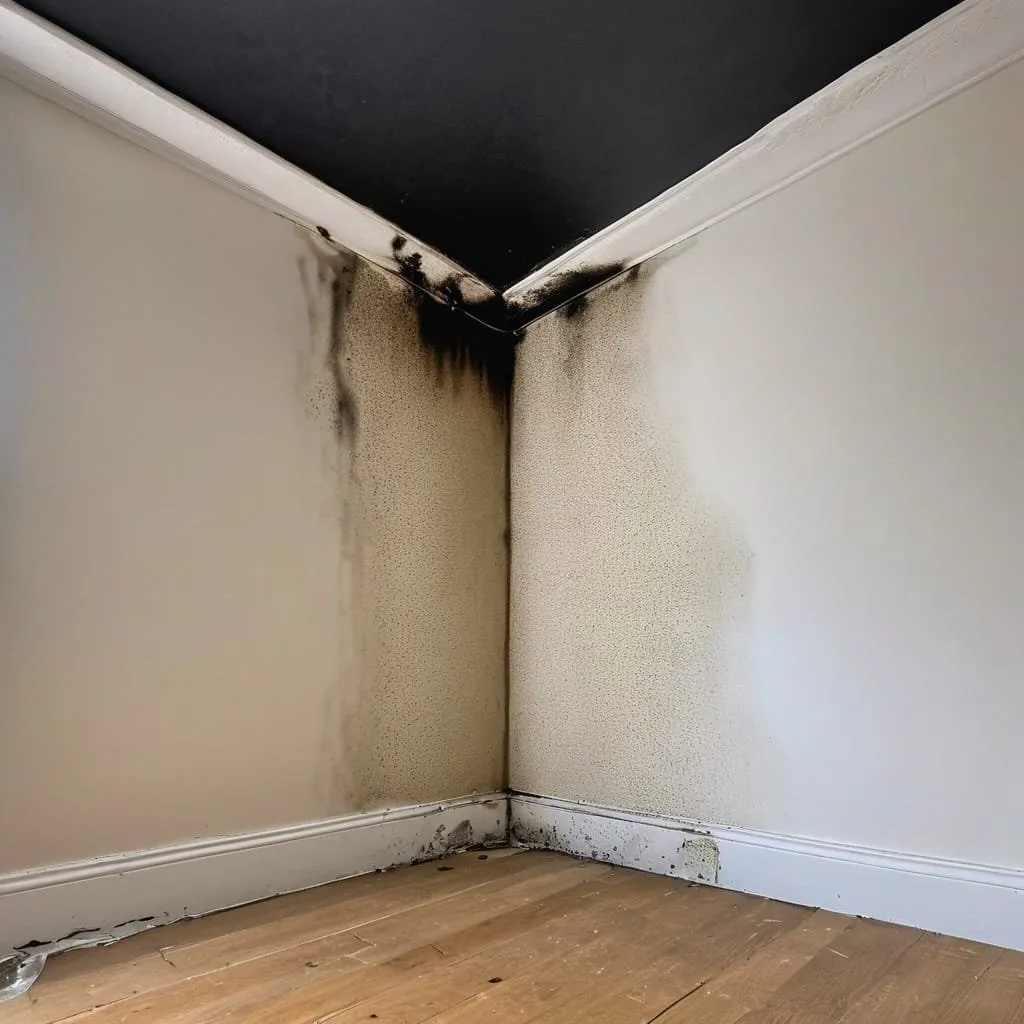
We consider the affected finish and discuss the areas proposed for remediation. Firm paint, damaged plaster and lifting wallpaper can lead to different preparation questions. The mould removal service gives a wider overview of treatment and its relationship to moisture conditions. Before deciding, ask what is included, what needs to be accessible and whether subsequent repair or decoration is separate. We explain those distinctions so you can organise the work realistically. A neat photograph after treatment should not be used to suggest that inaccessible spaces were assessed or that an unrelated building repair has been completed as part of the same scope.
Talk through the property concern
Occupancy affects how the work is arranged
Tell us whether the affected room is in use and what practical restrictions matter. A work area, bedroom or storage space may require different preparation discussions. We ask about belongings and access rather than issue one generic instruction to clear everything. If the enquiry concerns a business premises, our commercial damp and mould service allows the operational brief to be discussed separately. Any reporting requirement should be raised before booking. The aim is to align the service with the premises and the responsible contact, including what can happen during the agreed visit and what requires another decision or arrangement.
Why a defined handover helps after treatment
Our approach gives you an account of the proposed surface work and the connected questions that remain. That helps occupants and managers understand the next maintenance decision without confusing treatment with a guarantee about the whole building. Keep the work scope with the correct Canary Wharf address, and retain any separate repair instructions. If a new mark appears, note the exact location and whether circumstances changed after the visit. A shared maintenance contact can then review the relevant information rather than a chain of unrelated photographs. We can discuss the follow-up in that context, distinguishing a new surface concern from an unresolved question outside the original access.
QUESTIONS FOR THIS VISIT
Before making arrangements
Do you arrange building access for me?
Explain the access procedure and responsible contact when enquiring. Permissions and entry arrangements need to be clear before a visit. Do not assume that a treatment booking provides authorisation for shared areas or neighbouring properties.
Can you inspect a connected communal space?
That requires appropriate permission, practical access and an agreed scope. Tell us why it may be relevant. A private-room assessment should not be presented as a complete inspection of spaces that were never accessible.
Is commercial treatment the same as a home visit?
The surface and moisture questions may overlap, but the operational brief can differ. Discuss room use, access, responsible contacts and any required findings so the proposed service fits the premises rather than a generic booking description.
What if a managing agent is organising repairs separately?
Share the repair history and who coordinates the next task. We can discuss remediation with those arrangements in mind. Keep the surface treatment scope separate from a repair instruction that another contractor is responsible for carrying out.
Why do you ask about room use?
Room use can affect preparation, access and the history you report. It helps us plan the service conversation around the actual space. It does not replace assessment or establish the cause simply because a room is occupied.
Nearby service enquiries
We also take enquiries in the surrounding areas. Call with the property’s address and affected rooms.
Make the access brief part of the enquiry
Tell us your Canary Wharf location, the affected surfaces and who can approve entry and work. We can discuss an achievable service scope and the maintenance questions that should be kept alongside it.