
LONDON PROPERTY CARE
Mould Remediation Whitechapel
We help organise mould remediation where occupants, owners and property managers need the same clear plan. For Whitechapel enquiries, we establish the affected surfaces, access arrangements and purpose of any written findings before recommending work.
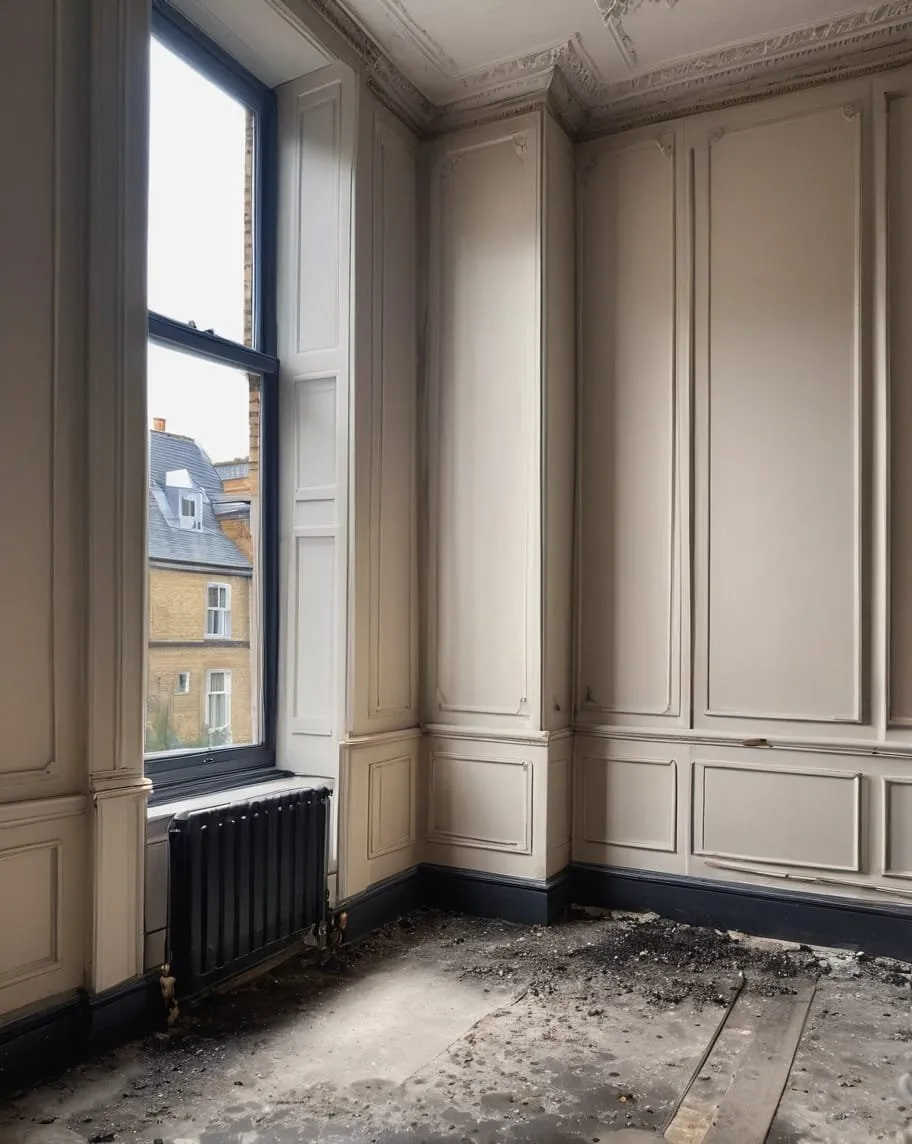
The room evidence stays central to the discussion.
- Connect the right property contacts
- Agree the purpose of the assessment
- Explain treatment and repair boundaries
We turn a reported problem into a workable brief
A message saying there is mould may travel through several people before anyone arranges a visit. We help clarify the brief at that point. For a Whitechapel property, tell us who noticed the growth, which room is involved and who is responsible for commissioning work. We ask what the enquiry needs to achieve: assessment, surface treatment, written information or a combination agreed in advance. A clear brief avoids an inspection being booked when the expectation was a full decorative repair. It also gives the occupant a way to share the room history without being asked to decide the cause or take responsibility for the whole building.
Agree the three contacts before booking
The person reporting mould may live in the property, while someone else approves the proposal and a third person arranges access. Tell us who handles each task. We use the resident’s account to understand the affected rooms, send the proposed treatment to the person able to approve it and agree preparation with the person providing access. If one person handles all three tasks, that is simpler. The point is to avoid an approved visit arriving before the affected wall can be reached or before the occupant knows what has been agreed. Our landlord assessment service describes why the purpose and limits of a visit should be clear.
We examine the problem without starting from blame
The room history can include changes in ventilation, an earlier water incident or deterioration of a finish. We consider those observations alongside the accessible surface. They are not a reason to decide responsibility before assessing the problem. Where the moisture source remains uncertain, a moisture inspection can help structure the next decision. We distinguish what is seen from what is reported and explain the scope of the assessment. This is particularly useful when several accounts describe the same room differently. The aim is an intelligible maintenance decision, not a conclusion built around whichever person sent the first email.
Treatment is explained as a defined task
The proposed mould work may involve appropriate anti-fungal applications to assessed surfaces. We explain the preparation and included materials to the commissioning contact, and share relevant access arrangements with the occupant. That keeps the actual treatment method connected to the room and the people who need to organise it.
We discuss which affected surfaces are included and whether their condition raises a separate repair question. Visible growth on sound decoration and growth beside loose plaster need different preparation conversations. The mould removal service explains the role of remediation without treating it as a promise to restore every finish. Before work is agreed, establish who can approve changes if the scope needs reconsidering. A property manager may arrange access while the owner authorises a material repair. Keeping those roles explicit helps avoid an occupant being asked to approve something beyond the visit they were told to expect.
Talk through the property concern
Written findings should answer an agreed question
If you require written information, explain how it will be used before booking. A record for maintenance planning is not automatically a specialist document for every possible purpose. We agree the relevant scope and discuss what can be recorded from the accessible areas. Tell us about existing reports so that a new visit can focus on the question that remains. For an estimate, send us the affected rooms, access details and the work you need. Our quotes and pricing page explains what helps us define the proposal. Keep the description of findings separate from an assumption about additional testing or legal conclusions that has never been agreed.
Why clear coordination improves the service
We connect the occupant’s observations with the person arranging treatment and the person responsible for related maintenance. That coordination makes the technical conversation more useful because access, permission and surface conditions are considered together. After remediation, we explain the relevant follow-on issues identified within the agreed work. Keep the treatment record and any separate repair plan with the correct Whitechapel address. If a later mark is reported, ask whether it is on the same surface and what has changed since the visit. A well-kept record allows the next enquiry to focus on new evidence instead of repeating an unresolved chain of messages.
QUESTIONS FOR THIS VISIT
Before making arrangements
Can a property manager make the enquiry?
Yes. Give the affected rooms, access contact and who can authorise the proposed work. If the occupant has first-hand information about timing or changes, arrange for that account to be available rather than reducing it to a single line.
Will you decide who is responsible for the mould?
The service discussion focuses on the accessible condition, moisture questions and proposed work. Do not assume an assessment includes a legal decision about responsibility. Tell us the purpose of any requested document before arranging it.
Should the occupant clear every room?
Preparation should follow the agreed areas and access requirements. Describe furniture and belongings first. A whole-property clearance may be unnecessary, and fitted or heavy items should not be moved without an appropriate arrangement.
Can earlier reports be useful?
Yes. Share their date, scope and unresolved recommendations. We can discuss what the new enquiry needs to add, rather than presume that every previous finding is either complete or irrelevant to the current condition.
What if the owner cannot be reached during the visit?
Agree an approval contact and any decision limits beforehand. This is useful where an additional repair may require separate authorisation. The planned treatment scope should not depend on someone being unexpectedly available to make a wider decision.
Nearby service enquiries
We also take enquiries in the surrounding areas. Call with the property’s address and affected rooms.
Arrange the people as well as the visit
For Whitechapel work, tell us who reports the condition, who provides entry and who approves treatment. We can discuss the service around that brief and make the assessment purpose clear before the arrangements are fixed.