
LONDON PROPERTY CARE
Mould Remediation Hanwell
One affected window and several affected windows need different enquiry briefs. We help Hanwell owners compare the rooms, materials and timing, then agree an assessment and treatment scope without assuming every surround has the same moisture cause.
Each window remains identifiable within the proposed scope.
- Compare each affected window
- Separate shared timing from cause
- Define single or multiple surfaces
Give every affected window a room name
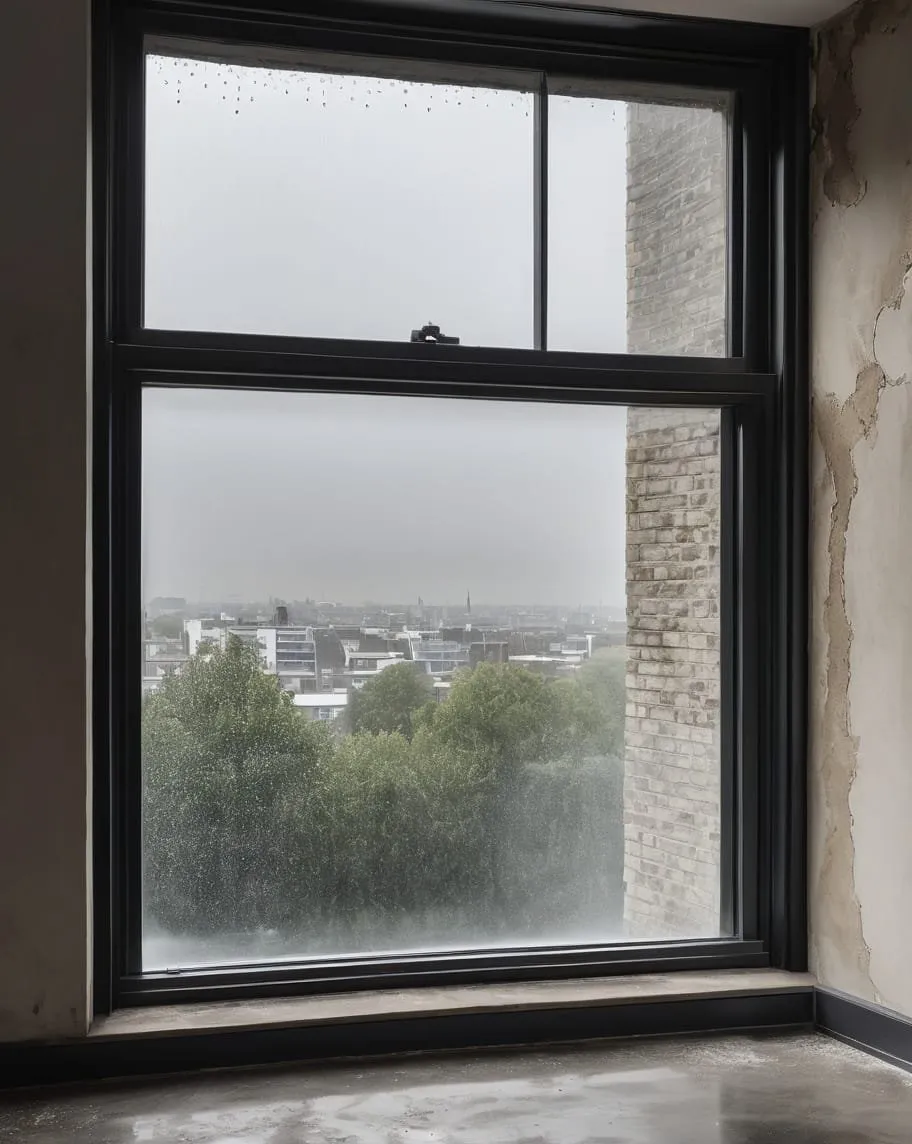
When several windows show mould, a request to treat the windows can hide important differences. We ask you to name the rooms and identify which part of each surround is affected. The bedroom reveal, bathroom ceiling beside glazing and sitting-room sill may be three separate surface questions, even if they are reported on the same day.
For a Hanwell enquiry, this can be a short list rather than a technical survey. Include windows with no visible growth if they help explain the comparison. We use the room names to keep the assessment and proposed treatment identifiable, so a discussion about one surround is not accidentally extended to every window in the property.
Compare the materials before combining the work
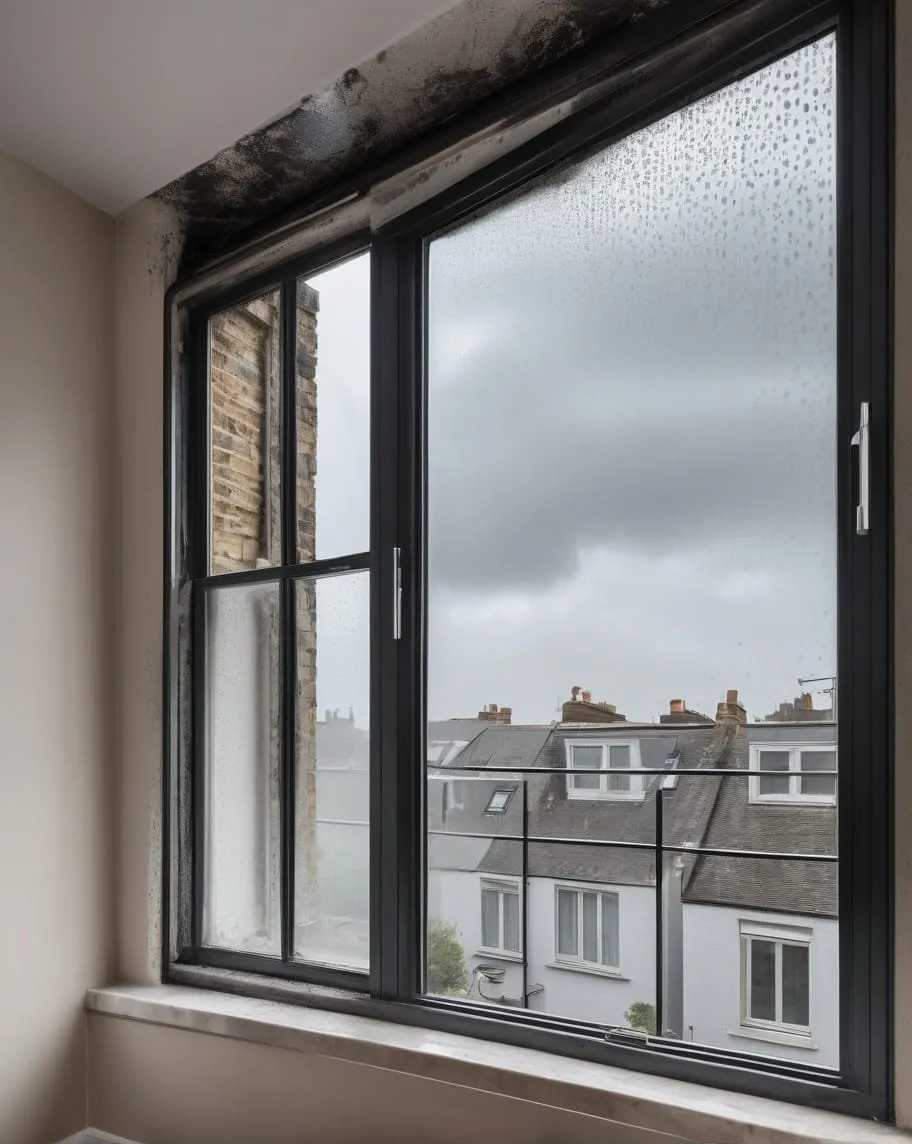
We ask whether growth lies on painted plaster, a papered reveal or another finish. Describe loose paint, damaged material and any area that has recently been repaired. Two windows of similar appearance can still have different treatment questions because the adjoining surfaces are not in the same condition.
Our window mould treatment service considers these accessible surface concerns. We explain which materials are proposed for work. Treatment of a reveal should not be assumed to include the whole frame, curtains or adjacent wall unless those areas have been discussed and included explicitly.
Use timing to frame the comparison
We ask whether the marks appeared together or were discovered at different times. You may notice moisture on glazing in one room while another mark followed a known incident. Keep these observations separate. Shared timing can be useful, but it does not prove that the same moisture source affects every window.
We can consider ventilation and humidity questions where relevant to the room findings. Our condensation and mould service provides context for that discussion. We do not automatically apply a single explanation to all surrounds just because several windows are involved in one enquiry.
Decide whether one area or several need assessment
Once the comparison is clear, we discuss the purpose of the visit. You may need treatment of one known affected reveal, or a wider assessment because growth appears in several rooms without an understood history. The scope should say which rooms and questions are included, rather than simply describe the whole property as having window mould.
An agreed damp and moisture inspection can help address unresolved questions. Tell us about fitted items or restricted rooms that limit access. We explain what can be checked and what remains outside the assessment, even where a similar accessible window has been inspected elsewhere in the home.
Turn the comparison into named treatment areas
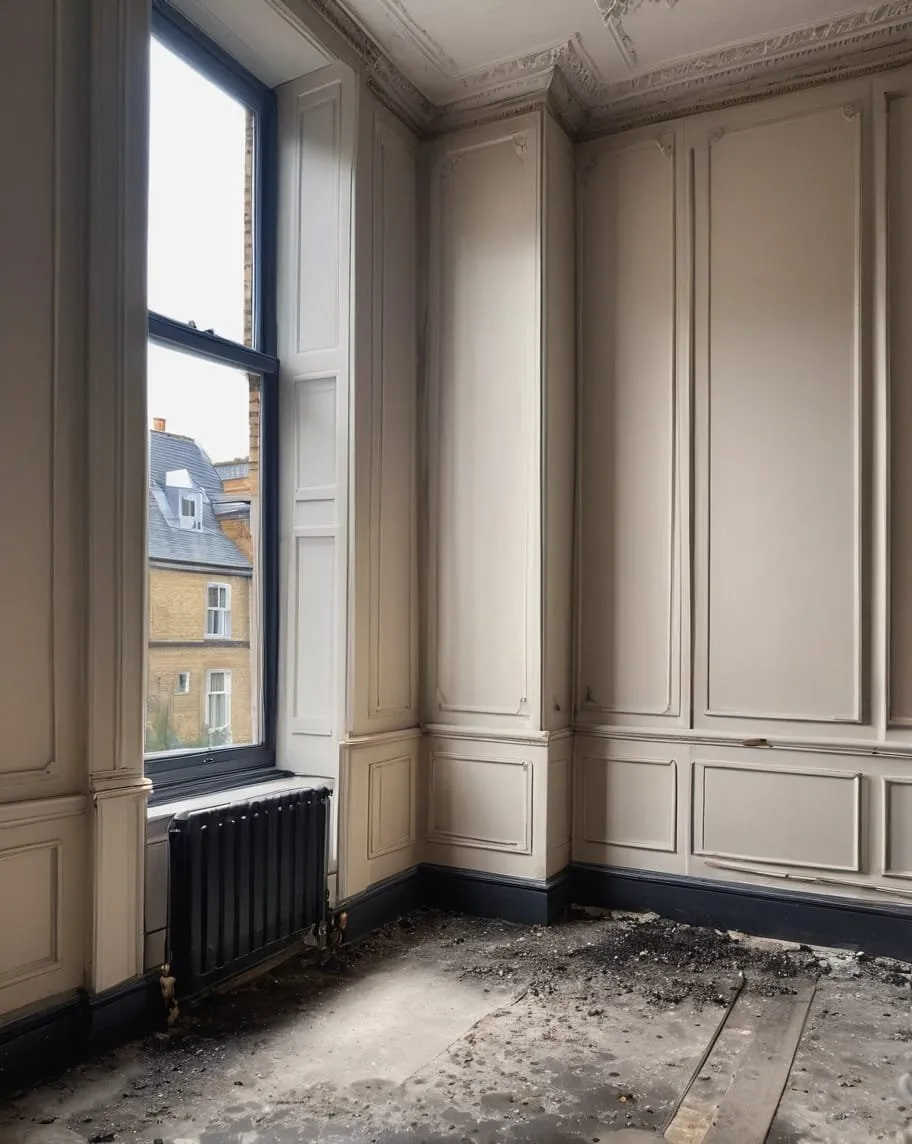
We consider the assessed material and condition when proposing remediation. Appropriate anti-fungal surface applications may form part of work on the agreed affected areas. We explain the included surrounds individually so the scope remains useful to the person arranging access or approving treatment.
If repair or decoration is planned, keep those tasks distinct from treating growth. A damaged finish may need separate restoration, and a window repair should not be inferred from a surface-treatment proposal. Naming the areas makes it easier to organise those responsibilities without treating all rooms as one interchangeable job.
Why a window-by-window brief is useful
Our approach helps you move from a general report to an understandable decision. We compare the observations, assess the accessible materials and explain whether a focused or wider scope is appropriate. That provides genuine value when several rooms have produced similar photographs but different practical questions.
Contact us with the room list and any repair dates. Photographs should show each surround and its adjoining wall, not just an unlabelled close-up. You do not need to diagnose every window first; the useful starting point is a clear account of where the concern appears and what decision the visit needs to support.
Nearby service enquiries
We also take enquiries in the surrounding areas. Call with the property’s address and affected rooms.
QUESTIONS FOR THIS VISIT
Before making arrangements
How should I describe several affected windows?
Name the rooms and identify the affected part of each surround. Add when the marks appeared and any repair history. A short labelled list helps us discuss whether the visit should address one window or several areas.
Does growth at several windows prove one shared cause?
No. Shared timing or a similar appearance can guide the enquiry without establishing the cause. We consider room observations and material condition separately, then explain how those findings relate to the proposed scope.
Can you treat one surround without every window?
Explain the area you want addressed and the relevant history. We discuss whether a focused scope is appropriate or whether an unresolved question needs a wider assessment. The proposal should identify the actual rooms and surfaces included.
Why compare the finishes around each window?
They may differ in material or condition even when the frames look similar. That can affect treatment and separate repair questions. Describing each finish helps avoid assuming one surface proposal suits every surround in the home.
What photographs help a multi-room enquiry?
Label images by room and show each whole surround with its adjacent wall. Include closer images if useful. The comparison is clearer when the photographs identify different areas rather than present several unlabelled patches.
Bring a short window list to the call
Name each room, the affected part of its window surround and when the mark appeared. We can discuss whether the enquiry needs a focused visit or a wider assessment, with the proposed treatment areas clearly identified.