
LONDON PROPERTY CARE
Mould Remediation Ealing
We assess mould concerns in Ealing by reviewing the pattern of growth and the moisture history. From there, we explain the appropriate inspection or surface treatment and the questions that need resolving before decoration.
Access limitations remain clear in the findings.
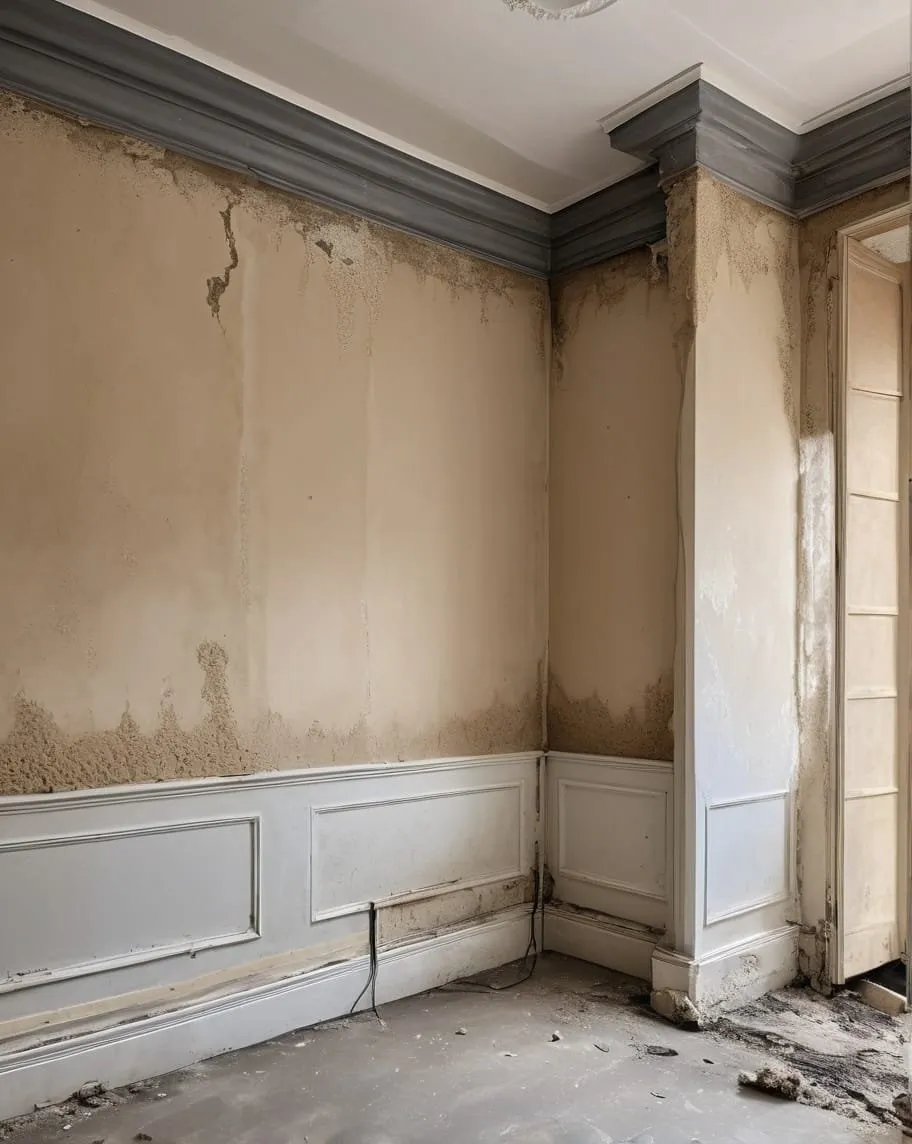
- Compare weather and room-use clues
- Distinguish observations from diagnoses
- Choose investigation where evidence is unclear
Two observations that should not be merged
Imagine a window that is wet in the morning and a wall stain that becomes darker after rainfall. These observations can raise different questions even within a single property. Recording them separately helps an inspection ask the right questions. Describing everything as damp can lose the timing and location that make the enquiry useful.
For Ealing enquiries, tell us which surfaces are affected and what changes them. We assess the pattern in your property alongside its moisture and repair history, using the accessible surfaces to guide the next step.
A short comparison is better than a guessed label
For each affected spot, note when it is visible, whether it is changing and what is nearby. Recent plumbing work, a repaired roof or a newly fitted window can provide background. Keep those events in the record without treating them as proof. An earlier suspicion may remain unconfirmed even after several attempts at cleaning or painting.
The moisture inspection page explains how an assessment brings observations together. A reading or photograph is one part of that process. Ask which evidence supports the next step and whether there is still a question that requires further access or another professional.
When the weather appears to be involved
A rain connection can direct attention to water entering through the building. It does not identify the exact route by itself. The visible mark may be away from the source, while the relevant exterior could be outside the accessible inspection area. Explain roof, communal-space or neighbouring-property access before arranging a visit.
Our penetrating damp information sets out the distinction between accessible findings and further checks. A proposal should not imply that every external feature has been inspected if that was not possible. Any repair recommendation needs an explanation of what it addresses and why.
When the room conditions need attention
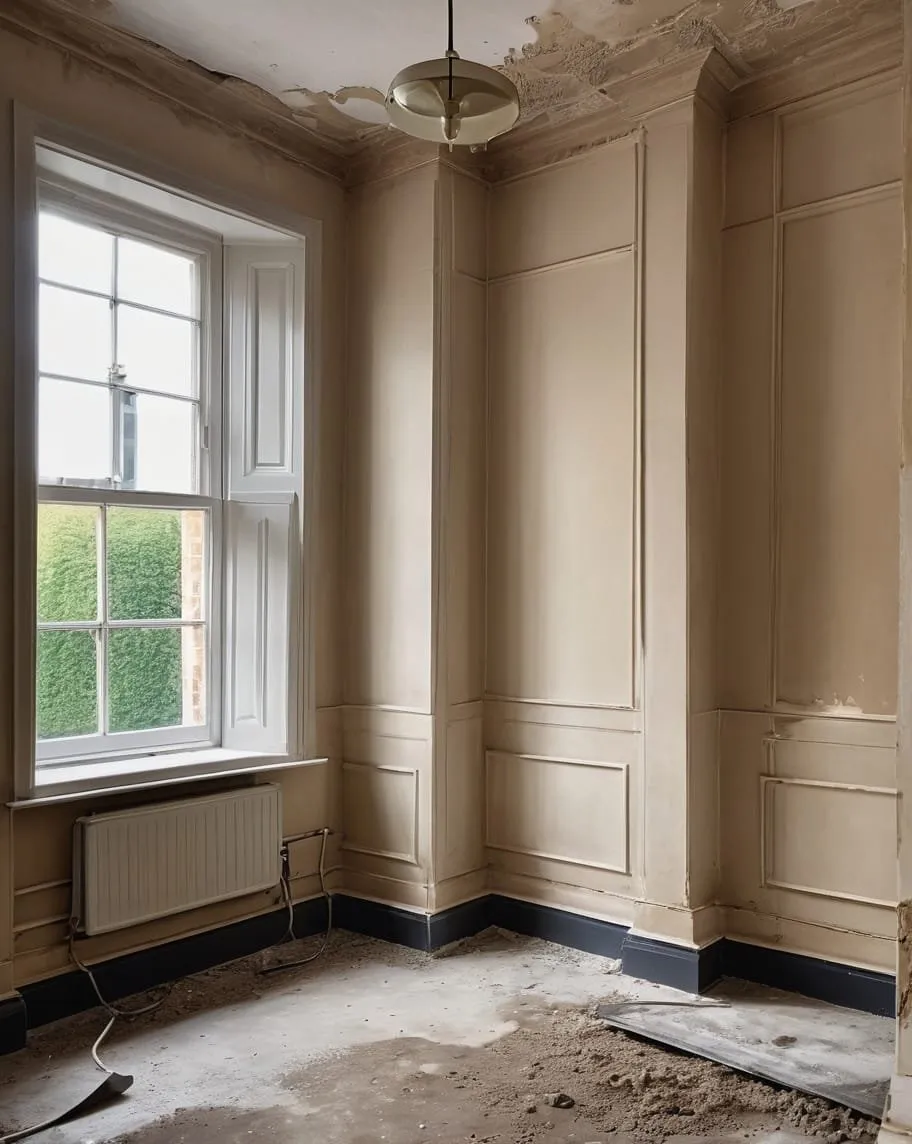
Moisture on colder surfaces raises a different discussion about condensation and how the space behaves. Ventilation, heating and surface conditions may be relevant. They should be considered as part of the building picture, not used to dismiss another potential source without investigation. Several concerns can overlap within one room.
Read the condensation treatment guide for that route. If growth is confined to a frame or reveal, the window-area service provides more specific material and access questions. Those links help you choose a focus without assuming that every wet window needs the same scope.
Match surface work to what is known
Treatment can be discussed once the affected material and moisture concerns are clearer. The work should identify included surfaces and distinguish remediation from replacing damaged finishes. If a defect continues to introduce water, its repair may need to be coordinated with removal. Fresh decoration alone does not settle the source question.
Ask whether the planned assessment answers enough of the problem to proceed, or whether a separate check is needed first. Clear uncertainty is useful information. It prevents a room from receiving repeated surface attention while the unanswered moisture question remains unchanged. A realistic plan gives each task a purpose.
During assessment, we consider relevant moisture readings and visible patterns alongside the reported timing. That helps us explain which observations support the recommendation and which remain uncertain. Where treatment is appropriate, we select suitable surface applications for the affected materials and explain any separate repair question. This gives you a clearer basis for choosing the next service and avoids booking a decorative repair before the moisture concern has been considered.
Bring the observations to the enquiry
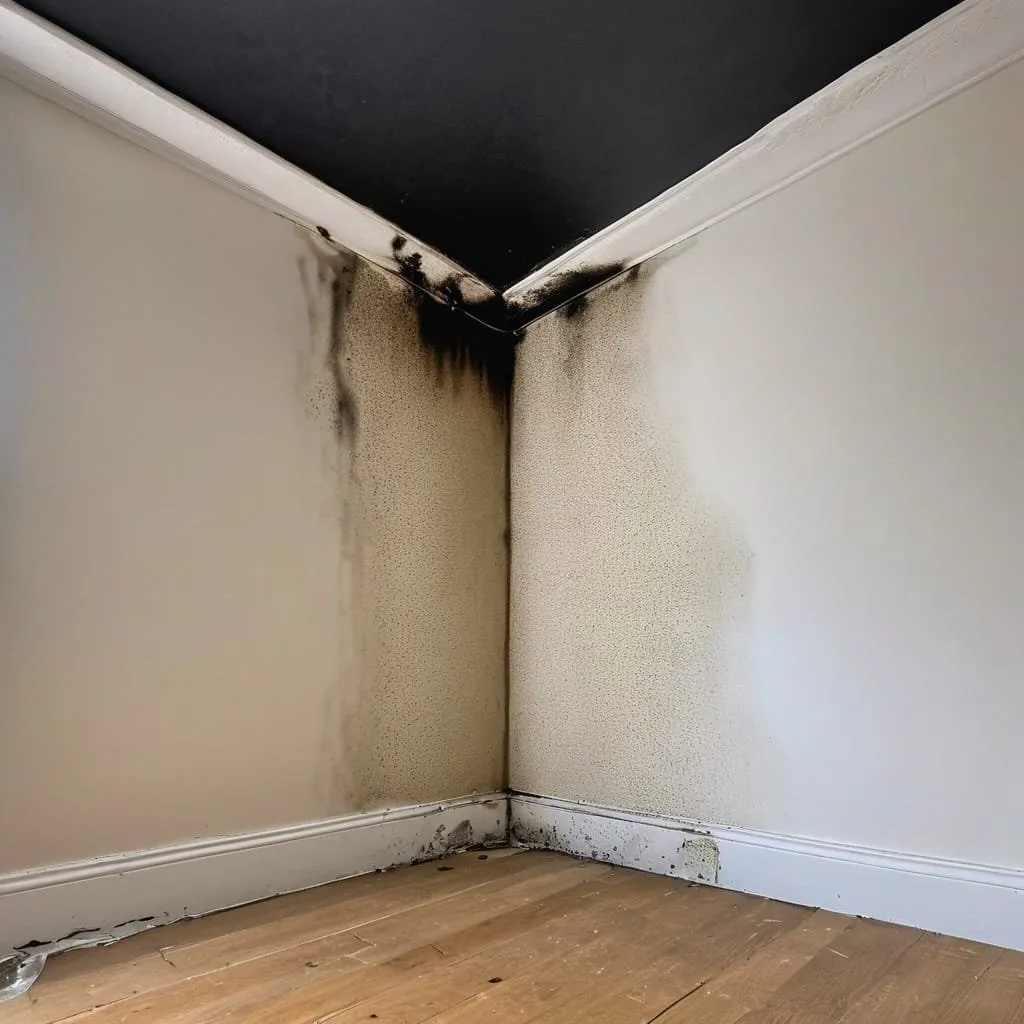
Call with your Ealing location, the affected rooms and a concise timeline. Mention repairs already completed and access restrictions. You do not need to classify the mould or decide which kind of damp is present. The point of the enquiry is to establish a suitable next step from the information available.
Nearby districts such as Acton, Hanwell and Chiswick can be discussed through the same London contact. Give the precise property location when enquiring, especially where an address is described using more than one district name. The observations and access then help define the proposed visit.
Nearby service enquiries
We also take enquiries in the surrounding areas. Call with the property’s address and affected rooms.
QUESTIONS FOR THIS VISIT
Reading the evidence clearly
Is a rain connection enough to identify the leak?
It is useful background, but it does not establish the exact water entry point. Location, building details and accessible evidence need attention before selecting a repair.
Can condensation and a separate defect occur together?
Yes, the observations may point to more than one concern. An assessment should not force all affected areas into one explanation when their timing or condition differs.
Are moisture readings the final answer?
They provide evidence that needs interpretation alongside the material and other findings. Ask what a reading supports and what remains uncertain, particularly where an area is concealed.
What if the relevant roof is not accessible?
Explain that before booking. The report should describe the access limit and any further investigation needed, rather than present an uninspected roof as ruled out.
Should I send a photo of every wet-looking mark?
Mention the different locations and include wider views where possible. Their relationship and timing may be more useful than several close-ups with no description of the surrounding room.
Describe the changes before choosing treatment
Explain whether the marks change after rain, appear beside wet glazing or followed a known incident. Those observations help establish which inspection question needs answering.