
LONDON PROPERTY CARE
Mould Remediation Southall
A bathroom needs a treatment plan that considers more than the darkest patch. We discuss the affected ceiling, walls and nearby surfaces in Southall properties, then connect the remediation scope with the moisture conditions reported.
Recommendations relate to the bathroom being assessed.
- Map affected bathroom surfaces
- Review finishes and moisture signs
- Explain treatment and prevention steps
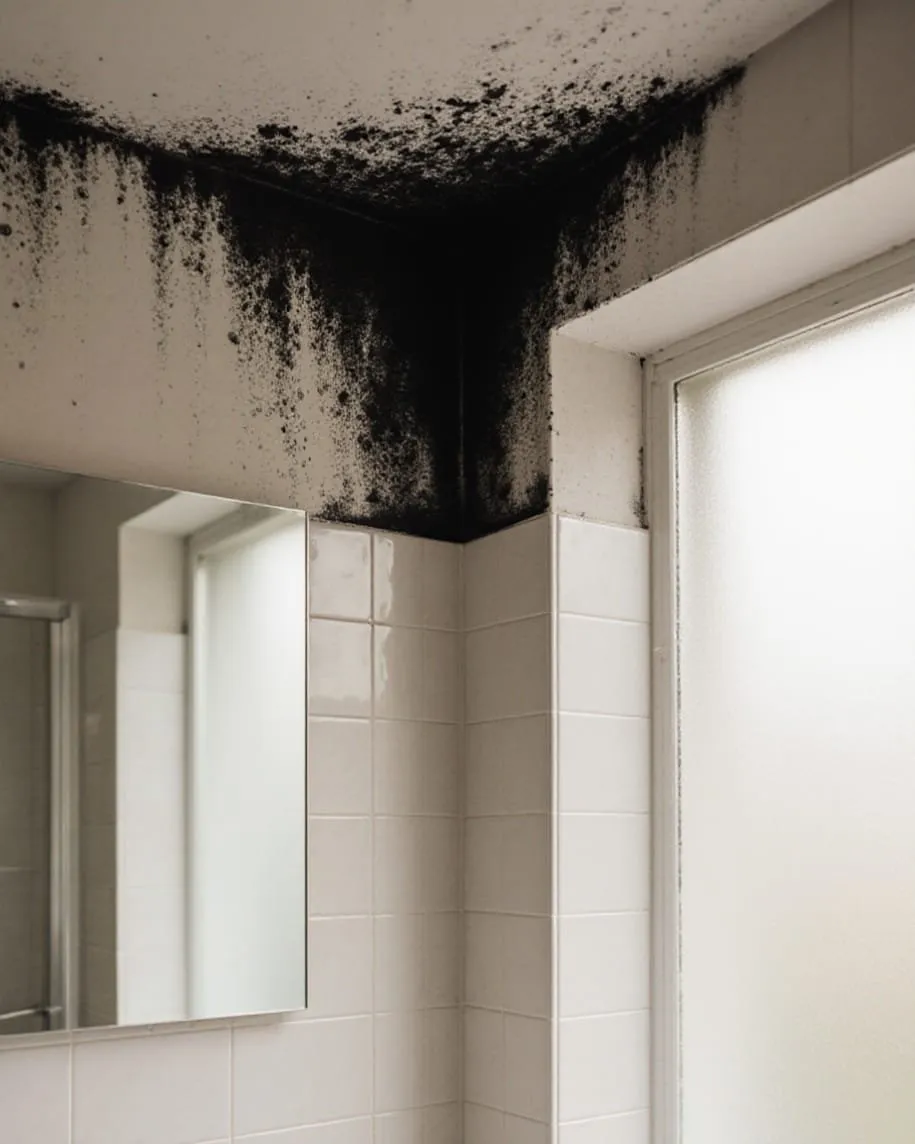
Look at where the growth is concentrated
We begin by asking whether mould lies on the ceiling, painted walls, window area or several surfaces. Its position helps frame the inspection, but it should not be used alone to diagnose the cause. A bathroom can contain different materials and moisture patterns within a small space.
For Southall enquiries, a room photograph and a clear description are useful first steps. We ask when the marks appeared and what you have already tried. That history helps us discuss whether the enquiry concerns recurring growth, a new patch or damage following a known incident.
Examine the finish before choosing the scope
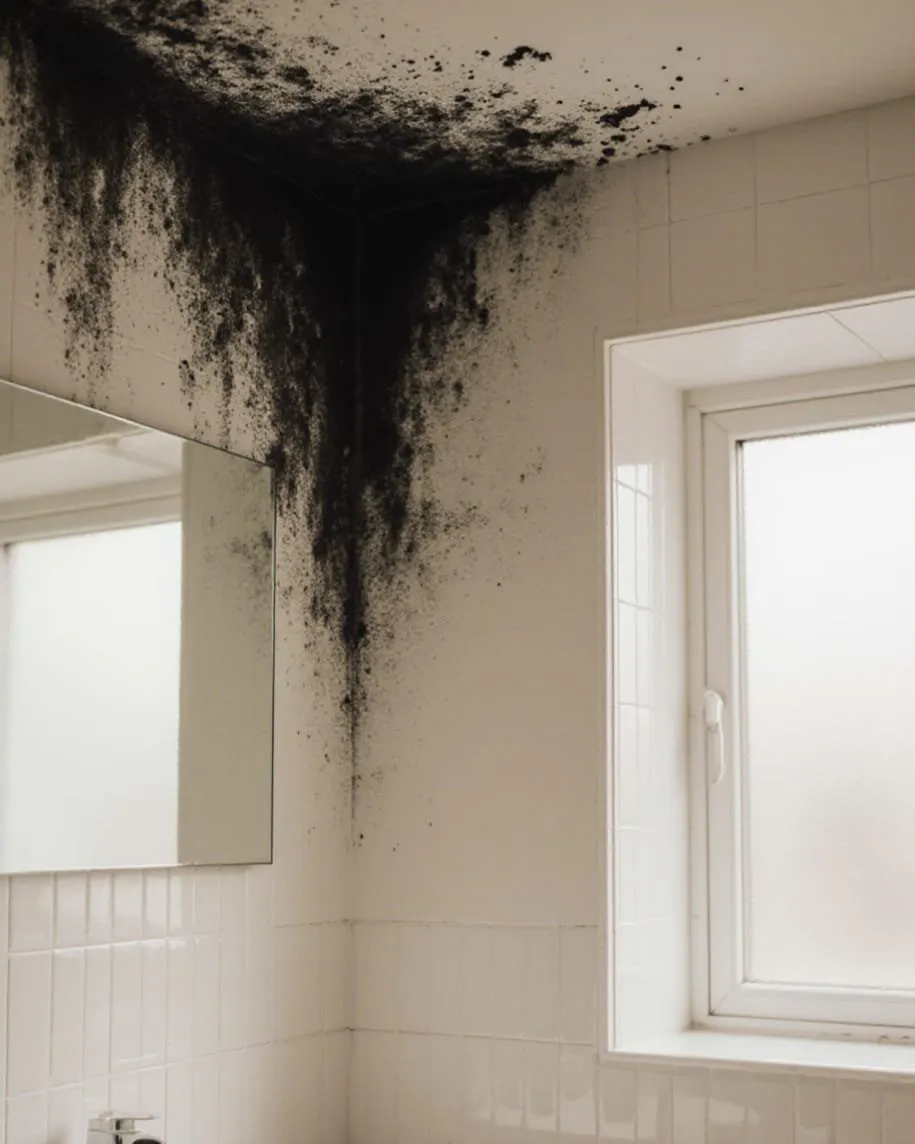
Bathroom coatings may be sound in one place and peeling in another. We consider the affected material and discuss its condition because removal and finish repair are separate tasks. You should know which surfaces the proposed treatment includes before assuming that the room will also be redecorated.
Our bathroom mould removal service explains those treatment questions. If you are worried about a different material or a concealed area, raise that specifically. A proposal for accessible walls should not be assumed to cover everything behind fittings.
Review the moisture pattern in ordinary language
We ask about wet glazing, lingering moisture and any known leak. You do not need technical measurements to describe what happens after the bathroom is used. Equally, routine use should not become an automatic explanation for every mark. We consider the available evidence and any unanswered building question.
Our condensation and mould service is relevant where room moisture and colder surfaces need discussion. We connect that question to the inspection instead of treating it as a generic instruction that applies identically to every bathroom.
Give ceiling concerns their own attention
If growth sits overhead, tell us whether the finish is stained, loose or affected near a fitting. Also mention known incidents in any space above, without assuming they explain the present condition. Ceiling treatment has access and material considerations that should be included in the scope.
Read about ceiling mould treatment when that is the main concern. We explain what the proposed remediation covers and whether another repair question remains. A clean-looking ceiling should not be presented as proof that every source of moisture has been resolved.
Arrange the work around the household
We discuss who provides access and whether the bathroom is the only one available. Those details matter when planning an occupied home. Any preparation or access requirements should follow the agreed task rather than leave you guessing what needs clearing before the visit.
If repair or decoration is already booked, mention the timing. We can discuss how the assessment and treatment fit into that plan. Keeping the responsibilities separate makes it easier to arrange the room work without assuming one service includes plumbing, replacement fittings and all finishes.
Treatment may include appropriate anti-fungal applications to the agreed bathroom surfaces, selected in relation to their assessed condition. We explain those areas and consider ventilation or humidity recommendations where relevant. This joins the professional surface work to the room conditions instead of reducing the plan to another household cleaning instruction.
Match the enquiry to the surface
Our approach considers the growth, material and moisture question together. We explain the proposed work in terms you can use when arranging the next step. That helps avoid another cycle of cleaning a familiar patch without understanding whether a connected concern still needs attention.
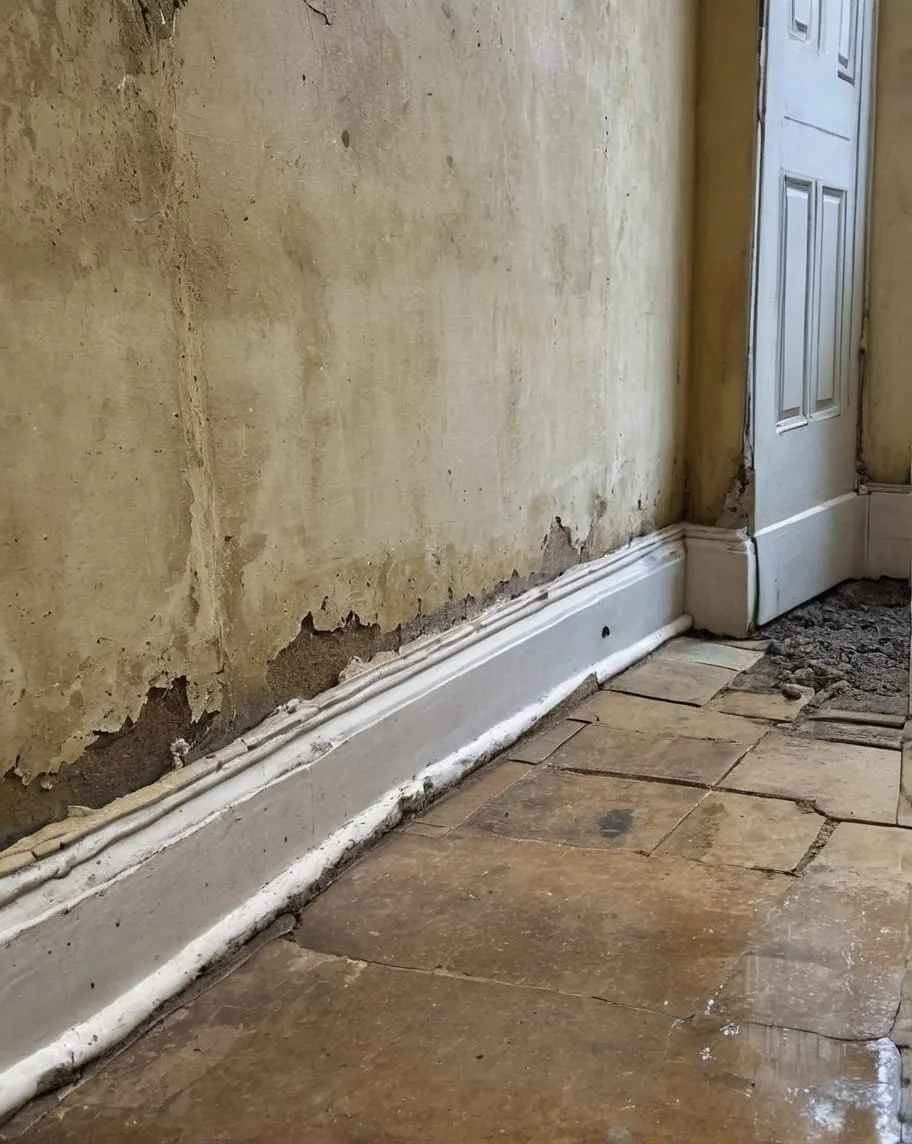
Describe the bathroom ceiling, wall, window surround or sealant separately, including any damage and moisture history. We discuss suitable assessment and treatment around those details. For growth in another room, describe that area too; it is not excluded because this page explains a bathroom example. The agreed scope should identify the actual surfaces rather than assume one bathroom-related concern throughout the property.
QUESTIONS FOR THIS VISIT
Before making arrangements
Can you treat only the bathroom ceiling?
Tell us that it is the main affected surface and describe the condition. We discuss whether a focused scope is appropriate and whether the history raises questions beyond the ceiling. The agreed proposal should identify what is included.
What can bathroom mould tell us about airflow?
No single observation establishes the whole cause. Room moisture and ventilation may be relevant, but known leaks and material condition also deserve consideration. We discuss the particular evidence rather than start with a universal explanation.
Should I remove bathroom fittings beforehand?
Discuss access before doing that. Preparation needs to follow the agreed assessment or treatment. Removing fittings can be a separate task and should not be assumed necessary simply to make an enquiry about visible growth.
Can I ask about walls and ceiling together?
Yes, describe all affected bathroom surfaces. Different finishes may need different consideration, so we use that information to discuss a clear scope. A whole-room enquiry should still identify the actual areas requiring attention.
What makes your bathroom approach useful?
We connect the visible growth to the surface condition and moisture questions, then explain the proposed tasks clearly. That gives you a better basis for arranging treatment and any related work than another general instruction to keep cleaning the patch.
Nearby service enquiries
We also take enquiries in the surrounding areas. Call with the property’s address and affected rooms.
Describe the bathroom as a whole
Tell us where the growth appears, what the finish is like and whether moisture remains on nearby surfaces. We can discuss a treatment enquiry with enough context to consider the room rather than only one close-up.