
LONDON PROPERTY CARE
Mould Remediation Stoke Newington
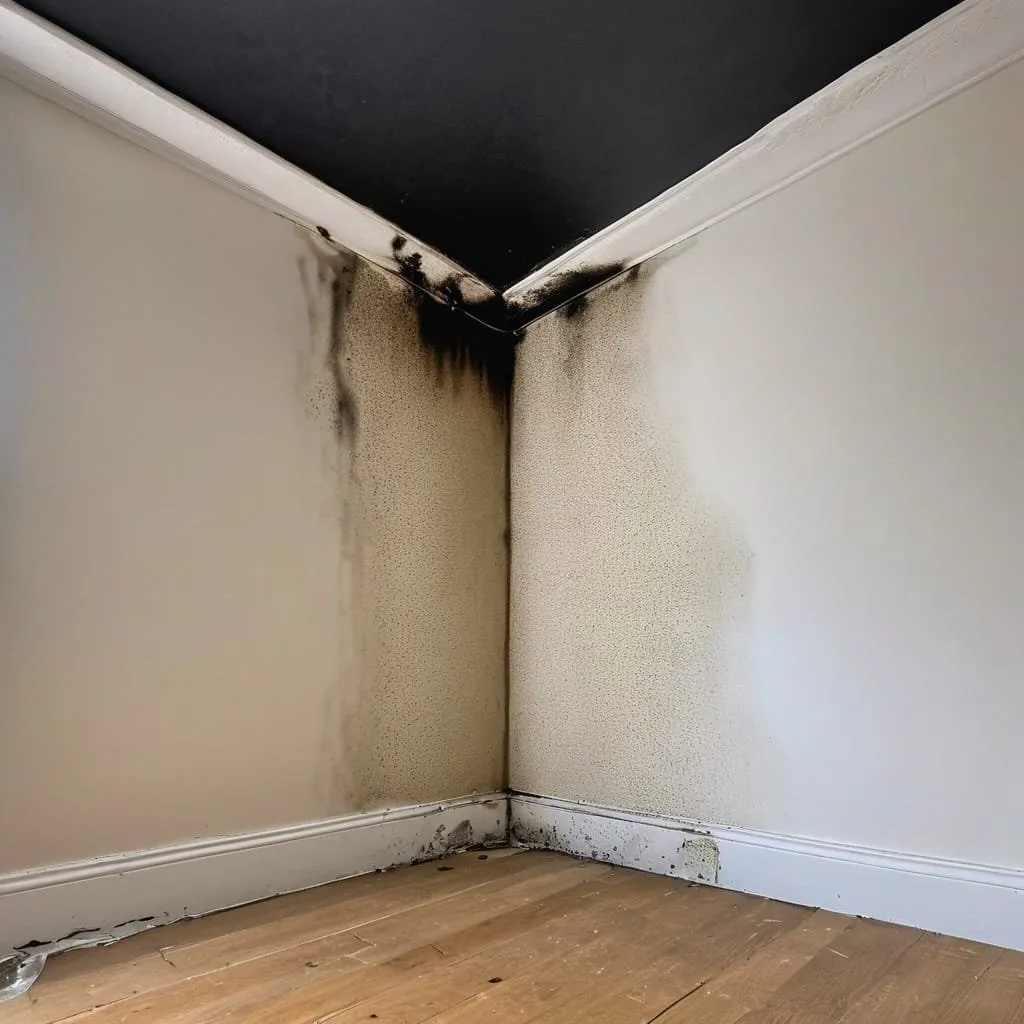
At a corner, mould can affect two walls and sometimes the ceiling as well. Our Stoke Newington service considers that connected pattern, assesses the accessible finishes and relevant moisture evidence, then explains suitable remediation and the practical next steps arising from the findings.
The shape of the patch helps us decide what to investigate.
- Review connected corner surfaces
- Consider material and moisture together
- Explain targeted treatment and next steps
Follow the pattern across the junction
We ask where the growth sits on each adjoining surface and whether it continues above or below the first visible patch. A wider photograph helps show the relationship. During assessment, accessible finishes are considered with the room history. We do not treat a corner location as proof of one moisture cause; its value is in helping us frame the right questions about the material and surrounding conditions.
Examine the finishes on both sides
A painted wall and papered adjoining surface may have different condition or repair needs. Our wall mould treatment service covers the relevant scope discussion. We explain which areas are included and how deterioration affects the proposal. This prevents a small-looking corner enquiry from hiding an important distinction between surface treatment and restoration of damaged material around the junction.
Review the moisture conditions without assumptions
We ask about wet glazing, previous water incidents and changes in heating or ventilation. Where room conditions are relevant, condensation mould treatment offers a suitable route for enquiry. Humidity observations can support the conversation, but separate sources may still need consideration. The recommendation should explain what the evidence supports rather than assume every corner patch can be settled with the same prevention instruction.
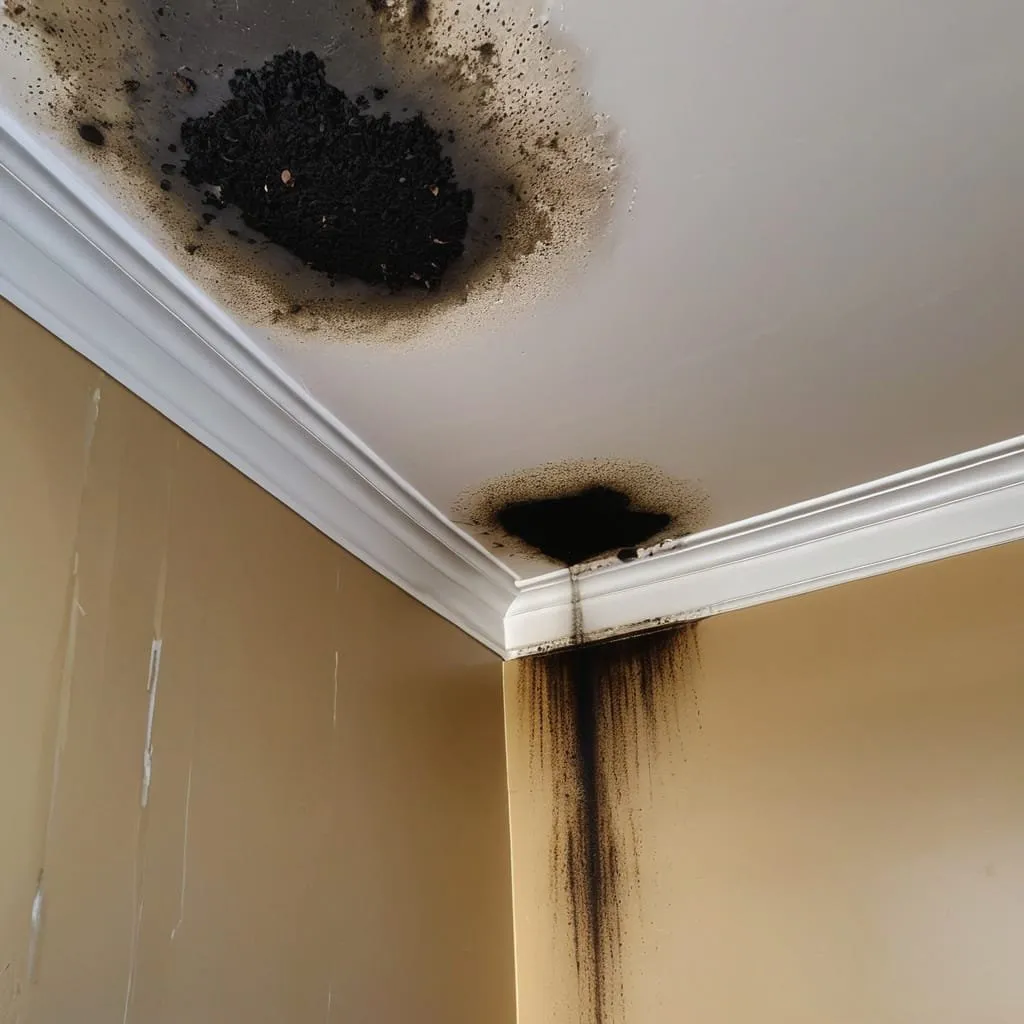
Apply suitable treatment to the defined area
Depending on assessment and material, remediation may include appropriate anti-fungal applications on affected accessible surfaces. Our mould removal service provides background on this stage. We identify the treatment area and explain practical preparation. If another finish, concealed section or moisture repair needs attention, that task should be stated separately instead of being implied within a broad promise about the whole corner.
Give a practical reason for each next step
We can connect surface remediation with related moisture assessment and prevention discussion. We explain why a recommendation fits the findings and where another task is outside our proposal. That clear relationship is what makes the enquiry useful: you can understand the action being suggested rather than receive a list of unrelated services. Where the evidence is incomplete, the unanswered question stays visible for the next decision.
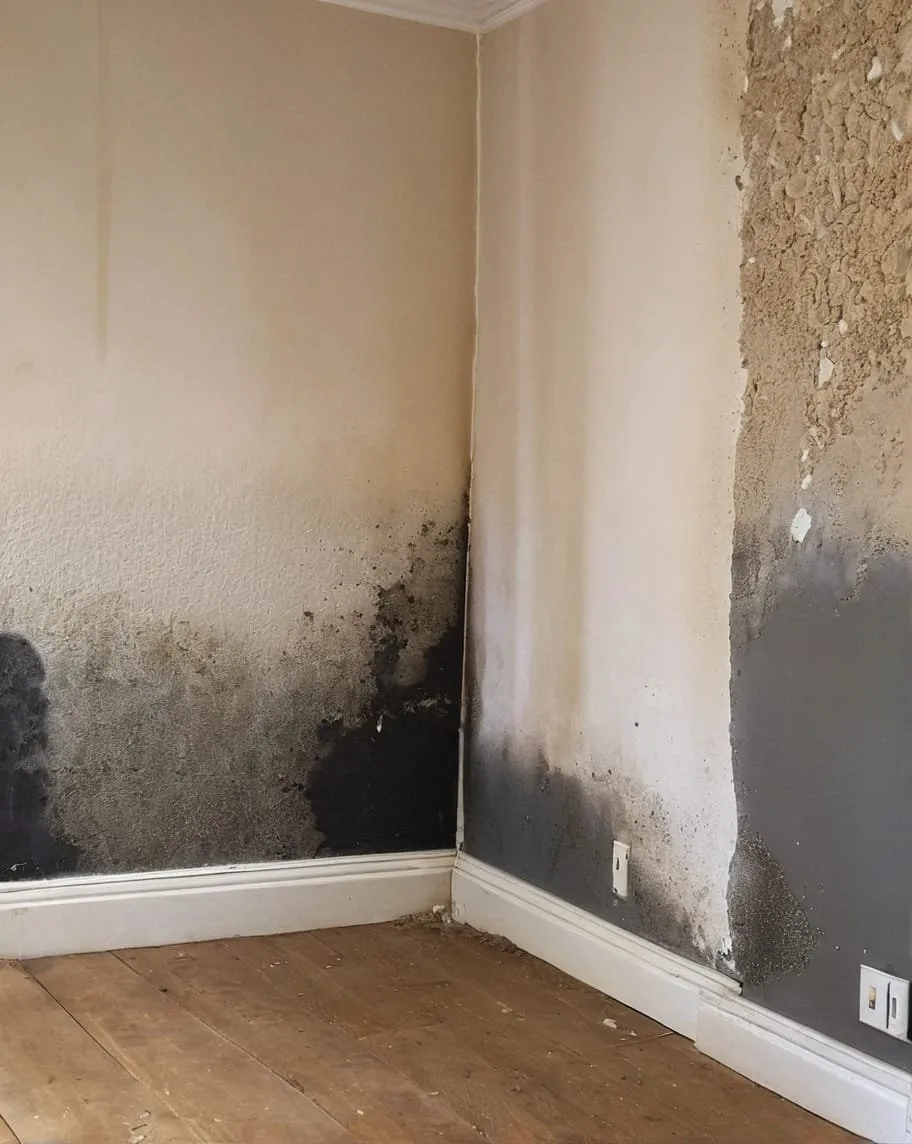
Make the corner easy to identify on follow-up
Keep photographs that show the junction, not just an isolated patch. Record the treatment and dates of separate repairs. If growth returns, note which side changed and whether the pattern matches the earlier area. For a Stoke Newington property, those details help us discuss the present concern against the previous scope, making a later assessment more focused than a general statement that the same room has mould again.
Nearby service enquiries
We also take enquiries in the surrounding areas. Call with the property’s address and affected rooms.
QUESTIONS FOR THIS VISIT
Before making arrangements
Does corner mould always mean condensation?
The position can make room conditions relevant, but it does not confirm the entire source. We consider the accessible pattern, material condition and history before discussing treatment. Known leaks or other changes should also be mentioned so the assessment is not limited by an early assumption.
Can both walls be included in the proposal?
Describe the affected surfaces and how the growth connects. We can discuss an appropriate scope, considering their finishes and access. The proposal should identify both areas where included, rather than leave you to assume that a corner description automatically covers every adjoining wall or ceiling.
What if the corner is behind furniture?
Explain the arrangement and what can be seen safely. We discuss preparation and reachable areas before the visit. An inaccessible section remains an access limit, and should not be described as inspected or treated merely because the visible portion lies at the same junction.
Will suitable treatment remove the need for repairs?
Remediation addresses the agreed mould concern, including appropriate applications where relevant. A damaged finish or continuing moisture source can require a separate task. We explain that distinction so the surface treatment is not mistaken for repairing every condition that contributed to the marks.
Which photographs make a corner enquiry useful?
Include a view showing both walls and the nearby ceiling or floor where practical. A close image can show appearance, but the wider view gives position and access context. Dates and relevant room changes help us understand the pattern without asking you for a technical diagnosis.
Show how the affected surfaces meet
For a Stoke Newington enquiry, describe the corner and the finishes on either side. We can discuss material assessment, appropriate treatment and the relevant moisture next steps, with practical preparation and the proposed scope explained before work is arranged.