
LONDON PROPERTY CARE
Mould Remediation Islington
A managed property needs findings that can turn into practical action. Our Islington service assesses accessible mould and moisture concerns, explains appropriate treatment and keeps the approval, reporting and repair contacts clear so the proposed work can be coordinated around the actual rooms.
The scope is written for the property task being arranged.
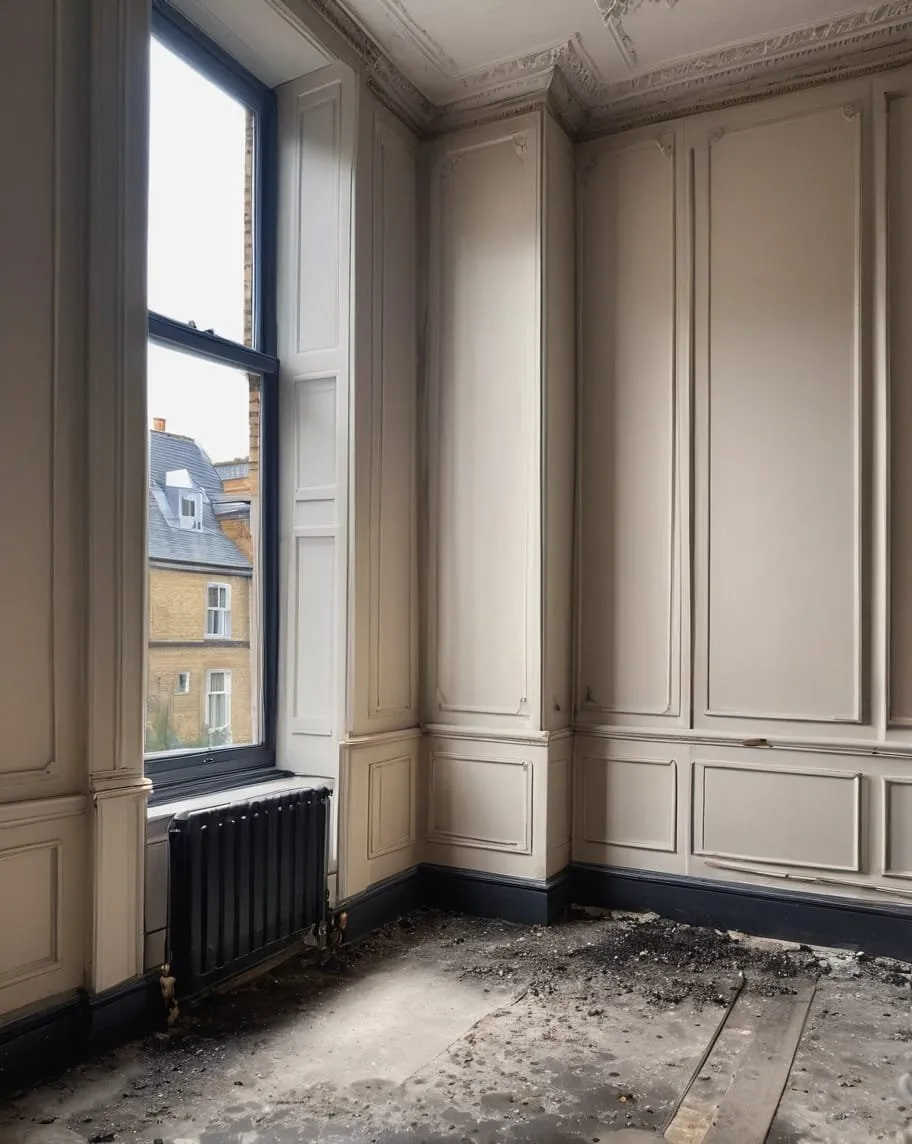
- Define the maintenance decision needed
- Explain treatment areas and findings
- Connect the relevant access contacts
Start from the decision the manager needs to make
We ask whether the enquiry concerns removal, moisture investigation or information for arranging repairs. A manager may need several things, but their purpose should be explicit. We establish the affected rooms and intended outcome before suggesting a service. This helps us identify which rooms and surfaces need checking and what decision the findings should support.
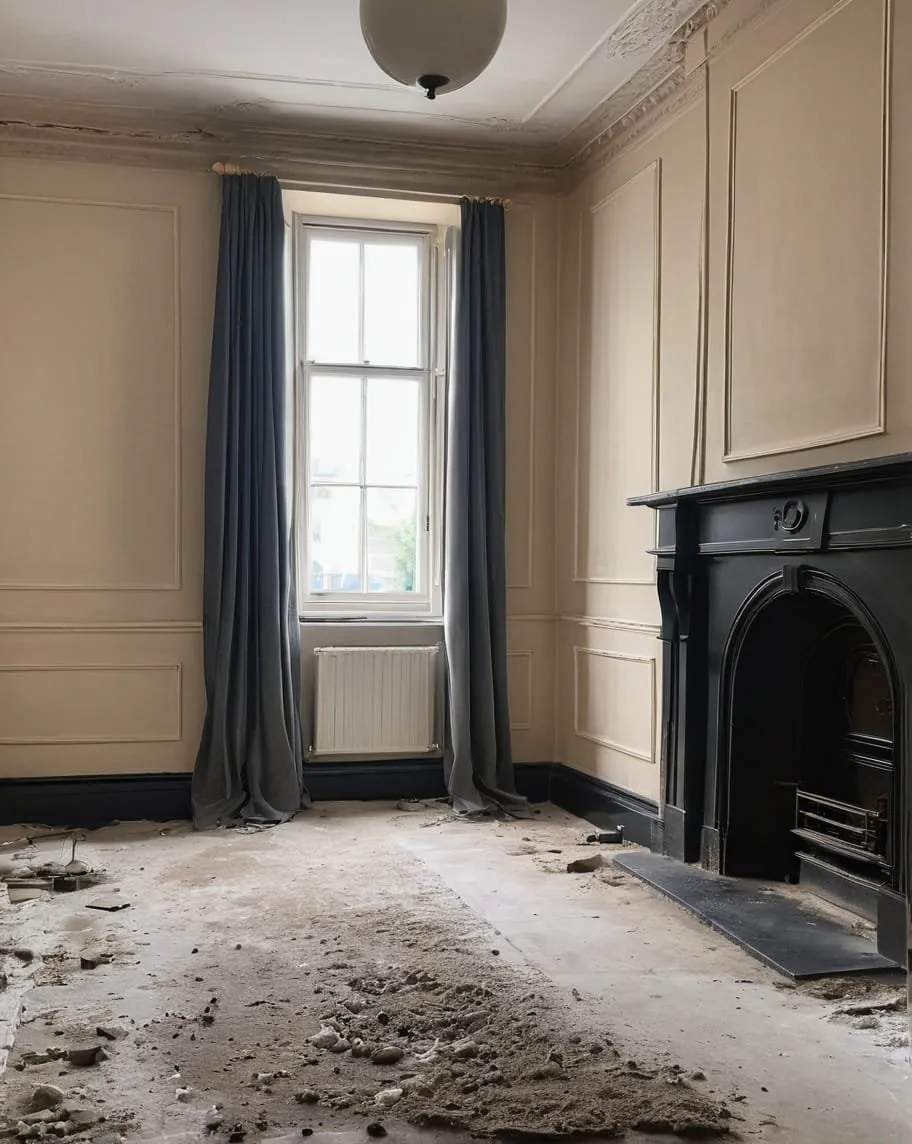
Provide a defined surface treatment proposal
Following assessment, suitable remediation may include anti-fungal applications to the agreed affected surfaces. Our mould removal service covers that discussion. We identify material condition, included areas and any connected restoration outside the work. A precise proposal lets the approving person understand what the resident should expect, rather than promise a complete refurbishment when only treatment has been arranged.
When records describe different problems
A maintenance note may say that a leak was repaired, while the resident reports that the patch still grows. We keep those two statements separate. Tell us when the repair happened, which wall is affected and what changed afterwards. We use the accessible surface condition and moisture history to explain whether the next enquiry concerns remaining mould, damaged material or an unresolved moisture question. The resulting proposal should say which surfaces we would treat and which question still needs a repair contractor. Our landlord assessment service offers a route for discussing written requirements.
Make practical responsibilities visible
We establish who can provide entry, who can answer the room-history questions and who approves work. These may be different people. Tell us about unavailable rooms or shared spaces needing permission so the scope can reflect them. Our role is to connect the relevant findings with the proposed service; another trade or manager may still need to arrange separate repairs. Keeping those tasks visible supports a realistic maintenance plan.
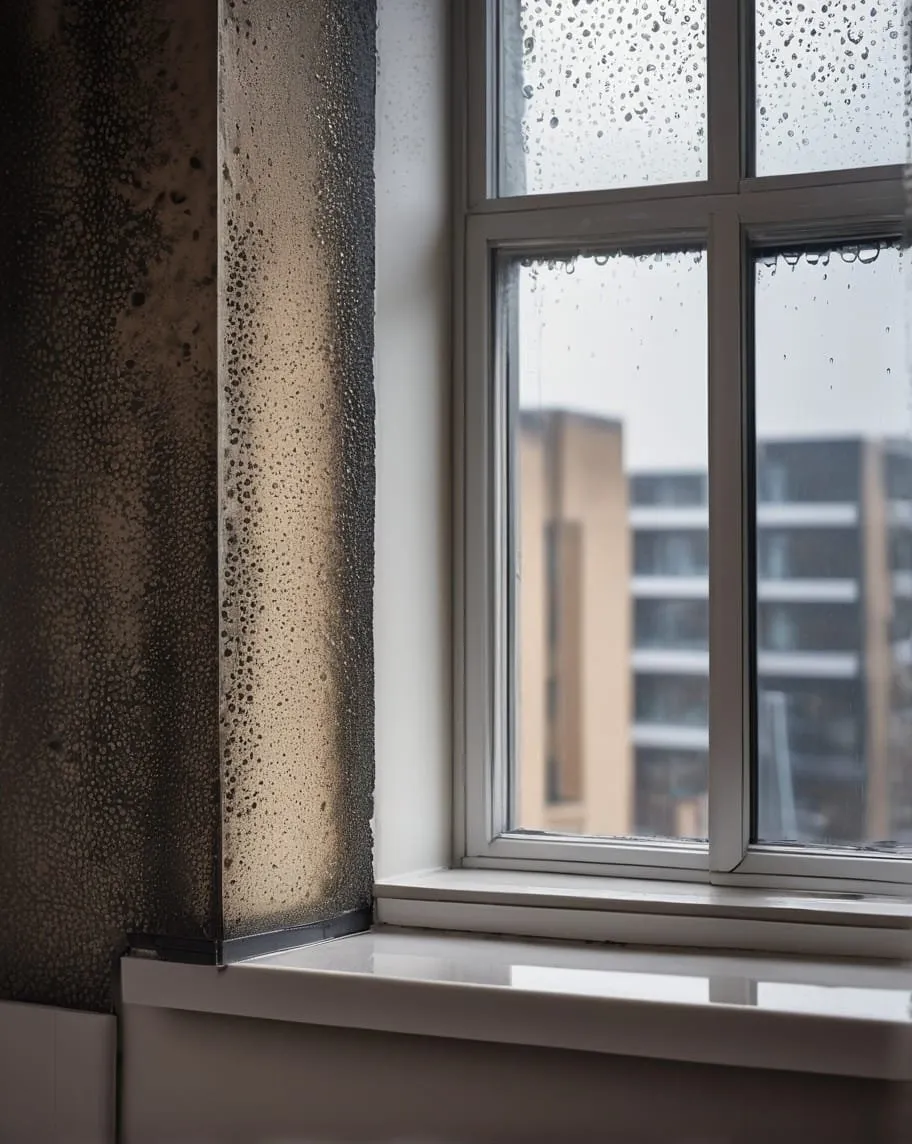
Talk through the property concern
Assess the accessible moisture evidence
Where relevant, we consider moisture readings, visible patterns and humidity or ventilation questions alongside the history. Our moisture inspection service is discussed when the source needs closer attention. We state what can be assessed and what remains outside the available access. That helps the manager understand when a separate contact or investigation is needed before a repair decision can be settled.
Send the next contractor a specific property question
When another repair is needed, a useful instruction identifies the room and the question that remains. We explain the observations behind our recommendation so you can pass on more than a general request to deal with damp. The next task might concern a reported leak repair that has not been confirmed, access to a connected space, or restoration of a deteriorating finish. Each asks a different person to check or arrange something specific.
Keep that instruction separate from approval of the mould treatment. The proposed surface work addresses the areas we have identified; a further investigation needs to answer its own question. This distinction helps a manager coordinate appointments without one contractor assuming another has completed an unresolved task. Include the relevant photographs, dates and contact details when passing the information on, and retain the response with the room record so later decisions can refer to what was actually checked or repaired.
QUESTIONS FOR THIS VISIT
Before making arrangements
Can one person approve work while another attends?
Yes, provided the contacts and arrangements are clear. Tell us who provides entry, who knows the property history and who receives the proposal. Establishing those roles helps the visit address the intended question without delaying decisions because the relevant person was not identified.
Can I send the maintenance log before the appointment?
Discuss the available records during the enquiry. Dates, completed repairs and outstanding recommendations can help define the assessment. Keep the information tied to the correct rooms and address so the current concern is not confused with similar work elsewhere in a portfolio.
Will the scope cover the whole managed building?
The areas included need agreement. An enquiry for one home or room does not automatically include shared spaces and separate dwellings. We explain accessible areas and relevant limits so the proposal accurately reflects the property task you are arranging.
What if the resident and repair record disagree?
Provide both accounts with their dates and context. We consider the current evidence without silently treating one description as certain. The difference may identify a question that needs assessment, particularly where work was reported as complete but the surface condition has continued to change.
Why include prevention advice in the maintenance brief?
It connects surface treatment with the relevant conditions found during assessment. Humidity or ventilation considerations may be appropriate, while a separate defect still needs repair. We explain which recommendation applies so the manager can coordinate practical tasks rather than receive a general instruction without context.
Nearby service enquiries
We also take enquiries in the surrounding areas. Call with the property’s address and affected rooms.
Turn the enquiry into a usable property task
Contact us about the Islington address with the affected rooms and intended reporting outcome. We can discuss assessment and appropriate remediation, then explain the proposal for the people arranging access, approving work and coordinating any separate moisture or material repairs.