
LONDON PROPERTY CARE
Mould Remediation Bayswater
An affected room may be only one part of a connected building. For Bayswater enquiries, we assess the accessible surfaces, discuss shared or adjoining areas and explain how those access boundaries affect the moisture investigation and proposed remediation.
Our scope makes inspection boundaries understandable.
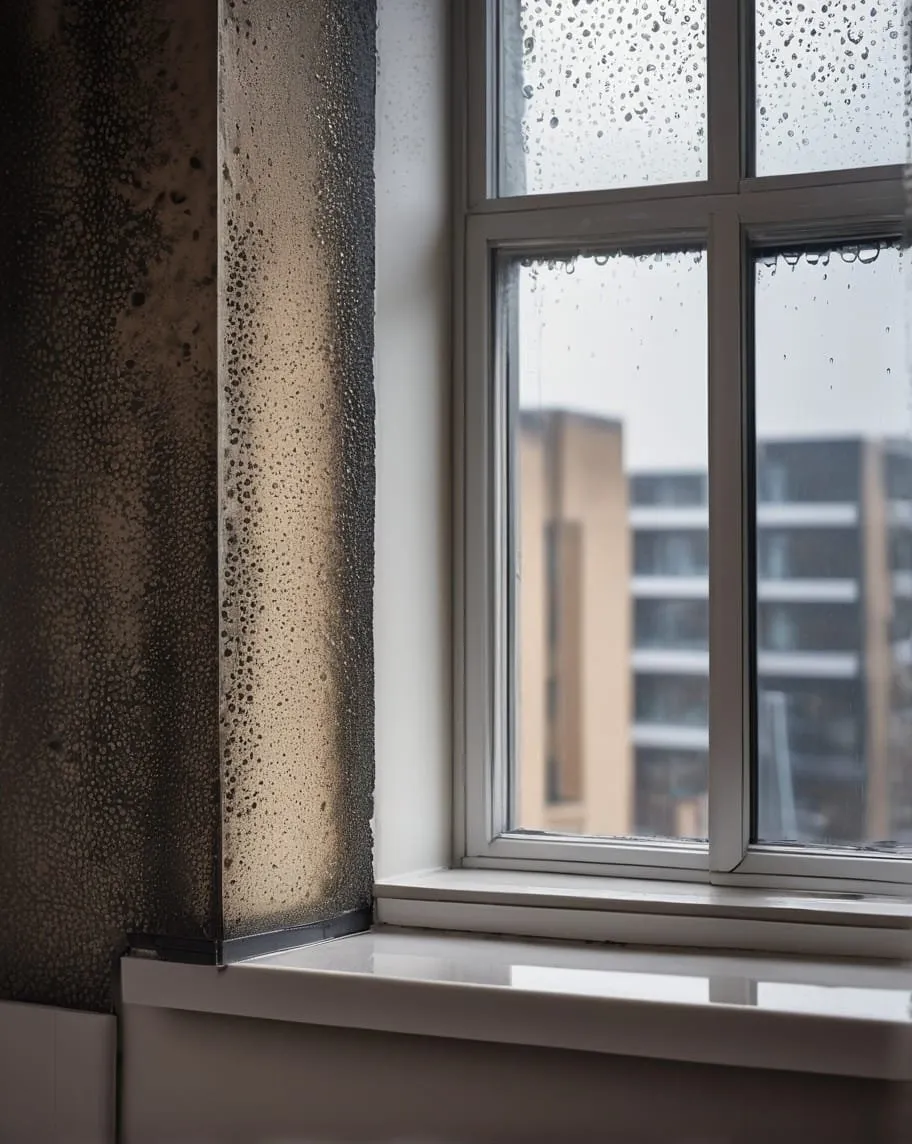
- Clarify connected-space access
- Assess the surfaces available to inspect
- Explain what requires another contact
Locate the concern within the building
We ask which floor and room are affected, what lies beside or above them and whether another space shows related marks. These details help us discuss the enquiry without assuming the entire building is accessible. A Bayswater address may include separate flats or shared areas, but we do not infer that arrangement from the district alone. Explain the actual layout and who controls entry to the relevant spaces.
Explain what the accessible rooms can show
We consider the visible growth and affected finish alongside the room history. Where moisture inspection is appropriate, the findings relate to the surfaces and areas available to assess. If another space may be relevant but cannot be entered, we identify that remaining question. You can then discuss the necessary permission or repair contact without mistaking treatment of the visible wall for an assessment of the whole connected building. Our moisture inspection service is relevant when you need to discuss that assessment.
Coordinate permission before expanding the visit
Tell us whether a managing agent, neighbour or other contact needs to approve entry. We can discuss the intended scope against the access that can actually be arranged. A visit should not be described as assessing another home simply because its position may be relevant. Where permission is unavailable, we consider the accessible areas and make the outstanding limitation clear, rather than disguising it within a broad treatment description.
Treat the agreed room on its own condition
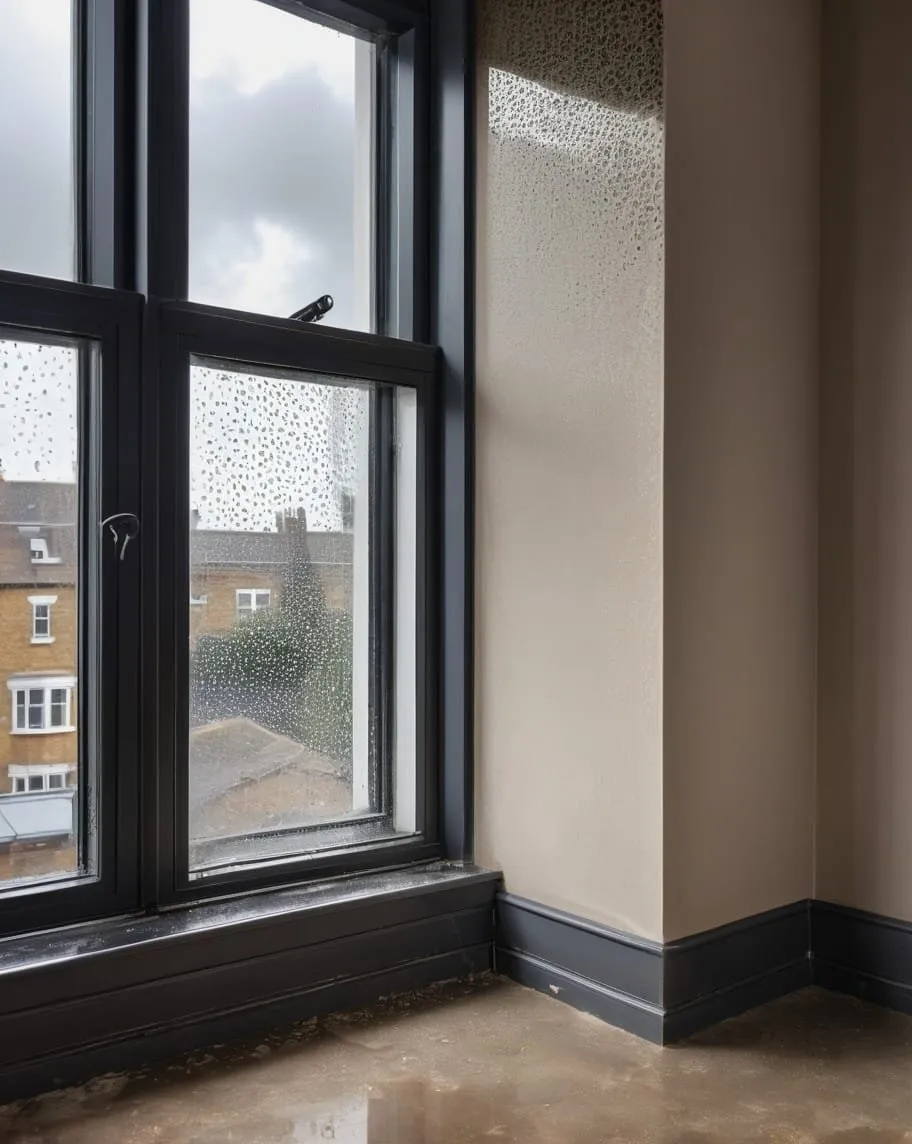
Remediation concerns the affected materials included in the proposal. We explain how finishes, visible growth and surface damage influence that scope. Our black mould service provides background on treatment decisions. If an adjoining repair remains unresolved, it needs to stay part of the maintenance discussion. Surface work in one room cannot be presented as completing a task outside the areas included.
On the surfaces included in the scope, treatment may involve appropriate anti-fungal applications following assessment of the materials. We explain their intended purpose and separate any continuing moisture source in a connected space. That gives the person coordinating maintenance a defined surface task while retaining the access question that belongs elsewhere in the building.
Give shared maintenance a usable brief
Where a rental or managed property needs written information, we discuss its purpose before the appointment. Our landlord assessment reporting can support that enquiry. Identify the reader and decision the findings need to inform. We focus on observations, scope and recommended action, keeping separate permissions and repair responsibilities visible so a manager can coordinate the appropriate people around the actual concern.
Explain why a joined-up conversation matters
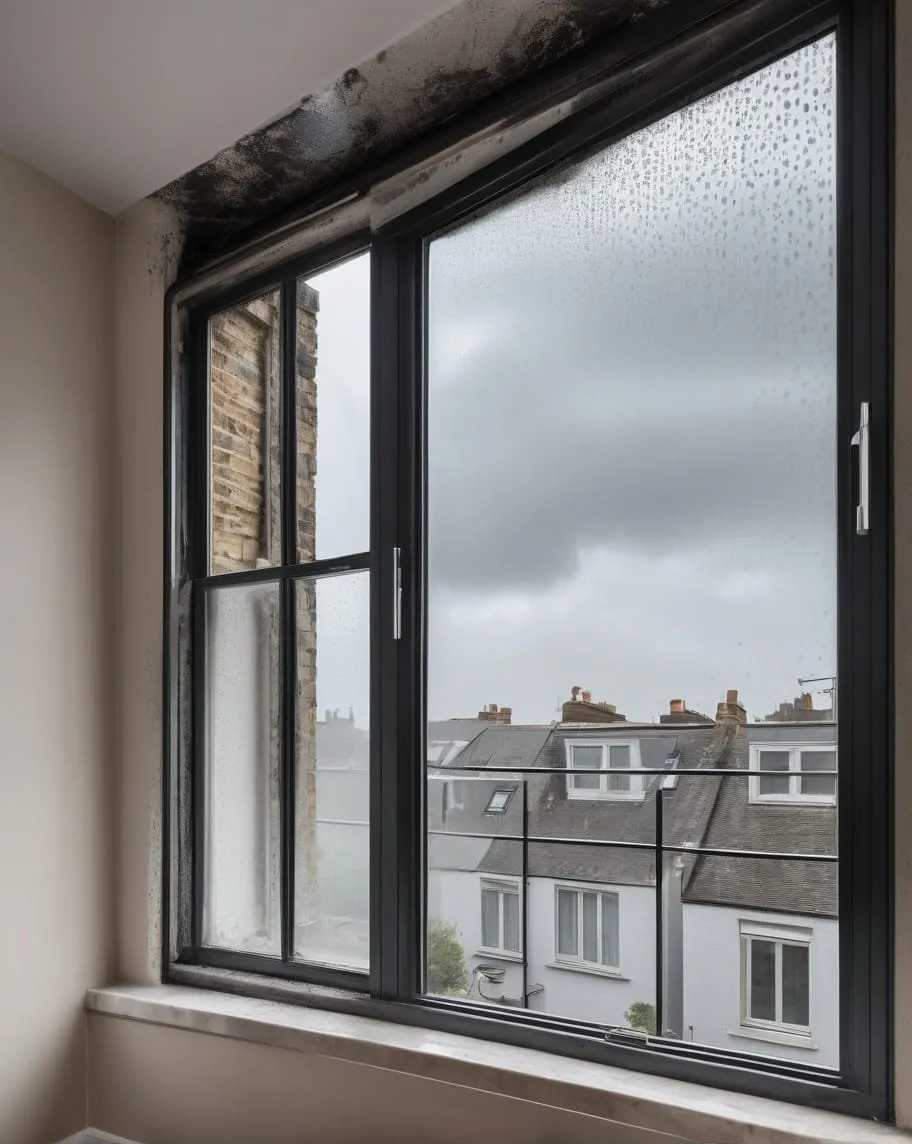
We can assess the accessible moisture concern, recommend treatment for affected surfaces and explain relevant prevention advice. That helps connect the room findings with the tasks that need coordination. We explain what we propose and why, including the point where another contact or trade needs to act. Keep these details with the property record so a future Bayswater visit can address what changed rather than repeat questions already answered.
Nearby service enquiries
We also take enquiries in the surrounding areas. Call with the property’s address and affected rooms.
QUESTIONS FOR THIS VISIT
Before making arrangements
Do you need access to the flat above?
Describe the concern and the available evidence first. Additional access may be relevant to an investigation, but it needs permission and an agreed scope. We do not assume that another resident’s home is included in a visit to your own rooms.
Can a caretaker meet you instead of the resident?
Tell us who can provide entry and who knows the moisture history. A caretaker may be able to arrange access while someone else supplies observations or approves the work. We establish those roles in advance so important information is not lost at the appointment.
Will treating my wall resolve a shared-building defect?
Treatment addresses the surfaces within the agreed proposal. A defect elsewhere may need a separate repair or investigation. We explain that connection where relevant so remediation does not become mistaken for completing all work across the shared building.
What happens when a relevant space is locked?
We discuss the limitation and the areas that can be assessed. Where the locked space matters to the unanswered question, that should remain clear in the findings or proposal. Another visit or contact may be needed once permission can be arranged.
Can you report observations to a managing agent?
Explain the intended reporting arrangement and what decision the information will support. The service and written scope should be agreed before booking. We can discuss the findings for the accessible areas without presenting them as a complete assessment of every connected property.
Make the access boundary part of the enquiry
Call with the Bayswater room details and any shared-area contacts. We can discuss an assessment that reflects the spaces available, explain the proposed remediation and identify the repair or permission questions that need coordination beyond the affected surface.