
LONDON PROPERTY CARE
Mould Remediation Acton
Mould beside a window can spread across several different finishes. In Acton, we consider the glazing area, reveals and adjoining wall alongside the room history, then discuss treatment and the moisture questions that should accompany it.
A familiar location does not replace an assessment.
- Review window and reveal patterns
- Consider adjoining wall materials
- Connect treatment with moisture evidence
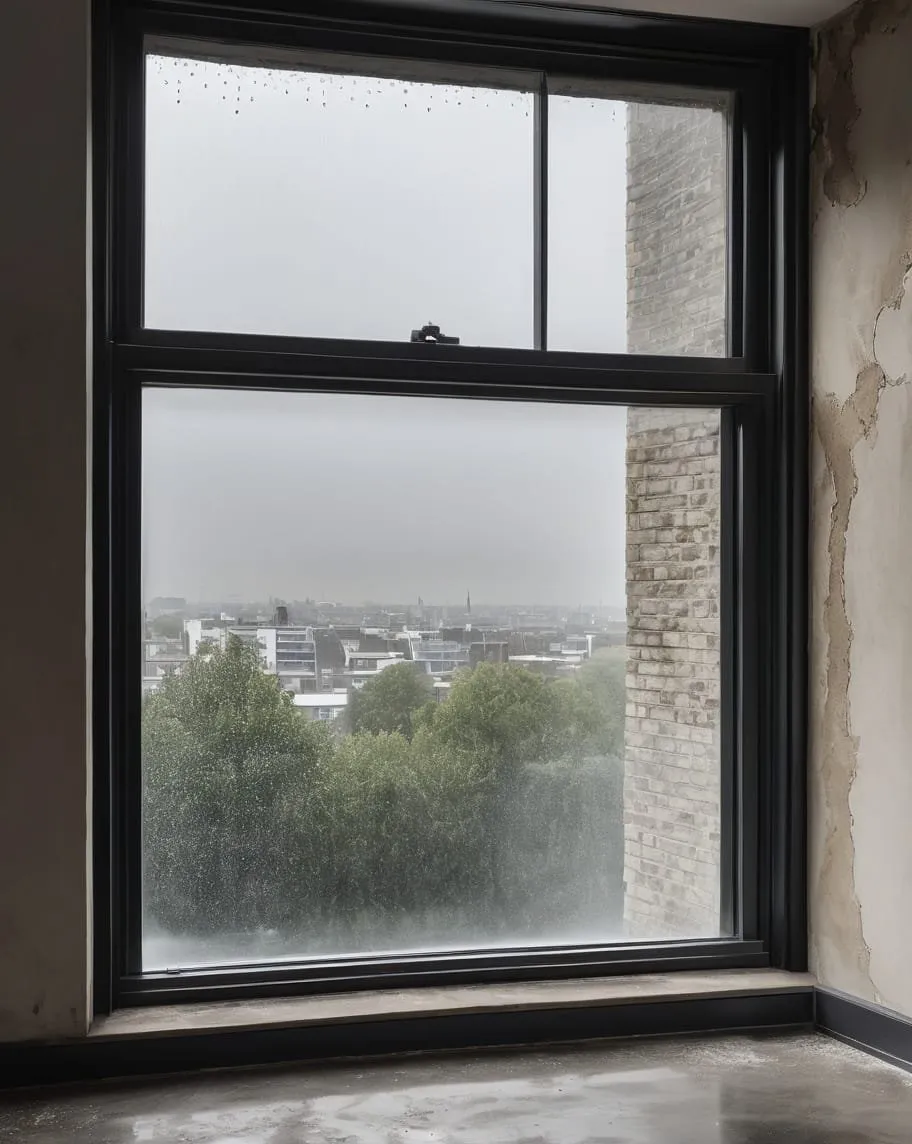
Look beyond the wet pane
We ask whether the growth is on a frame, seal, reveal or the wall beside it. Each position adds information and may involve a different material. Tell us when glazing is wet and whether the marks change through the year. We use these observations to frame the enquiry, without deciding that a wet window proves the cause of every patch in the room.
Assess the surrounding finish
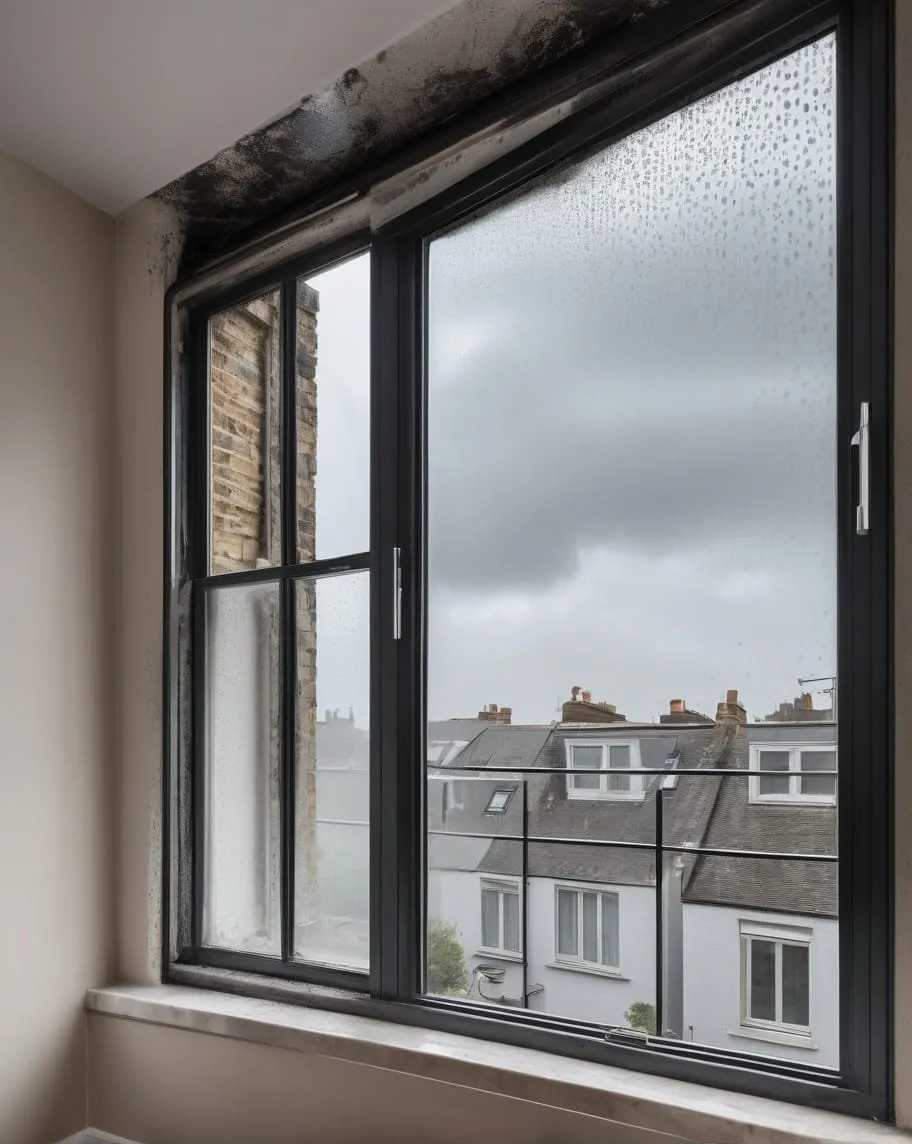
A painted reveal, deteriorating seal and covered wall need their condition considered separately. We discuss which accessible surfaces are affected and whether the growth continues beyond the immediate window area. Our window mould treatment service gives a focused route for this concern. The proposed work should identify the actual surfaces, rather than use “window treatment” as a description for every nearby task.
Put condensation into the property context
When room moisture and surface conditions appear relevant, we explain how the condensation question relates to treatment. Our condensation service considers the wider concern instead of stopping at a wiped pane. We also ask about previous leaks and repair history. Those details matter because a window can be the visible location of growth while another moisture issue still needs investigation.
Keep repair questions distinct
Faulty components, damaged finishes or water entering around an opening may require a separate repair discussion. We describe where remediation fits and identify questions outside the proposed surface treatment. Our penetrating damp inspection information is relevant where water entry needs consideration. We do not make an exterior diagnosis from one indoor photograph, particularly where the outside area cannot be inspected within the agreed access.
Explain the treatment decision plainly
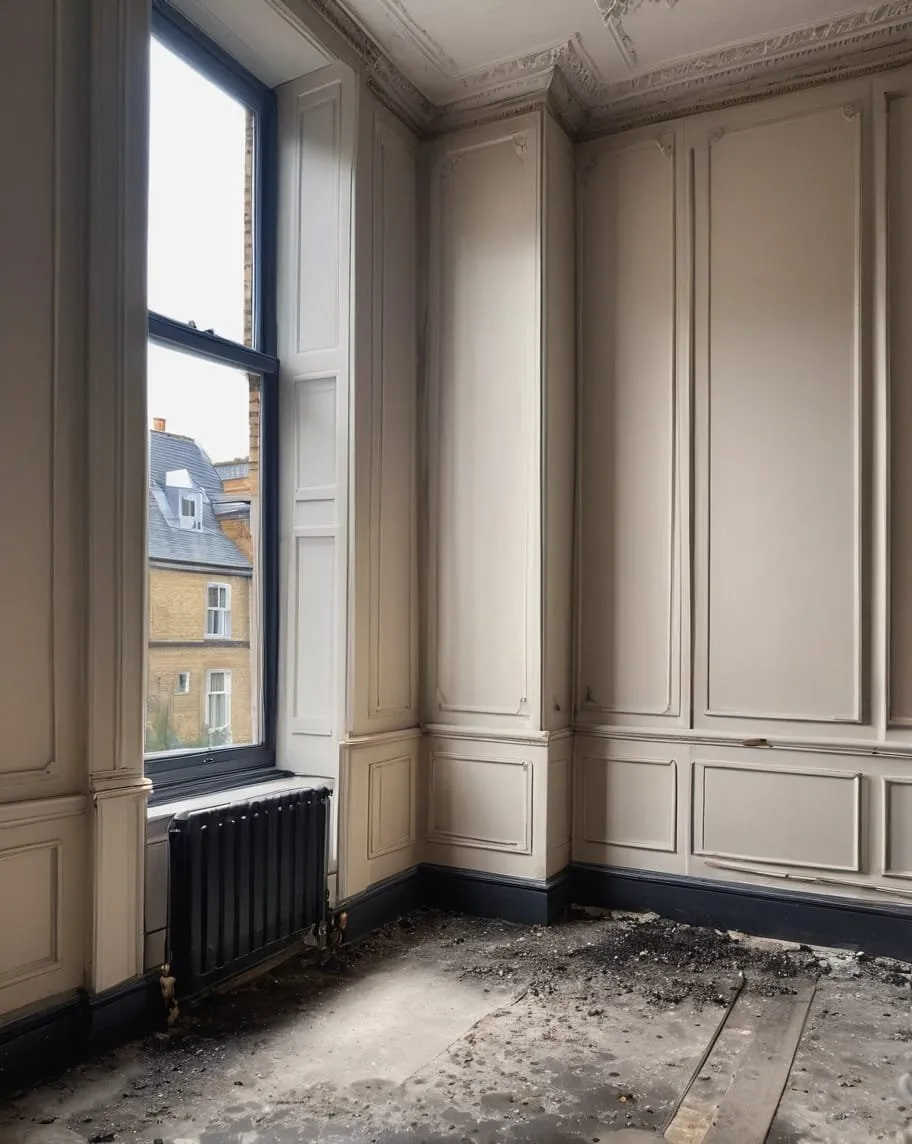
We set out why the accessible areas are included and how their condition affects the proposed scope. If another task is needed before restoration, that should be clear before you arrange painting. Our ability to discuss window treatment, condensation and moisture inspection together helps avoid selecting a service purely from the location of a mark. You receive a property-focused explanation with the remaining uncertainties stated rather than hidden.
Depending on the accessible finish, appropriate anti-fungal applications may form part of remediation around the opening. We assess the affected materials before selecting the proposed treatment. Humidity and ventilation questions can also be reviewed where relevant, linking surface work to room evidence without suggesting that an application repairs the window or exterior itself.
Use later changes to support follow-up
After agreed work, keep track of wet glazing and renewed marks by location. A note distinguishing the frame from the adjoining wall makes a returning concern easier to discuss. Record related repairs as well as treatment. For your Acton property, we want subsequent decisions to refer to the observed pattern and completed scope, rather than repeat a generic instruction that cannot account for changes in the room.
Nearby service enquiries
We also take enquiries in the surrounding areas. Call with the property’s address and affected rooms.
QUESTIONS FOR THIS VISIT
Before making arrangements
Do you treat the wall beside the window as well?
Describe all affected surfaces during the enquiry. The scope may include adjoining areas where appropriate, but it should be agreed explicitly. A service name does not automatically include the entire wall, every frame component or repair to the exterior opening.
Does mould on a reveal mean the window needs replacing?
That conclusion cannot be drawn from the growth alone. We consider the accessible condition and moisture history before discussing the appropriate next step. Window replacement is a separate decision and should not be assumed to follow every mould enquiry.
Why ask when condensation appears?
Timing can help describe room conditions and how the concern changes. It is background for assessment rather than proof of one cause. Tell us whether other surfaces are affected and whether rainfall, leaks or recent alterations seem connected as well.
Can you assess a window that is hard to reach?
Explain its height and the access available before arranging a visit. We discuss the practical scope and any limitations. Do not climb or disturb the area merely to provide a closer photograph; safe accessible information is sufficient for an initial enquiry.
What if the glazing is dry but the surround stays marked?
Explain whether the mark is changing and what has been done before. Appearance alone does not establish the current moisture condition. We may need to discuss inspection or the surface history instead of assuming the absence of wet glass settles the question.
Describe which part of the opening is affected
For an Acton enquiry, tell us where growth sits around the window and whether nearby walls show the same pattern. We can discuss the appropriate treatment or inspection route, with the relevant repairs and access questions considered before a scope is agreed.