
LONDON PROPERTY CARE
Mould Remediation Balham
A corner can involve two walls, a ceiling edge and several finishes. We help Balham owners understand which surfaces need assessment, how the treatment scope is chosen and what moisture recommendations should accompany the work.
The proposal identifies the surfaces it covers.
- Assess adjoining surfaces
- Consider each affected finish
- Define the corner treatment scope
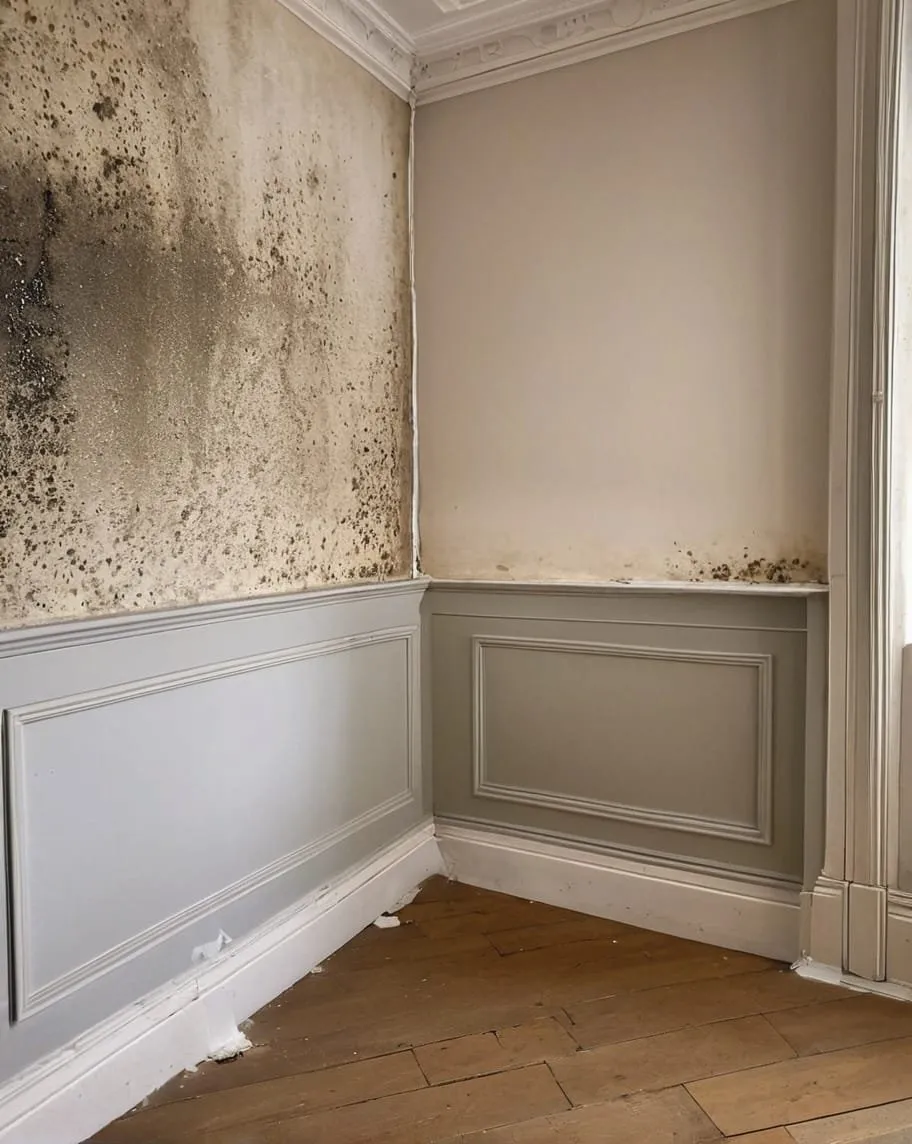
Read the corner as a junction of surfaces
Growth concentrated in a corner can look like one small task until you see where it extends. We ask whether both walls are affected, whether it reaches the ceiling and what materials are present. A wider photograph helps explain those relationships without requiring you to measure or identify the cause yourself.
For Balham enquiries, we discuss the corner in its room context. Nearby glazing, furniture and known water incidents may all be useful background. Their presence does not establish a diagnosis, but it helps define what the assessment should consider before a treatment proposal is agreed.
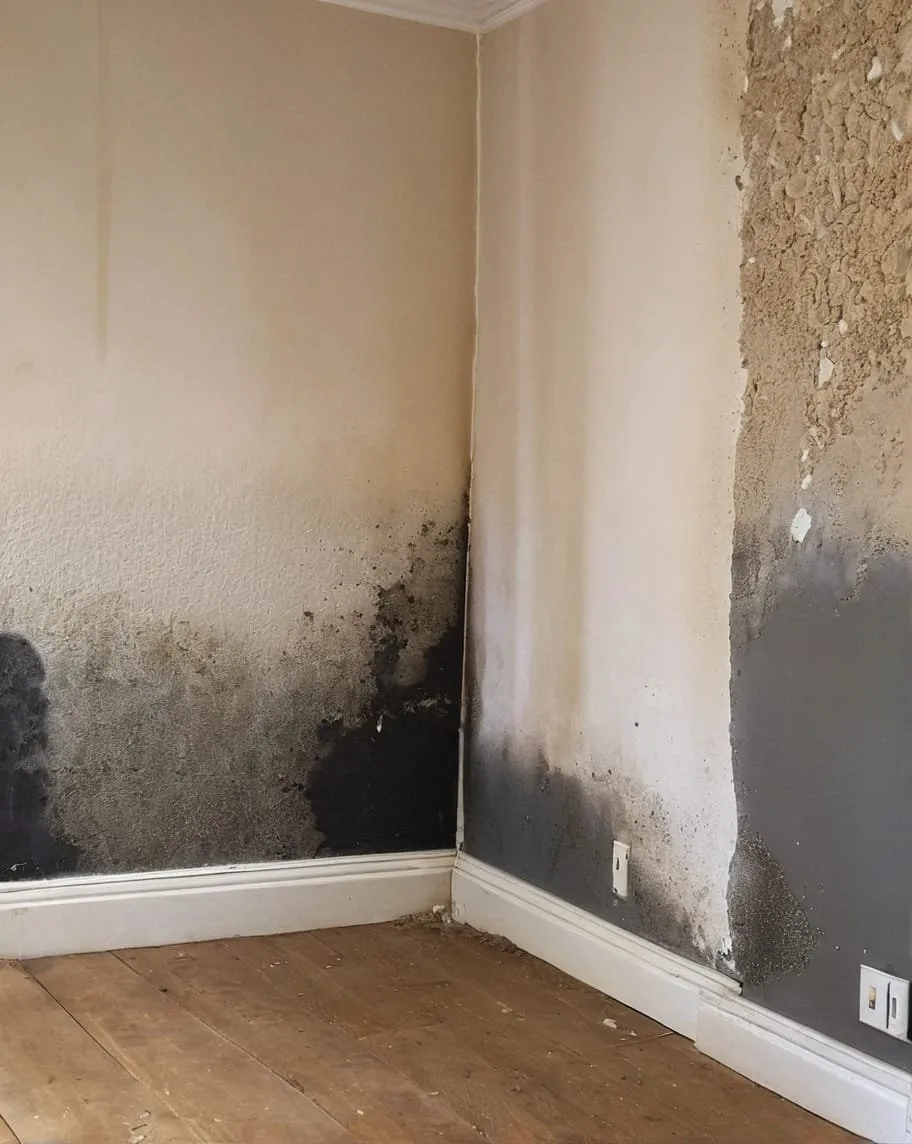
Assess the condition of each included finish
The two sides of a corner may not have the same finish or condition. One might be painted while the other has wallpaper; one may be sound and the other peeling. We consider those differences because the remediation scope should relate to the material rather than assume every adjoining surface can be treated identically.
Our wall mould removal service explains these surface questions. Tell us about loose finishes and any prior repair. Treatment of growth and restoring damaged material need clear boundaries so the proposal remains understandable.
Use moisture evidence to shape the recommendation
We ask when the corner became affected and what changes you have noticed. Wet glazing, a known leak or repeated growth after cleaning may help frame the enquiry. Where the source remains uncertain, an agreed moisture inspection can address the unanswered question.
We assess the accessible areas within the agreed scope and explain limitations. If a fitted item conceals part of the junction, that area should not be described as checked. A recommendation is more useful when it is clear about what evidence supports it.
Apply treatment to the agreed affected surfaces
Our remediation proposal can include appropriate anti-fungal surface applications, selected with the material and assessment in mind. We explain which wall sections or adjoining areas are included. That gives you a defined task to approve instead of a vague promise to deal with the corner.
Where the ceiling edge is affected, our ceiling mould information is relevant too. Access, finish repair and decoration may need their own discussion. The service boundary should follow the actual surfaces proposed for treatment.
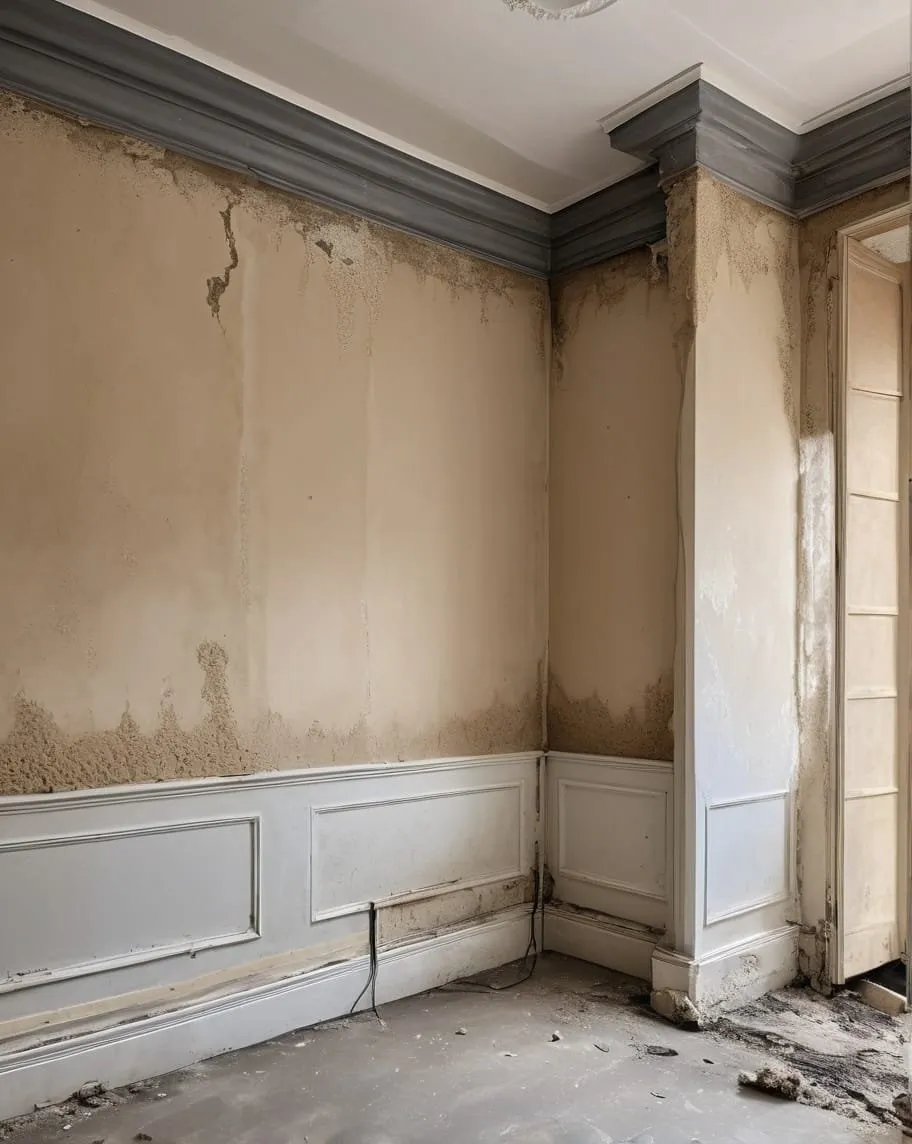
Connect the surface work to room conditions
We discuss ventilation and humidity where they relate to the findings. Practical advice should help you understand the room conditions, not assign blame or promise that a single habit will prevent every future mark. If another repair question remains, we make that clear.
You can keep a simple record afterwards with the treatment date and any changes to the same area. Include separate repair dates as well. That makes a later conversation more useful because it shows what has happened around the corner since the work was agreed.
Why a precise corner scope matters
We combine material assessment, surface remediation and the relevant moisture discussion. That is useful when the visible patch seems small but several surfaces and tasks are involved. You can understand why the proposal includes particular areas and where another job may sit outside it.
Contact us with the room location, affected finishes and any known history. We can discuss suitable preparation and the professional starting point. You do not need to choose a chemical or decide the cause before asking for help with the corner concern.
Nearby service enquiries
We also take enquiries in the surrounding areas. Call with the property’s address and affected rooms.
QUESTIONS FOR THIS VISIT
Before making arrangements
Can one corner involve different treatment questions?
Yes, adjoining surfaces may have different materials and conditions. Describe both walls and any affected ceiling edge. We discuss the included areas so the proposal reflects the junction rather than assume it is one uniform surface.
Should I photograph both sides of the corner?
A wider image is useful for showing how the growth extends and what sits nearby. You can add a close-up, but the room context helps explain the access and surfaces involved without guessing their relationship.
Does a corner mark prove condensation?
The position may be relevant, but it is not a complete diagnosis. We consider reported room conditions, history and accessible evidence. Known incidents or unresolved moisture questions should remain part of the assessment.
Is ceiling-edge growth included automatically?
Tell us it is affected and check the scope. A proposal for a wall should not be assumed to cover every adjoining ceiling surface. Clearly identified areas help you understand and arrange the work.
Why do you ask about old finishes?
Previous decoration or repairs may have changed what is visible. The material condition also influences the treatment and any separate restoration task. That information supports a clearer proposal and avoids treating all surfaces as identical.
Show us how far the corner concern extends
Include both walls and any affected ceiling edge when you contact us. We can discuss an assessment and remediation scope that follows the actual materials involved rather than a close-up of one patch.