
LONDON PROPERTY CARE
Mould Remediation Streatham
Different finishes can make one room a more varied treatment job than it first appears. We help Streatham owners assess the affected materials, understand suitable surface work and distinguish remediation from separate finish repairs.
The proposal follows the surfaces actually involved.
- Identify every affected material
- Choose work from the condition
- Clarify repair and treatment boundaries
List material and condition together
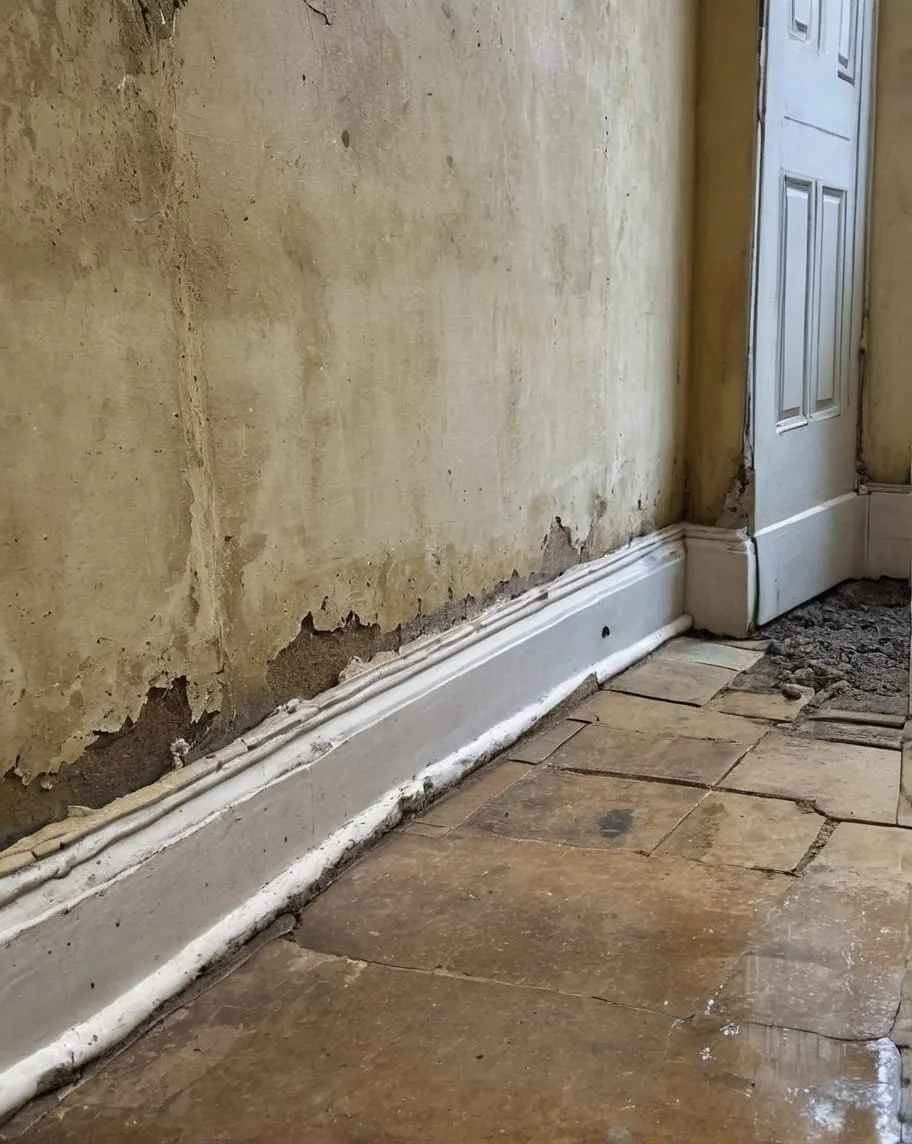
A room may have a painted ceiling, papered walls and timber details, with growth reported in several places. We ask which materials are affected and where the marks extend. That gives the assessment a clearer brief than saying the whole room needs mould removal without identifying the actual surfaces.
Name each affected surface: painted wall, wallpapered wall, ceiling or another material. Say whether its finish is firm, loose, damaged or removed. Include the room and access limit. We use this to discuss assessment and remediation rather than assume identical work everywhere. Mention planned replacement by another contractor separately; specialist material names are unnecessary for the enquiry.
Assess condition as well as material type
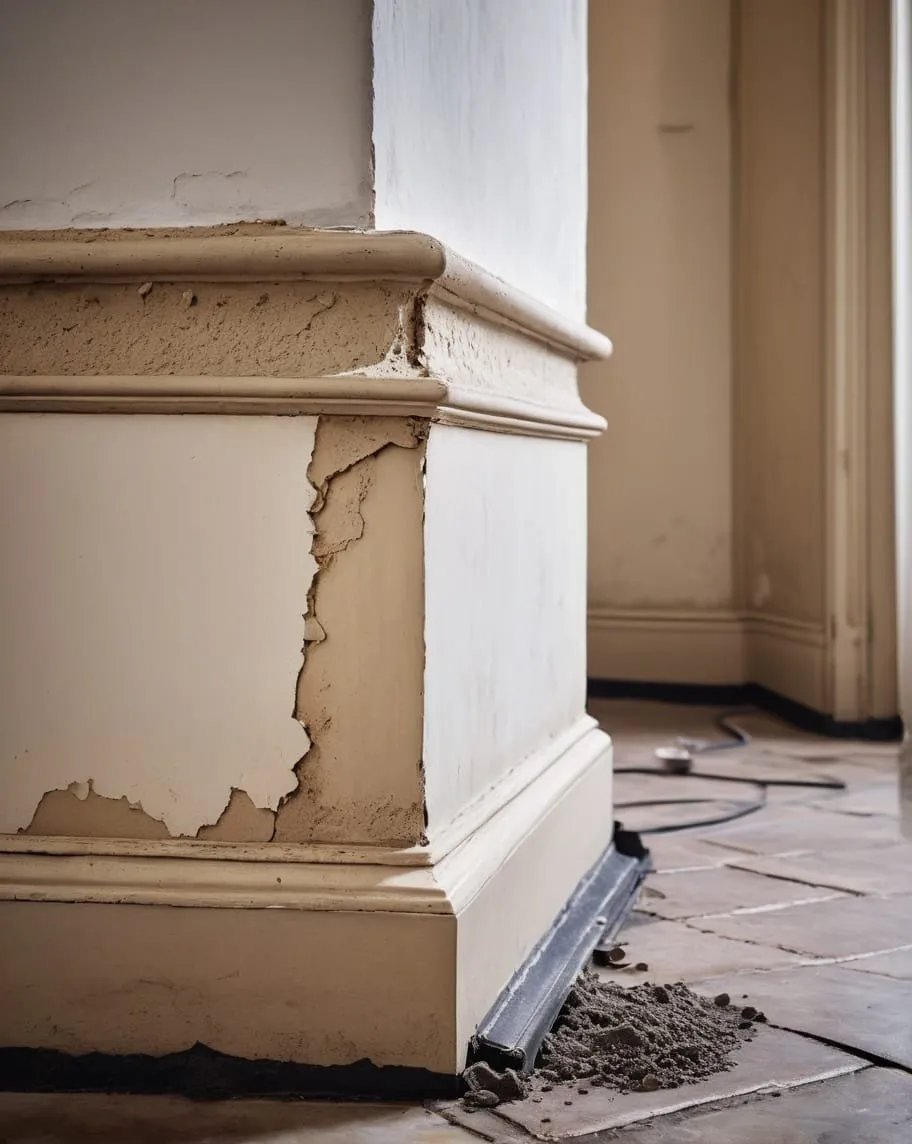
Two painted walls may still present different questions if one is peeling and the other is firm. We consider accessible growth and the condition around it. Loose or damaged finishes may require another task, and those boundaries need explanation before you assume treatment will restore the whole room.
Our wall mould removal service discusses the surface concerns. We identify the proposed areas and practical access. If a fitted item conceals part of the material, the assessment should say what could and could not be checked.
Match remediation to the agreed surfaces
Suitable treatment may include anti-fungal applications selected in relation to the assessment and affected material. We explain the scope so you understand why particular surfaces are included. The aim is a defined professional task, not a blanket instruction to apply the same product everywhere.
Read our mould removal information for the relationship between surface work and the broader concern. Other materials or contents should be raised specifically. A wall-treatment proposal should not be assumed to include furniture, textiles and every finish in the room.
Give overhead surfaces their own place in the plan
Where ceiling growth is involved, tell us about the position and any damage. Practical access and finish restoration may differ from the wall areas. We discuss those details so the proposal accounts for the room accurately rather than treating the ceiling as an automatic extension of a wall job.
Our ceiling treatment service provides further information. Mention known incidents above the room if relevant. We keep the reported history separate from confirmed findings and explain any unanswered question affecting the proposed work.
Connect material treatment with the moisture concern
We ask about recurrence, known leaks and room moisture observations. The different finishes should not distract from why they became affected. Where ventilation or humidity is relevant, we discuss practical recommendations alongside the surface findings. An unclear source may require an agreed inspection purpose before treatment is finalised.
If another contractor is replacing a finish, explain the planned sequence. We can discuss how remediation fits with that work. Clear responsibilities reduce the chance that treatment, repairs and decoration are all assumed to be included in a proposal that only describes one stage.
Why a material-led scope is useful
We turn a broad room concern into identifiable tasks with understandable boundaries. That helps you approve the work, arrange access and plan separate restoration where needed. It also means the moisture conversation remains connected to the actual surfaces rather than a generic room label.
Contact us with photographs showing the materials and a short history. You do not need to choose the treatment method. We can discuss the professional starting point and explain how the proposed work addresses the assessed condition in your room.
QUESTIONS FOR THIS VISIT
Before making arrangements
Can different finishes need different consideration?
Yes. Material and condition influence the proposed surface work and any related repairs. Describe what is affected and whether it is sound, loose or damaged. That helps the scope reflect the room rather than one assumed standard surface.
Does wall treatment include room contents?
Not automatically. Raise concerns about furniture, textiles or other materials separately and check the scope. A proposal should identify the surfaces it addresses so treatment boundaries are understood before agreement.
What if wallpaper has already been removed?
Tell us when it was removed and what was visible before and afterwards. Earlier photographs may provide useful context. We assess the present accessible material while using the history to frame the concern.
Can ceilings be included with walls?
Explain that both are affected and discuss the scope. The ceiling may have different access, finish or history questions. It should be identified explicitly rather than assumed to be included because a wall proposal covers the same room.
Why separate treatment from restoration?
Addressing growth and rebuilding or redecorating a damaged finish are different tasks. Clear boundaries let you arrange the appropriate work and understand the proposal, while keeping any continuing moisture question visible.
Nearby service enquiries
We also take enquiries in the surrounding areas. Call with the property’s address and affected rooms.
Describe the materials in the room
Tell us whether growth affects paint, wallpaper, ceiling surfaces or another material. We can discuss an assessment and treatment proposal that reflects those differences and any relevant moisture history.