
LONDON PROPERTY CARE
Mould Remediation Tooting
If cleaning keeps becoming another temporary job, the next step needs a clearer question. We help Tooting owners assess recurring growth, review the material condition and connect professional treatment with relevant moisture recommendations.
Recurrence is considered alongside the property condition.
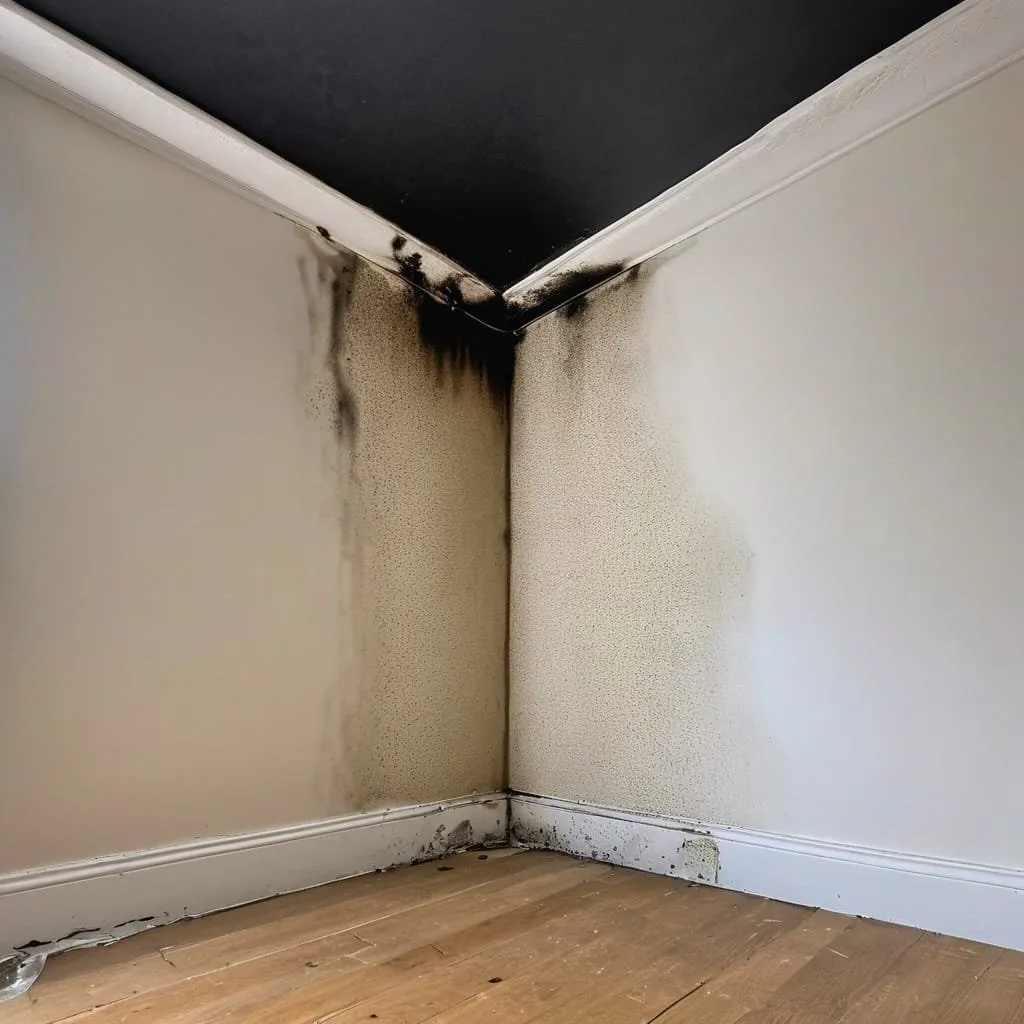
- Review what keeps returning
- Assess the current material
- Explain treatment and moisture advice
Understand what the repeated cleaning has changed
Some owners clean the same patch many times before asking for professional help. We ask whether the growth returns in the same place, spreads to another surface or follows a noticeable change in the room. That helps frame the current concern without assuming the earlier cleaning was a complete treatment plan.
For Tooting enquiries, we also ask what the finish looks like now. Repeated efforts may have changed its appearance, and earlier photographs can provide context. You do not need to identify the product or mould species before we can begin discussing the property.
Inspect the present surface rather than rely on memory
We assess the accessible growth and condition of the material included in the visit. Painted walls, wallpaper and other finishes can raise different treatment questions. If the surface has become loose or damaged, repair or replacement may need separate consideration alongside remediation.
Our wall mould treatment information explains why the material matters. We discuss the current condition and proposed areas so you understand what professional work is being suggested, rather than assume another surface clean covers every related task.
Explain the professional treatment approach
Remediation can include appropriate anti-fungal applications on the agreed affected surfaces. The proposal follows assessment and material condition, with the treatment boundary explained before work is agreed. We do not ask you to choose a chemical simply because several household products have already been tried.
The mould removal service addresses visible growth as part of the property concern. It is useful to understand its purpose, especially where another repair or decorative task may be needed. A clear proposal distinguishes those stages.
Investigate why the question remains open
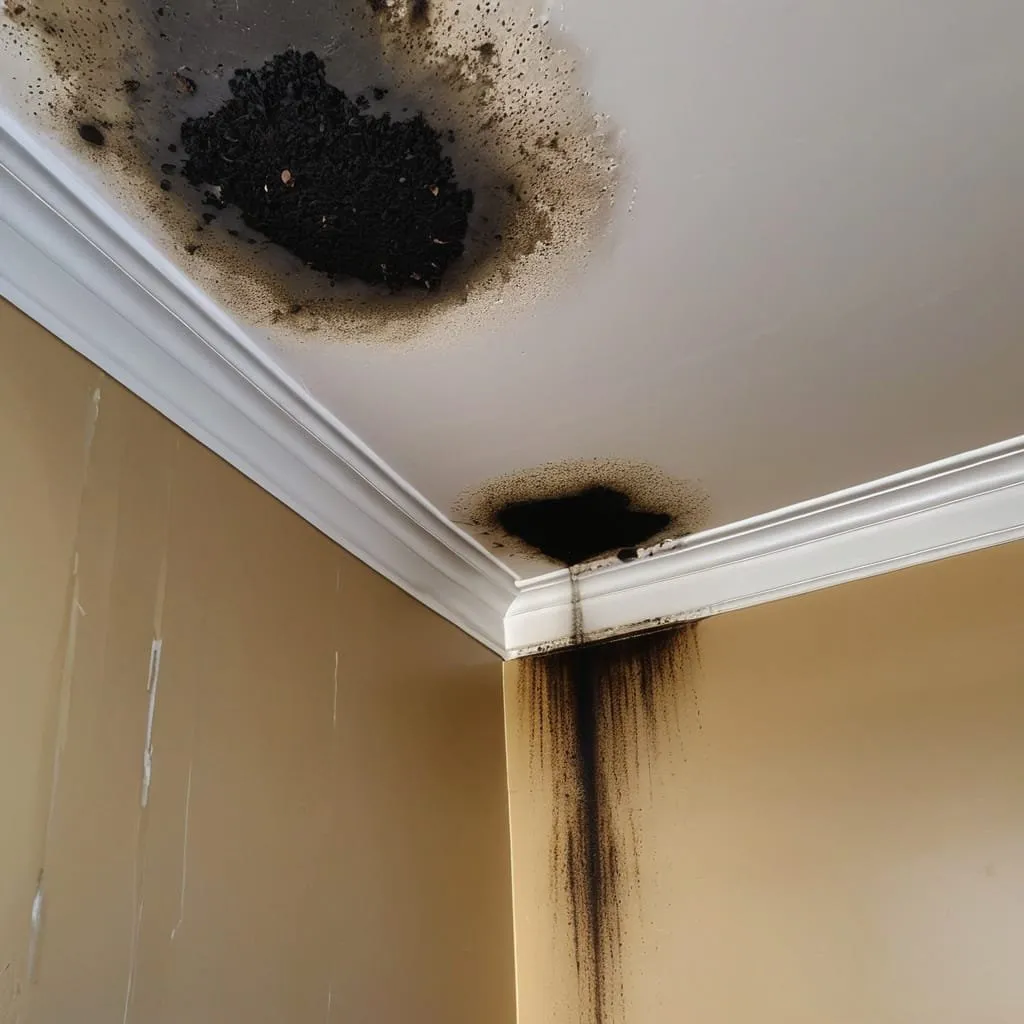
Recurring growth can indicate that the moisture conditions still need attention, but recurrence alone does not identify one cause. We ask about known incidents, wet surfaces and repairs. An agreed damp and moisture inspection can help where the source remains uncertain.
We explain observations and relevant limits instead of treating a familiar pattern as confirmation. That gives the next recommendation a firmer basis. If the history points towards a connected area that cannot be checked, we make that access question clear.
Relate practical advice to the findings
Where ventilation and humidity matter, we discuss them with the room and surface evidence. Advice should be understandable and relevant, rather than an extensive list of habits disconnected from the concern. We explain how a recommendation fits the treatment plan and whether another repair question remains.
Keep dates of work and any renewed growth together afterwards. A simple record can show whether the same surface changed and what other work happened meanwhile. That helps a further enquiry focus on the unanswered question rather than begin with another isolated photograph.
Why our approach changes the conversation
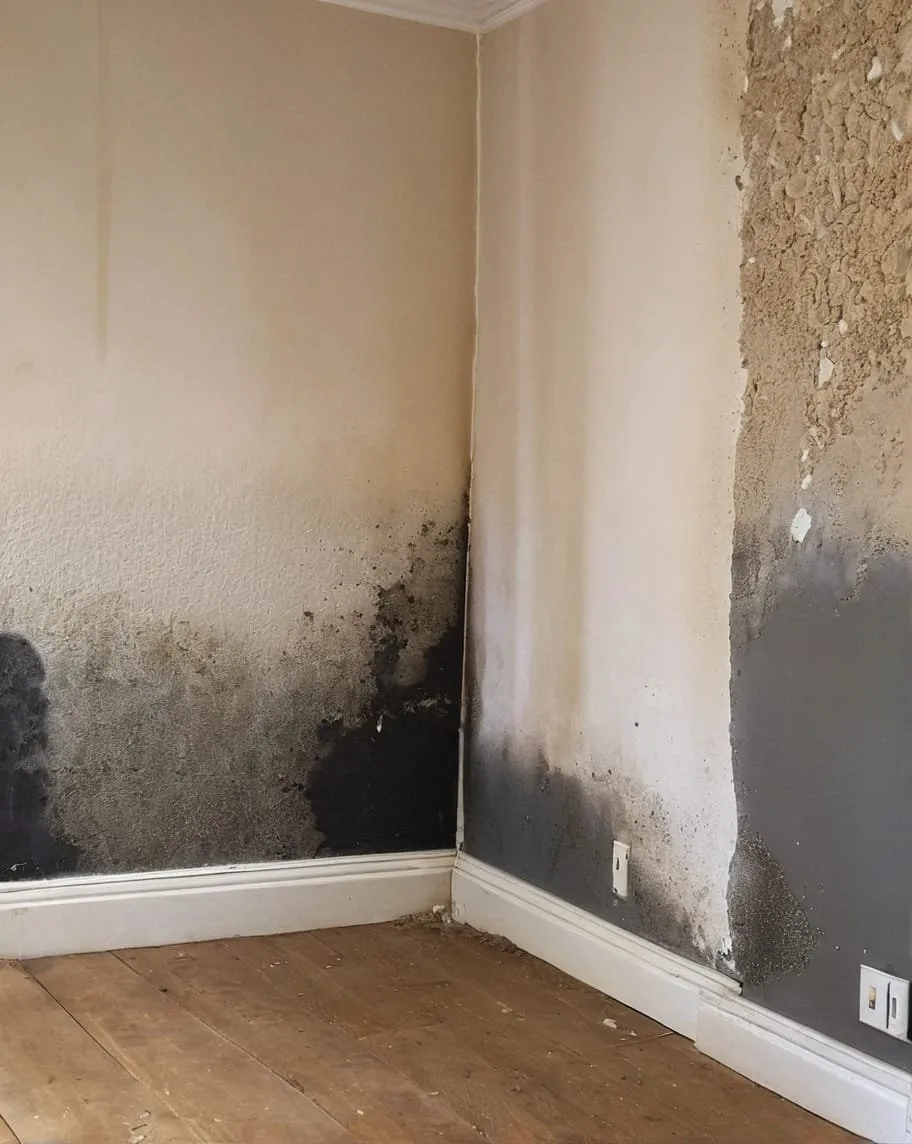
We move the enquiry from repeated cleaning towards a defined assessment and remediation decision. You can understand the material being treated, the professional surface work proposed and the moisture recommendations that accompany it. That is more useful than asking you to try another product without context.
Contact us with the affected room and the history of recurrence. Explain any access limit or planned repair. We can discuss a sensible starting point in plain English, without requiring you to diagnose the building before getting help.
Nearby service enquiries
We also take enquiries in the surrounding areas. Call with the property’s address and affected rooms.
QUESTIONS FOR THIS VISIT
Before making arrangements
Should I list every cleaning product I tried?
Relevant information can help, particularly if the finish has changed. You do not need a perfect record to enquire. Explain the repeated pattern, timing and current surface condition so we can discuss the professional starting point.
Does recurrence mean the mould removal was wrong?
Not necessarily. Continuing moisture, an incomplete scope or a newly affected surface may be relevant. We review the current condition and available history before drawing conclusions about what happened previously.
How is professional treatment chosen?
We consider the assessed surface, material condition and agreed scope. Appropriate anti-fungal applications may form part of remediation. The proposal should explain the work rather than ask you to select a product without understanding the concern.
Can you assess a patch that has just been cleaned?
Explain what was visible and provide earlier photographs if available. We discuss the current condition and history, recognising that cleaning may have changed the evidence. Access and assessment limits should remain clear.
Why discuss moisture when I asked for removal?
Surface growth and the conditions allowing it are connected. We explain that relationship so the treatment decision is informed. An unresolved moisture question may need attention alongside removal rather than another cycle of cleaning the same patch.
Tell us what happens after cleaning
Explain how soon the marks return, where they reappear and any repairs already attempted. We can discuss the assessment and surface treatment without simply repeating the same question each time.