
LONDON PROPERTY CARE
Mould Remediation Crouch End
We explain the work in a way that remains useful after the visit. For Crouch End properties, we assess accessible mould-affected surfaces, discuss appropriate treatment and identify the moisture recommendations or separate tasks that should be kept in the record.
The work record supports a clearer maintenance decision.
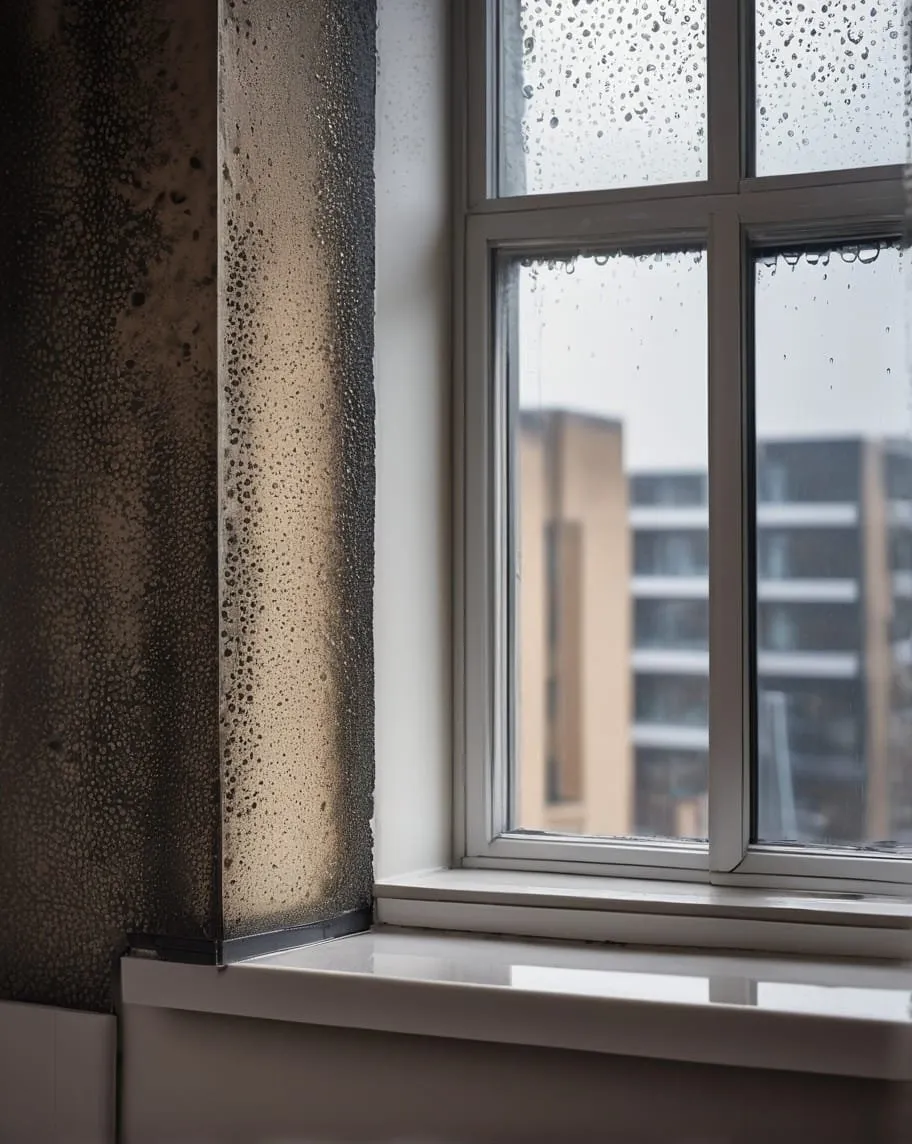
- Understand the surfaces addressed
- Retain relevant maintenance actions
- Record meaningful changes afterwards
We plan the work with the next decision in mind
The immediate aim may be to address visible growth, but the service should also help you understand what comes next. We ask about the room, moisture history and previous work before discussing remediation at a Crouch End property. Tell us whether you need a focused treatment or clarification of a recurring condition. We explain the relevant service and the areas that can be included. This gives the work a defined purpose beyond producing a cleaner photograph. It also helps you retain a useful record, because the surface treatment, assessment question and separate maintenance tasks remain identifiable rather than become one vague account of having the mould dealt with.
We assess the surface and explain its limits
We consider accessible finishes and discuss material condition, including loose decoration or visible damage. Tell us about fixed furniture or any space requiring another person’s permission. Our wall treatment service explains why accessible material and concealed areas need different discussions. We do not claim the whole wall has been assessed when part remains behind a fitting. Where a moisture source is uncertain, moisture inspection can be discussed. An assessment limit belongs in the record because it affects what can reasonably be concluded and what another arrangement may need to address later.
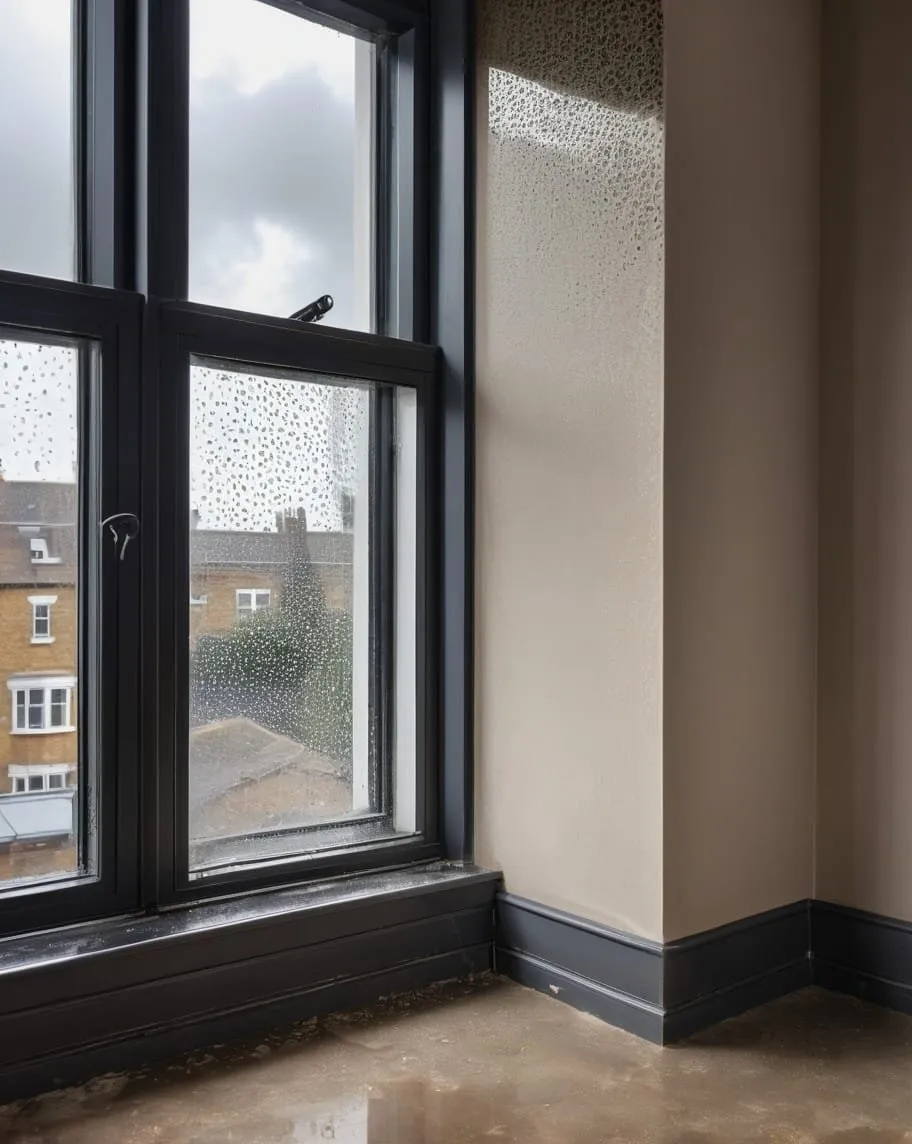
Appropriate applications are part of an explained treatment
We discuss remediation for the agreed affected surfaces, including suitable anti-fungal applications where appropriate to the material and assessment. The mould removal overview explains the relationship between treatment and moisture conditions. You should understand which areas are included and what preparation is relevant. A material repair or redecoration may need a separate decision. We make those boundaries clear before agreement so the completed work can be reviewed against its actual purpose. A treated surface should not be used as evidence that unrelated repairs were completed or that all concealed material throughout the room was inspected as part of the same task.
Recommendations need an identified action
Where room conditions are relevant, we explain practical moisture and ventilation recommendations in relation to the findings. Our condensation service provides context for that discussion. A suggestion is easier to act on when you know whether it concerns everyday room use, building maintenance or a further assessment question. Tell us who controls those tasks. In a rental or managed property, the occupant may observe changes while another person authorises repairs. We help keep that distinction clear so the prevention plan does not become a list handed to someone who cannot carry out the building-related actions or commission the remaining work.
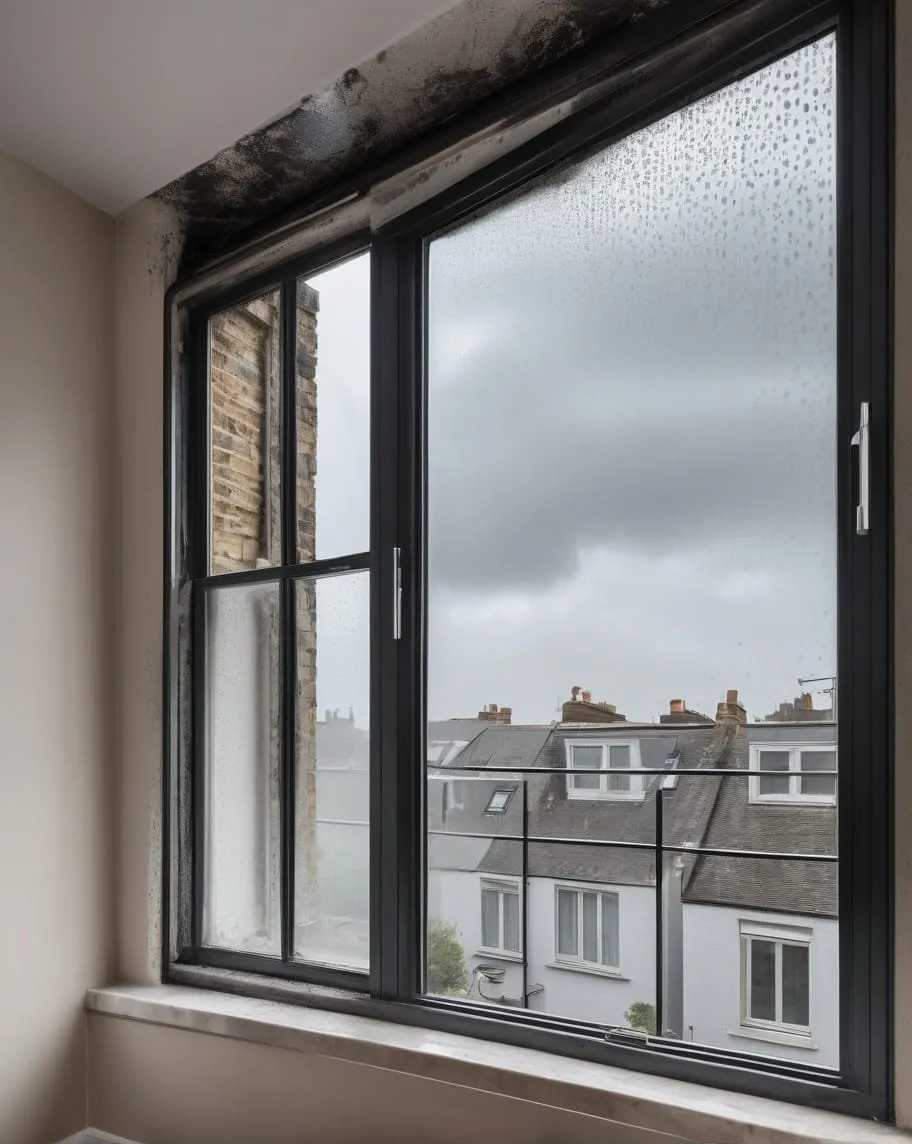
Talk through the property concern
We explain what makes a later observation useful
After treatment, retain the agreed scope and record any separate repairs as they are completed. If the surface changes, identify the exact location and when you first notice it. A wider image can show whether the concern is within the treated area or elsewhere. Describe growth, damp marks and damaged decoration separately rather than assume they are interchangeable. We can discuss the new evidence alongside the earlier condition and access limits. This avoids a follow-up being built solely around a close-up that cannot show which surface changed or what happened between the original visit and the new report.
What belongs in a treatment record
Keep the address, room, surfaces included, treatment date and any area that could not be checked. List recommended repairs separately from repairs actually completed. If something changes, add a dated wider photograph and say whether it lies within the earlier treatment area. This simple record supports a further enquiry without assuming a formal report was commissioned.
QUESTIONS FOR THIS VISIT
Before making arrangements
Do I need a formal report to keep a useful record?
Discuss any required written findings before booking. Whatever the agreed document scope, retaining the treatment areas, dates and separate repair details helps keep the maintenance history clear without assuming a specialist report is automatically included.
What counts as a meaningful change afterwards?
A new location, renewed damp mark, changed finish or growth on an included surface can all be relevant. Note timing and any completed work in the interval. Describe the observation without deciding in advance that it has the same cause.
Should I photograph only the mark?
A close image can show detail, but a wider view locates it within the room. Keeping both helps explain whether a later concern is in the treated area, beside it or in another surface altogether.
Why keep the assessment access limits?
They show what the visit could and could not consider. If a concealed space is later opened or another room becomes accessible, that new information should be treated as a change to the evidence rather than something already established.
Can a repair recommendation be treated as completed work?
No. Keep recommendations and completion dates distinct. That distinction helps a later enquiry focus on unresolved tasks and avoids assuming the moisture question was addressed simply because a repair was discussed during the earlier service.
Nearby service enquiries
We also take enquiries in the surrounding areas. Call with the property’s address and affected rooms.
Arrange work you can understand afterwards
Describe the room and what you need from remediation at your Crouch End property. We can explain the treatment scope, relevant recommendations and records that make any later maintenance enquiry more precise.