LONDON PROPERTY SERVICES

Bathroom Mould Removal London

Mould on a bathroom ceiling, wall or sealant line can keep returning when moisture remains. We assess the affected finishes and the room conditions before recommending treatment.

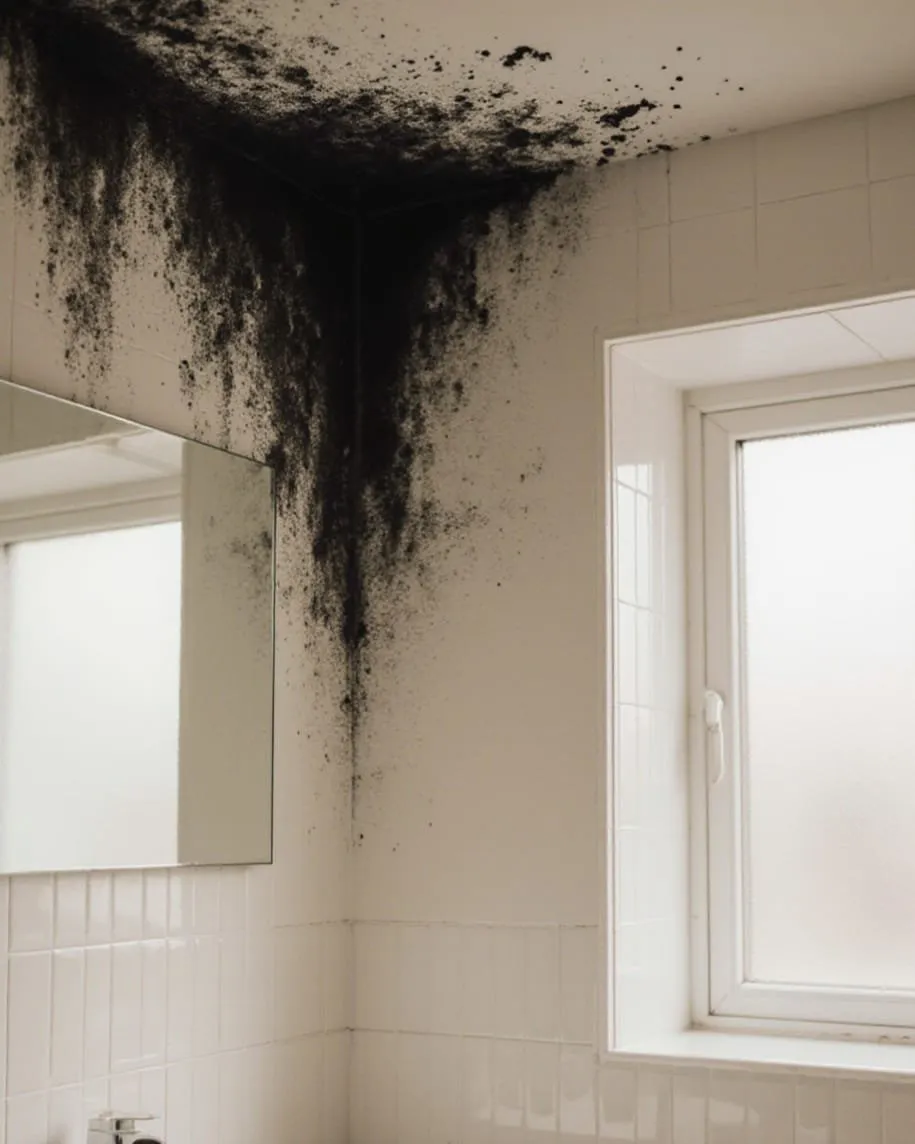
Dark mould above bathroom wall tiles beside a window
  • Assess painted and sealed surfaces
  • Discuss extraction and moisture
  • Separate treatment from bathroom repairs

ON THIS PAGE

A bathroom needs a room-specific approach

Bathrooms experience frequent changes in temperature and moisture. You may notice marks above the shower, at a ceiling corner or along a window reveal. Sometimes the sealant becomes discoloured while the painted walls remain clear. In other cases, several surfaces are affected at once. These differences matter when deciding what needs treating and whether a separate defect needs investigating.

Our bathroom mould removal service covers London homes, rental properties and commercial premises with bathroom facilities. The first conversation is about what you can see and how the room behaves. We do not assume that every bathroom patch has the same cause or that one treatment will suit all its surfaces.

The Southall bathroom guide looks at the affected finish before choosing a treatment scope. Our East Ham bathroom guide explains how to describe the walls, ceiling and moisture behaviour of the room without assuming that every mark has the same cause.

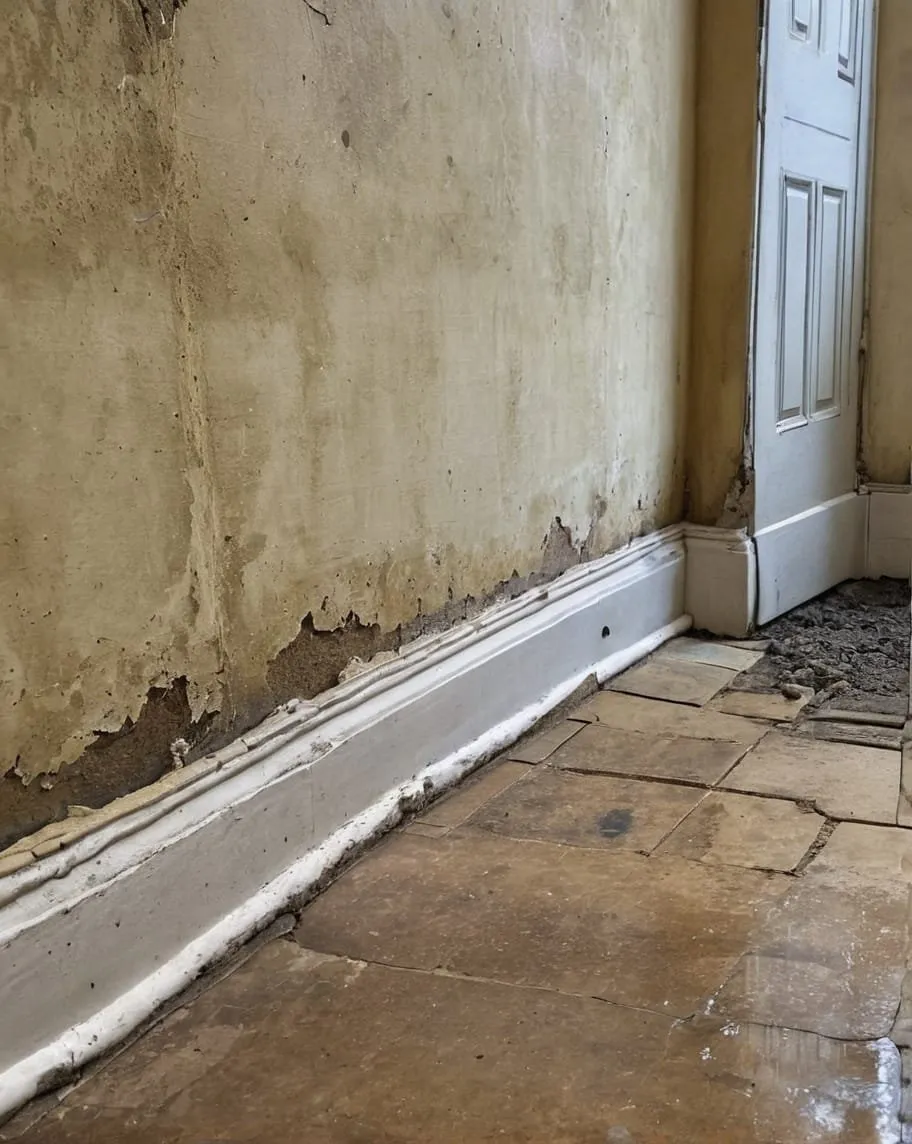
Damaged lower wall finish above a skirting board

Looking at ventilation and possible leaks

Steam from bathing is relevant, but the room itself needs attention too. An extractor may not be performing as expected, airflow may be restricted or a surface may stay colder than the surrounding area. We consider the context instead of simply asking you to change a daily routine. It is also important not to overlook a leak because the damage happens to be in a bathroom.

Tell us if a stain appears after the bath or shower is used, if water has escaped around fittings or if the ceiling is beneath another bathroom. Those details can change the direction of the investigation. Where a plumbing or building repair is needed, we explain how it relates to the mould concern. Mould treatment does not automatically include fixing a concealed leak.

Painted finishes, tiles and sealant

The affected material helps determine the proposed scope. A painted ceiling, grout line and silicone joint present different conditions. Some areas may have visible growth on the surface; others may have damaged or deteriorated finishes. We assess what is accessible and discuss whether separate repair or replacement needs to be considered.

Be clear about what you expect from the visit. Bathroom remediation is not automatically a full resealing, regrouting or decorating service. If you need those tasks, raise them when discussing the scope. A good plan separates treatment from any related refurbishment so you can arrange work in a sensible order. Covering affected areas without resolving the moisture concern can leave you facing the same problem later.

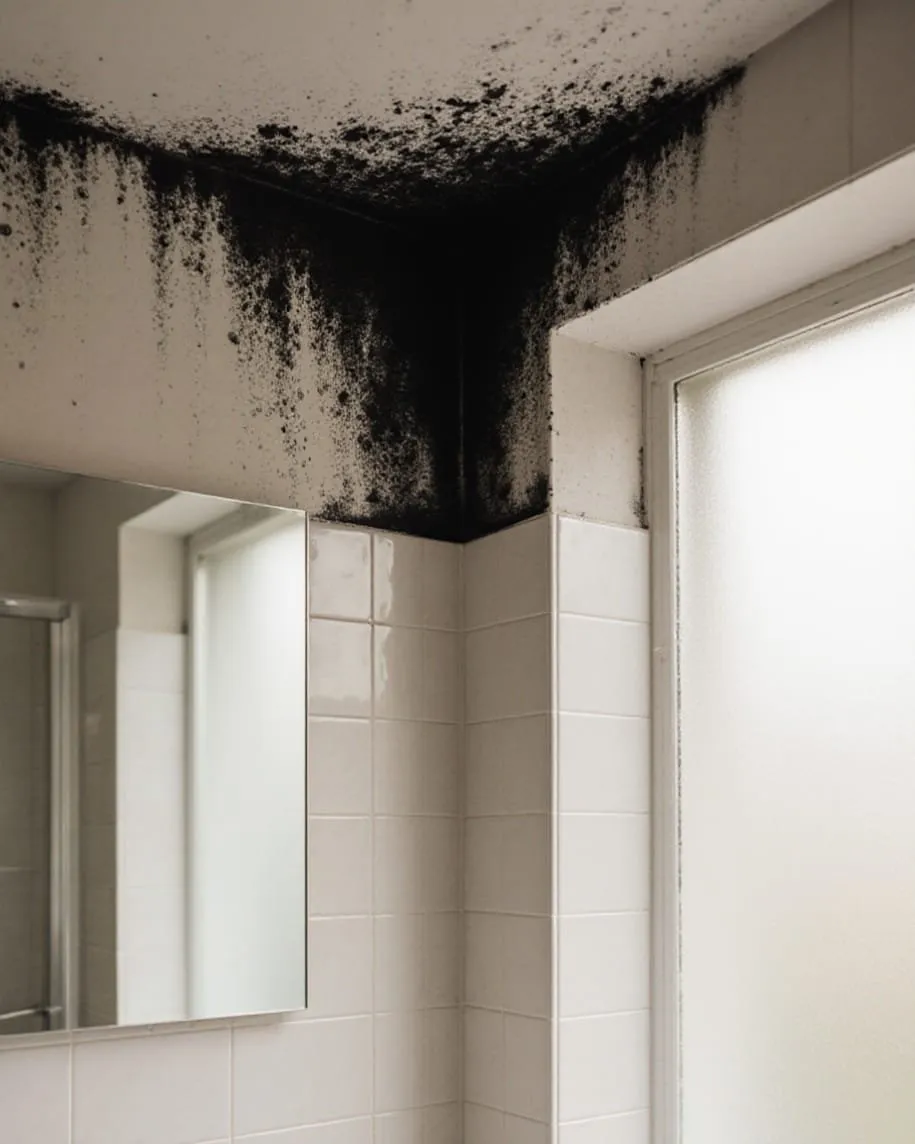
Mould across an upper bathroom wall and ceiling corner

THE PROPERTY IN CONTEXT

Look beyond the visible mark.

The affected material, the location and the history of moisture all help guide the next step. Tell us how the area has changed and what repairs have already been attempted.

What happens before work is agreed

We assess the accessible bathroom finishes and the pattern of visible growth. Appropriate anti-fungal surface applications may form part of remediation where suitable for the material and condition. Painted walls, ceiling areas and sealant concerns are considered separately, with the treatment areas explained before agreement. We also review the ventilation and moisture context to provide relevant recommendations, while making clear whether deteriorated finishes or a repair need separate work.

The proposed work should identify which areas are included and any limits on access or treatment. We discuss the room rather than attaching a generic price to every bathroom. You should also understand whether moisture investigation is needed first and whether other work must be arranged separately. That makes the decision easier than comparing prices with no explanation of the scope.

Preparing for a bathroom assessment

Tell us about access, room size and any fittings that make the affected area difficult to reach. Photographs can show the overall location and the surface condition. Mention recent leaks, replaced fans or previous sealant work, including whether they changed the problem. You do not need to remove fixtures or disturb finishes before speaking to us.

For a rental property, make sure the person arranging the visit knows who can approve the work. If the bathroom is shared, explain when access is possible. In a commercial setting, discuss whether the room can be taken out of use and who manages it. These practical details are part of a useful plan, particularly where the space is needed throughout the day.

Keeping the next steps realistic

After treatment, moisture conditions still matter. We discuss relevant observations about airflow and ventilation and any separate repairs identified. The recommendation should explain why a change is suggested, not give you a long list of generic instructions. If a fan or building defect needs further attention, address that issue rather than relying on repeated surface cleaning.

Do not use the appearance of a freshly finished surface as the only measure of success. Note whether moisture still collects in the same places and whether the marks return. If you contact us again, that history is useful. For mould extending across an entire ceiling, our ceiling treatment page explains the additional access and surface questions. Condensation treatment is also relevant where several rooms show a similar pattern.

Bathroom mould questions

Can you treat mould on silicone?

We assess the condition and explain the suitable scope. A deteriorated sealant joint may need replacement rather than expecting surface treatment to restore it. Discuss this before agreeing the work.

Does a working fan rule out condensation?

Not by itself. The room conditions and how effectively moisture is removed still need consideration. Tell us what you observe after the bathroom is used.

What if the ceiling has a stain as well as mould?

Mention both. A stain may need separate moisture or leak investigation. Do not assume it is ordinary steam-related growth simply because it is in a bathroom.

Discuss your London property

Call with your location, the affected rooms and the history of the concern. We’ll discuss the appropriate next step and the scope you need.