LONDON PROPERTY SERVICES

Condensation Mould Treatment London

Repeated window moisture and mould on cold surfaces deserve more than another coat of paint. We treat affected areas and look at the conditions that may be allowing condensation to build up.

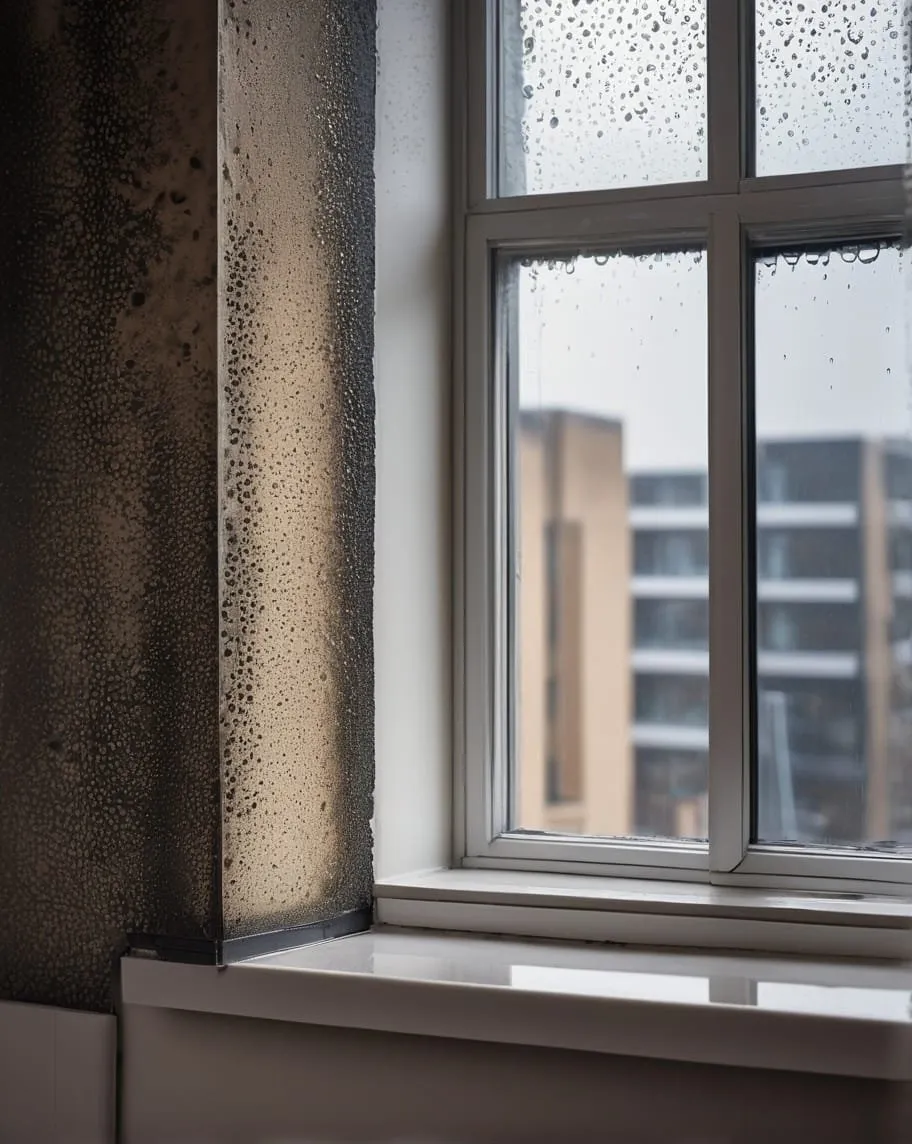
Mould on a wall reveal beside a window
  • Look at colder surfaces
  • Consider ventilation in context
  • Connect treatment with prevention advice

ON THIS PAGE

Recognising a recurring condensation problem

Water on the inside of a window is often the first thing people notice. Later, dark marks may appear on the reveal, in a ceiling corner or behind a large piece of furniture. The room may look dry during the day, making it difficult to understand why the same area keeps becoming affected. The problem can change with the weather and how the space is used.

Our condensation mould treatment service considers both the visible growth and the wider room conditions. We work across London with homeowners, landlords and commercial property managers. The aim is a practical recommendation for the building, with a clear explanation of what treatment can do and what moisture conditions may still need attention.

Our Leyton prevention guide connects surface treatment with ventilation and moisture questions. If growth is beside glazing, the Acton window-area guide explains why wet glass and the surrounding wall finish should be considered separately.

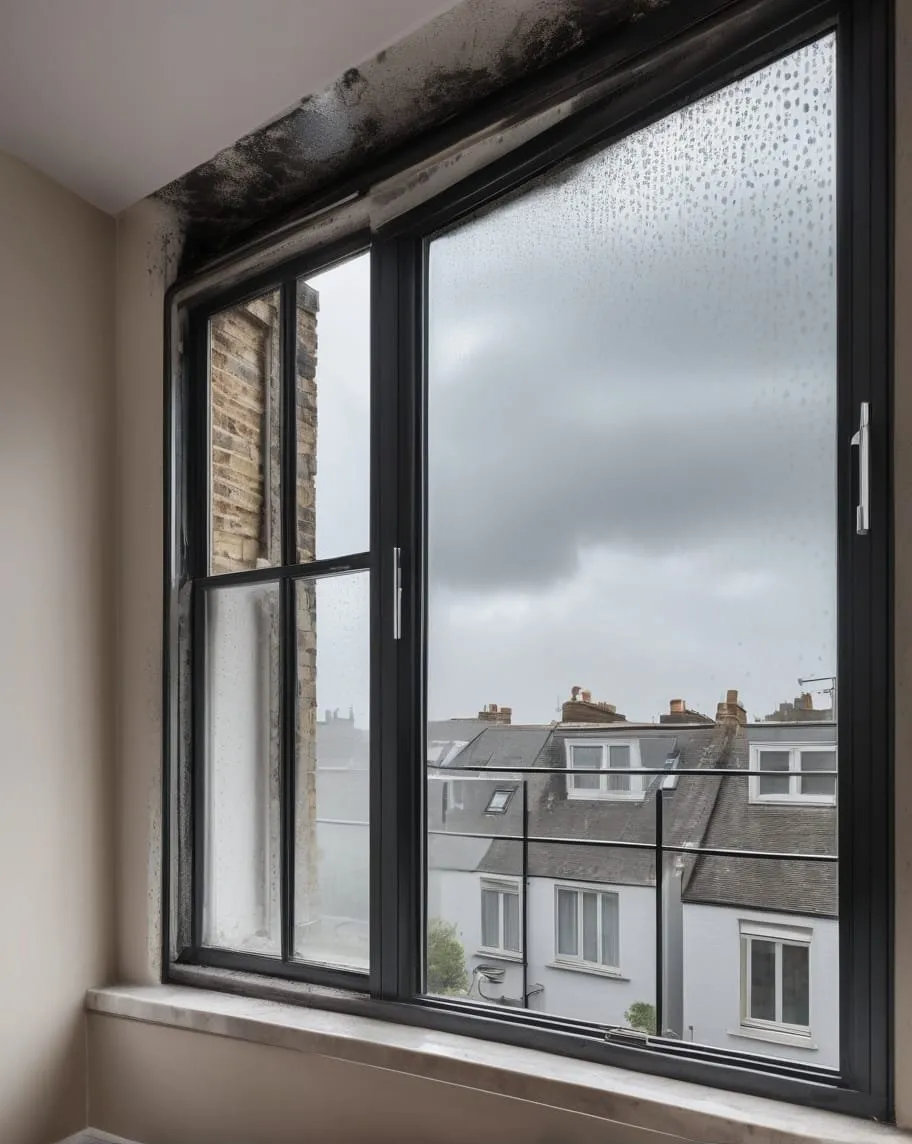
Dark mould above a black-framed window with droplets on the glass

Why surface temperature and moisture matter

Condensation can occur when moisture in the air meets a colder surface. Windows and external wall corners can show the effect before other parts of a room. Restricted air movement behind furniture may also be relevant. However, a familiar condensation pattern should not be used to dismiss a possible leak or building defect without considering the evidence.

The building has an important role. Its insulation, ventilation, heating and layout can affect how moisture behaves. Advice should take account of what is practical for the people using the space. Simply telling someone to open a window is not a complete assessment of a recurring problem. We discuss the room and the conditions so the recommendation does not reduce a building issue to an assumption about the occupant.

Assessing the affected rooms

Tell us which surfaces become wet and when you usually see moisture. Does it appear overnight, after bathing or during colder weather? Are several rooms affected, or only one corner? Is there an extractor, and has its performance changed? These observations help build a picture of the problem before the inspection.

During an assessment, the visible growth, surface condition and ventilation context help guide the next steps. Where the pattern does not fit the history, further moisture investigation may be needed. We explain any uncertainty rather than forcing every mark into a condensation diagnosis. Treatment is then discussed in relation to the materials affected and the conditions identified.

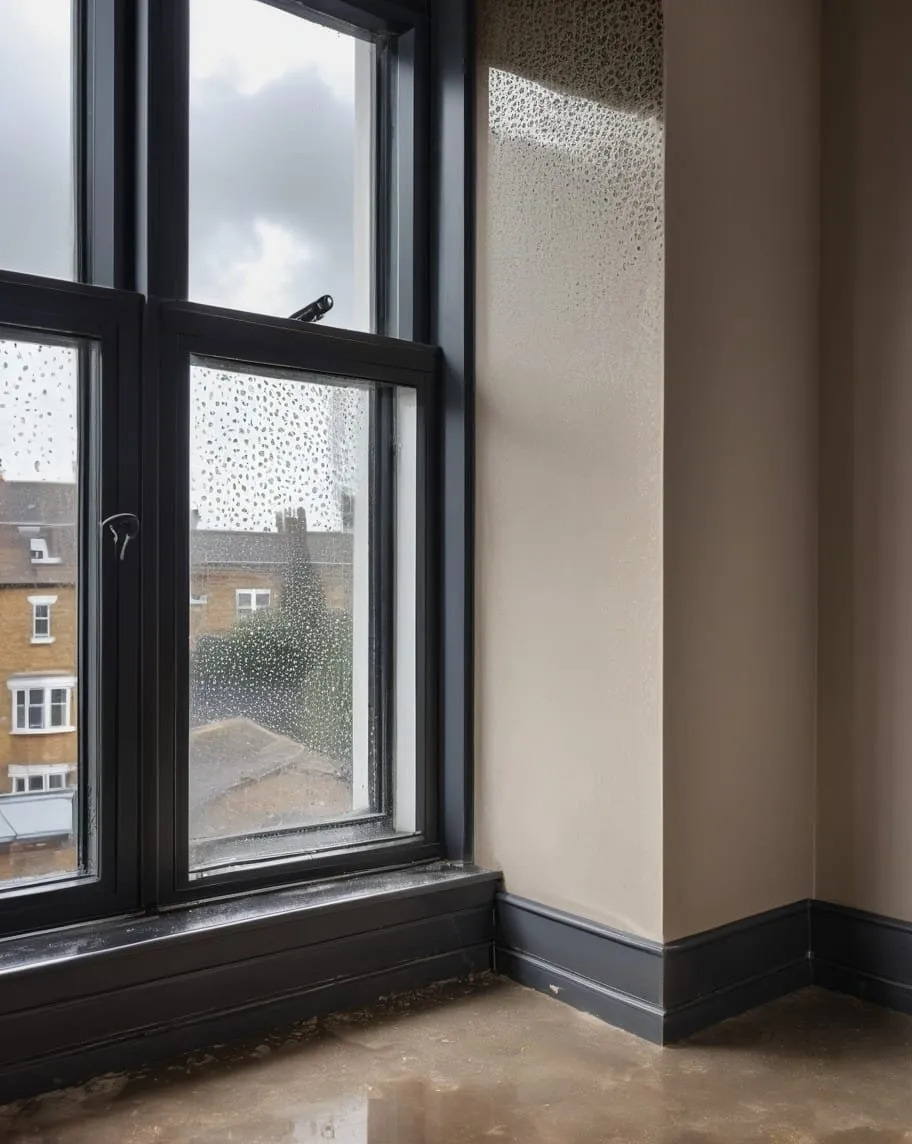
Water droplets on window glazing

THE PROPERTY IN CONTEXT

Look beyond the visible mark.

The affected material, the location and the history of moisture all help guide the next step. Tell us how the area has changed and what repairs have already been attempted.

Treatment with a practical prevention discussion

We assess the included painted surfaces, ceiling finishes or window details before proposing remediation. Suitable anti-fungal applications may be used on agreed affected materials, with the approach chosen from their condition. We explain the treatment areas and whether deterioration needs separate repair. The surface work is then connected to relevant ventilation, humidity and room-condition recommendations, so you understand both the removal task and the conditions requiring attention.

We also discuss the conditions that could allow growth to return. Depending on the findings, this may include ventilation, heating patterns, airflow around furniture or a separate building concern. Any proposed improvement should be explained in relation to your property. We do not promise that treatment alone will permanently stop condensation, because ongoing moisture and cold surfaces may continue to affect the room.

Useful notes before you call

A short record over a few days can be helpful. Note when the glass is wet, which walls show marks and whether the problem changes after particular weather. Photographs of the whole room and the affected surfaces give better context than a single close-up. Tell us about previous treatment and how quickly the marks returned.

If you rent the property, report the problem to the person responsible for managing it and explain who can arrange access. A tenant should not have to diagnose the building before asking for help. For landlords, gather the history without assuming that the occupant is responsible. That allows the assessment to start with the evidence rather than a disagreement about the cause.

Choosing the right service

If the issue is concentrated around glazing, our window mould service may be the most relevant route. If it affects bathroom walls and ceilings, bathroom mould removal can address that setting. Where the cause remains unclear, a damp survey may be more useful than immediately choosing a surface treatment. These services are connected, but each starts with a different question.

Pricing depends on the affected areas, the condition of the surfaces and the investigation needed. Describe the property and the rooms involved when you call. The proposed scope should make clear what is included, what is advice and what may require separate work. This gives you a firmer basis for comparing options and planning any follow-up repairs.

Questions about condensation mould

Is condensation always caused by how a room is used?

No. Moisture production is only part of the picture. The building, ventilation, insulation and surface temperatures can all matter. A useful assessment considers these factors together.

Will repainting stop the marks?

Repainting does not establish that the moisture conditions have been resolved. Discuss treatment and the cause before decorating, particularly if the same area has repeatedly become affected.

Can a dehumidifier replace an inspection?

It may change the room conditions, but it does not identify every possible source of moisture. If the problem persists, is spreading or has an unclear cause, an assessment can help explain what else needs attention.

Discuss your London property

Call with your location, the affected rooms and the history of the concern. We’ll discuss the appropriate next step and the scope you need.