LONDON PROPERTY SERVICES

Damp Survey & Moisture Inspection London

A damp survey helps you understand what may be happening behind stains, damaged finishes or recurring mould. We assess the property and explain the findings before you commit to a treatment plan.

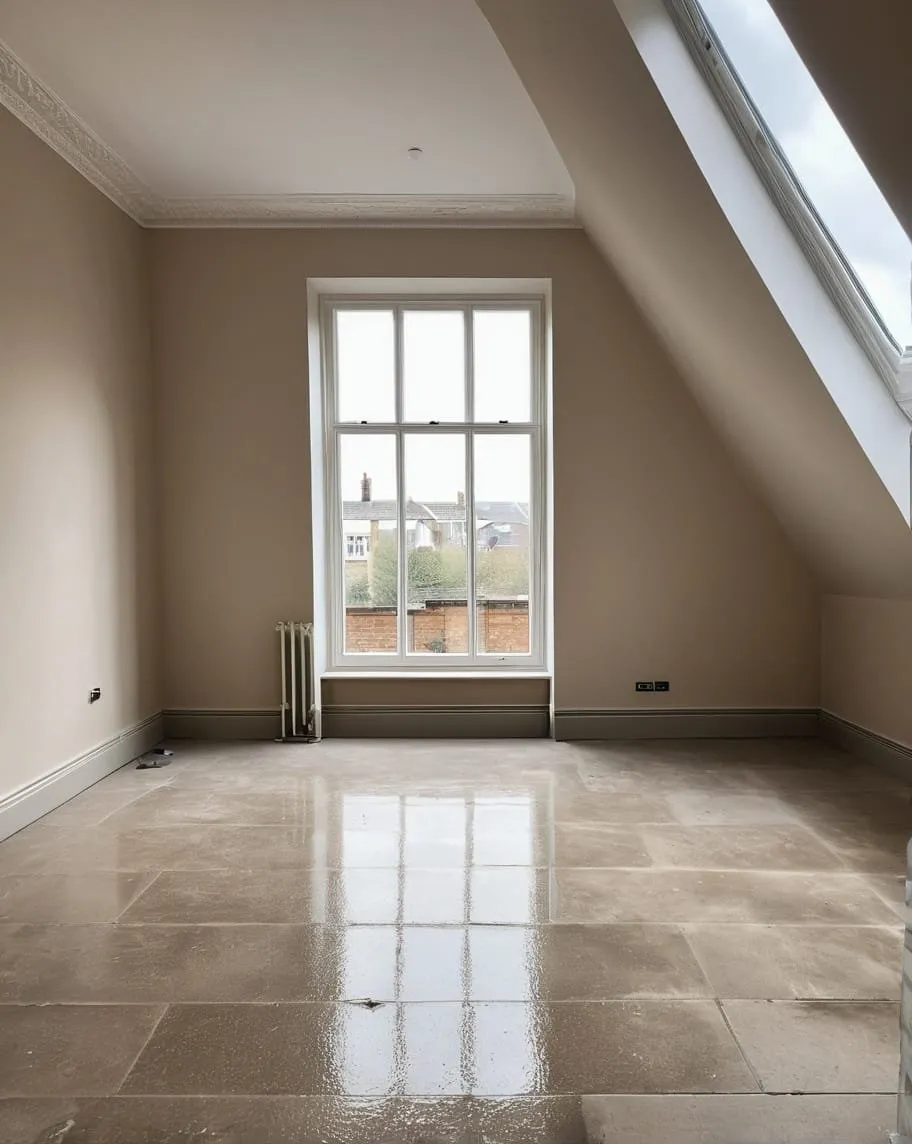
Interior room with tall windows and exposed painted walls
  • Record when damage changes
  • Check accessible moisture evidence
  • Understand findings and their limits

ON THIS PAGE

Start with the question, not the repair

A damp patch does not come with a label explaining its cause. You may see peeling paint at the base of a wall, moisture beside a window or a stain that appears after rain. It can be tempting to choose a repair from the appearance alone. Yet similar marks can have different causes, and more than one source of moisture can affect the same room.

A damp survey and moisture inspection provide a more useful starting point. We look at the affected surfaces, discuss the history and consider how the building behaves. The purpose is to help you understand the problem and the next steps, rather than attach a single treatment to every damp wall. Our service covers homes, rental properties and commercial premises in London.

A visible mark and a moisture observation may need different explanations. Our Ealing assessment guide shows how to compare the evidence, while the Stratford guide to choosing a first visit helps you describe the decision the first visit needs to support.

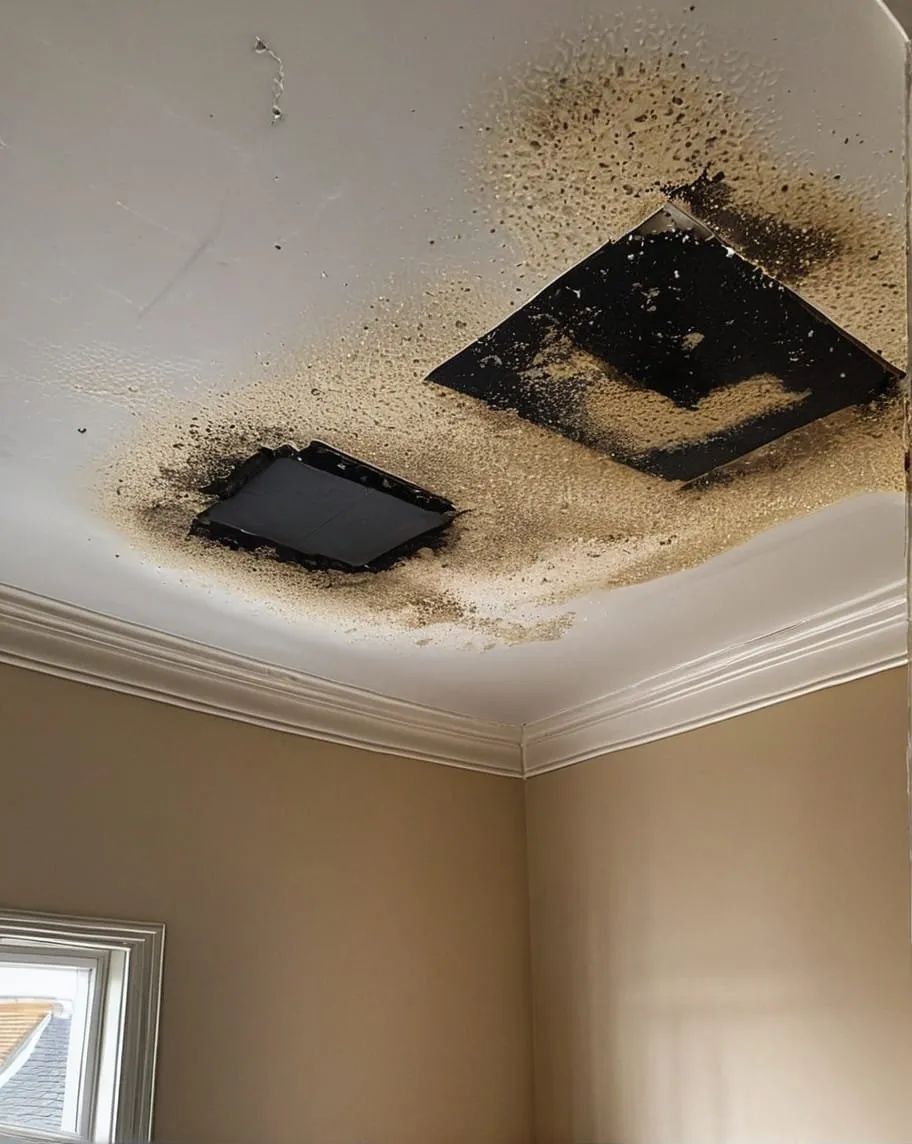
Dark mould surrounding two square ceiling fittings

What information matters during a survey

The location of the damage is important. We consider whether it is on an external wall, close to plumbing, beneath a roof area or around an opening. We also look at the pattern: is the mark concentrated in one place, repeated across several rooms or confined to lower wall sections? These details help direct the investigation without proving a cause by themselves.

Moisture readings need context. A reading is a piece of evidence, not a complete explanation of how water arrived. Surface materials, the area measured and other observations can affect how a result should be understood. We explain what the findings suggest, what remains uncertain and whether another inspection or a separate repair is needed. That distinction is particularly useful when deciding between mould treatment, condensation advice and building work.

Condensation, leaks and damp are different questions

Condensation is associated with moisture collecting on colder surfaces. A plumbing leak or water entering through the building can create a different pattern. Low-level damage may raise a question about rising damp, but it should not be accepted as proof without considering other explanations. A careful assessment looks at the whole picture rather than relying on one familiar sign.

You can help by describing when the problem appears. A stain that changes after rainfall gives different information from water droplets seen most mornings. Recent plumbing work, new windows or changes to ventilation may also provide useful background. You do not need to decide which cause applies. The point of an inspection is to turn those observations into a clearer discussion about what should happen next.

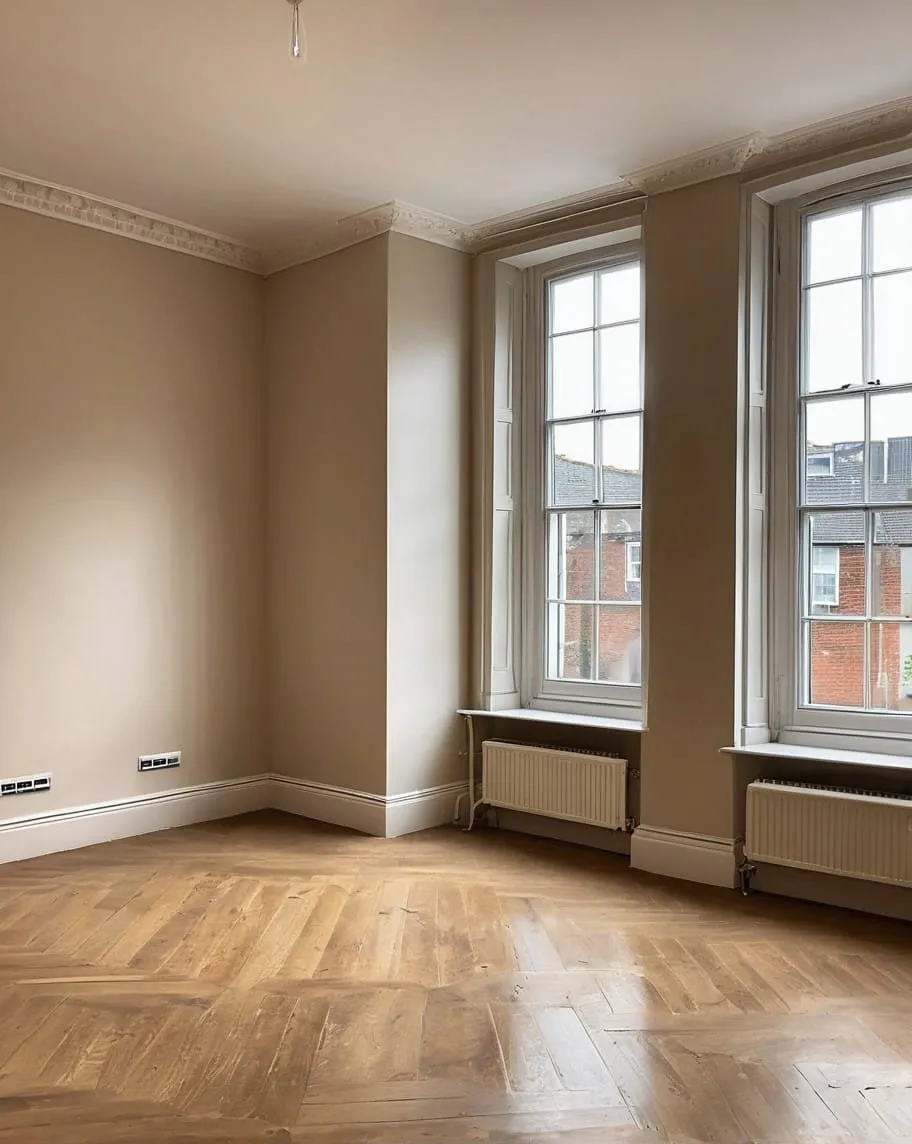
Room with a window, radiator and painted wall surfaces

THE PROPERTY IN CONTEXT

Look beyond the visible mark.

The affected material, the location and the history of moisture all help guide the next step. Tell us how the area has changed and what repairs have already been attempted.

Preparing your London property

Gather any photographs, previous survey notes or details of repairs already attempted. If you know where a leak occurred, explain whether it was repaired and when. If damage is inside a cupboard or behind furniture, describe the access rather than dismantling anything before speaking to us. Mention high ceilings, locked rooms and any areas that require permission to enter.

For a flat, the issue may involve another property or a shared part of the building. Tell us who manages those areas and whether access can be arranged. For a business, explain any operating hours that affect the visit. Agreeing these details early helps make the inspection useful and avoids assuming that every part of the property can be checked on the day.

Understanding the recommendation

After an assessment, you should understand the observed problem, the likely contributing conditions and any limits on what could be inspected. We discuss the next steps in plain language. That may mean mould remediation, further moisture investigation, attention to ventilation or a separate repair carried out by the appropriate trade. An inspection does not automatically include every repair it may identify.

If you need a written report for a landlord, managing agent or another party, say so when you enquire. Report requirements differ, and the format and purpose should be agreed before booking. A general moisture assessment is not automatically a structural survey, an insurance report or an expert legal opinion. Being clear about the intended use makes it easier to arrange the right service.

Planning work after the survey

Avoid treating the recommended steps as an unrelated list. A repair may need to happen before surface treatment, and decoration may need to wait until the underlying concern has been addressed. Ask which tasks depend on others and what evidence should be checked before moving forward. This is often more valuable than simply receiving the name of a product or treatment.

The cost of a survey depends on the property, the areas affected, access and the required scope. Describe those details when you call. We can discuss an appropriate visit rather than use a single price for every building. If your problem is urgent and recently appeared, tell us that at the start so availability can be considered.

Common inspection questions

Will every wall need testing?

The inspection should follow the concern and the agreed scope. Explain if several rooms are affected or if you need particular areas included. Access limits should be discussed before booking.

Can a survey guarantee the cause will be found?

Some sources are concealed or outside the accessible area. Findings can guide further investigation, but an assessment should be honest about those limits. Ask what was checked and what remains unresolved.

Is this the same as a landlord report?

Not necessarily. A landlord may need a particular written record and recommendations. Discuss that purpose with us so the service and reporting requirements can be agreed.

Discuss your London property

Call with your location, the affected rooms and the history of the concern. We’ll discuss the appropriate next step and the scope you need.