
LONDON PROPERTY CARE
Mould Remediation Clapham
We provide mould remediation in Clapham for homes and rental properties. Our approach connects the occupant’s observations with surface assessment, an agreed treatment scope and clear instructions for the person arranging the work.
Findings are discussed without starting from blame.
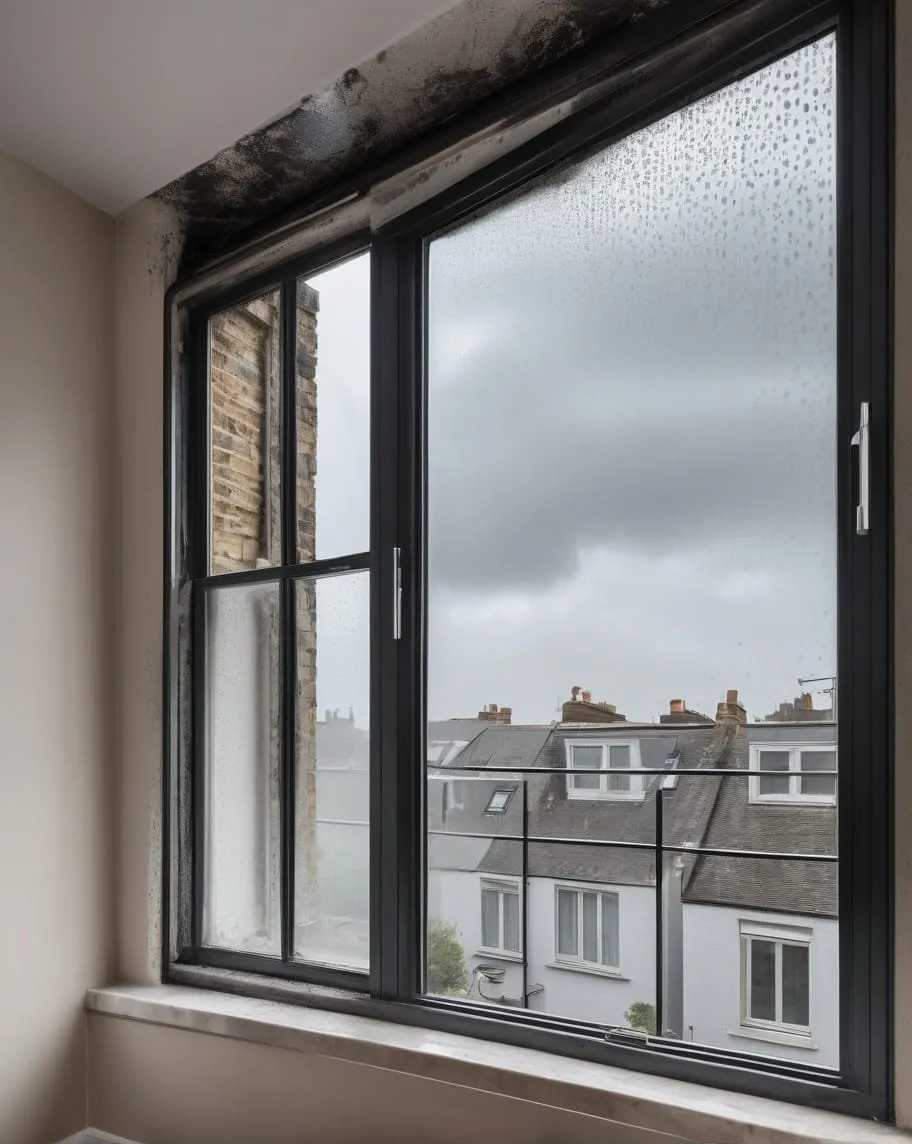
- Capture the occupant’s account
- Agree who can approve the work
- Keep reporting and treatment scopes clear
Begin with the report from the occupant
An email saying there is mould may include only one photograph. Ask which room it shows, when the marks were first noticed and whether they have returned before. Keep the occupant’s account in their own terms. They may know that condensation appears overnight or that a stain changed after a repair, without knowing the cause.
Those details deserve investigation rather than an immediate conclusion about responsibility. A Clapham address tells us where the property is, not why the room is affected. Building conditions, access and the moisture history must guide the assessment. Repeated cleaning requests are not a substitute for understanding a continuing concern.
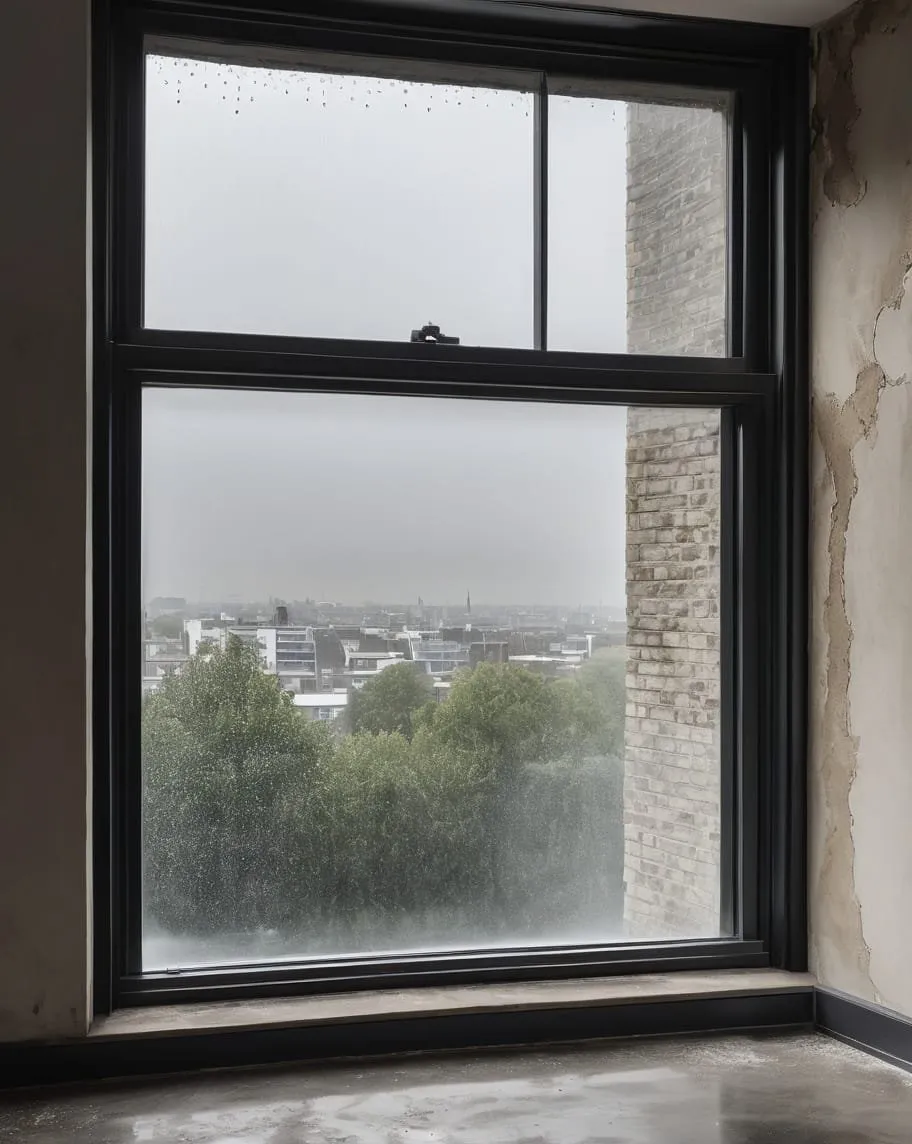
Establish the contact responsible for decisions
One person may arrange entry while another approves the proposed work. Make those roles clear at the enquiry stage. If a managing agent controls communal areas, include that information too. Otherwise, a visit to one flat may leave an important access question unresolved simply because the relevant contact was not involved.
Our landlord assessment information explains why the purpose of written findings should be agreed early. A maintenance note and a document requested by another party are not automatically the same service. Provide requirements before booking, rather than asking a completed visit to meet a different reporting purpose afterwards.
Agree access with the people living there
Identify the rooms included and discuss any restricted areas. Furniture, working-from-home arrangements and shared spaces may affect the practical visit. Communication about access should be clear, respectful and tied to the agreed work. Do not expect the occupant to dismantle fittings simply to demonstrate that the concern exists.
If a possible source lies elsewhere in the building, the assessment should state its limits. It may be necessary to arrange further checks in another property or shared space. That is a next step to coordinate, not evidence that an inaccessible area has already been ruled out. Good records preserve this distinction.
Explain the work to the resident and approving contact
The useful outcome is a plan, not merely a label for the patch. Separate observed growth from the likely moisture conditions and any further question requiring investigation. If treatment is recommended, make clear which surfaces are included. If a repair is needed, explain who must arrange it and how it relates to remediation.
Read about condensation-related growth where colder surfaces and ventilation may be involved. If the history points elsewhere, a broader damp assessment may be the appropriate route. Avoid choosing the explanation that is easiest to assign to one person instead of following the evidence.
We identify the affected surfaces and explain the recommended treatment to the person approving work. Suitable anti-fungal applications may be included where appropriate for the assessed materials. The resident needs the corresponding preparation instructions: which area must be reachable and whether furniture or fittings limit access. Any separate repair remains a different task. Keeping these instructions together helps the people arranging entry and approval understand the same proposal.
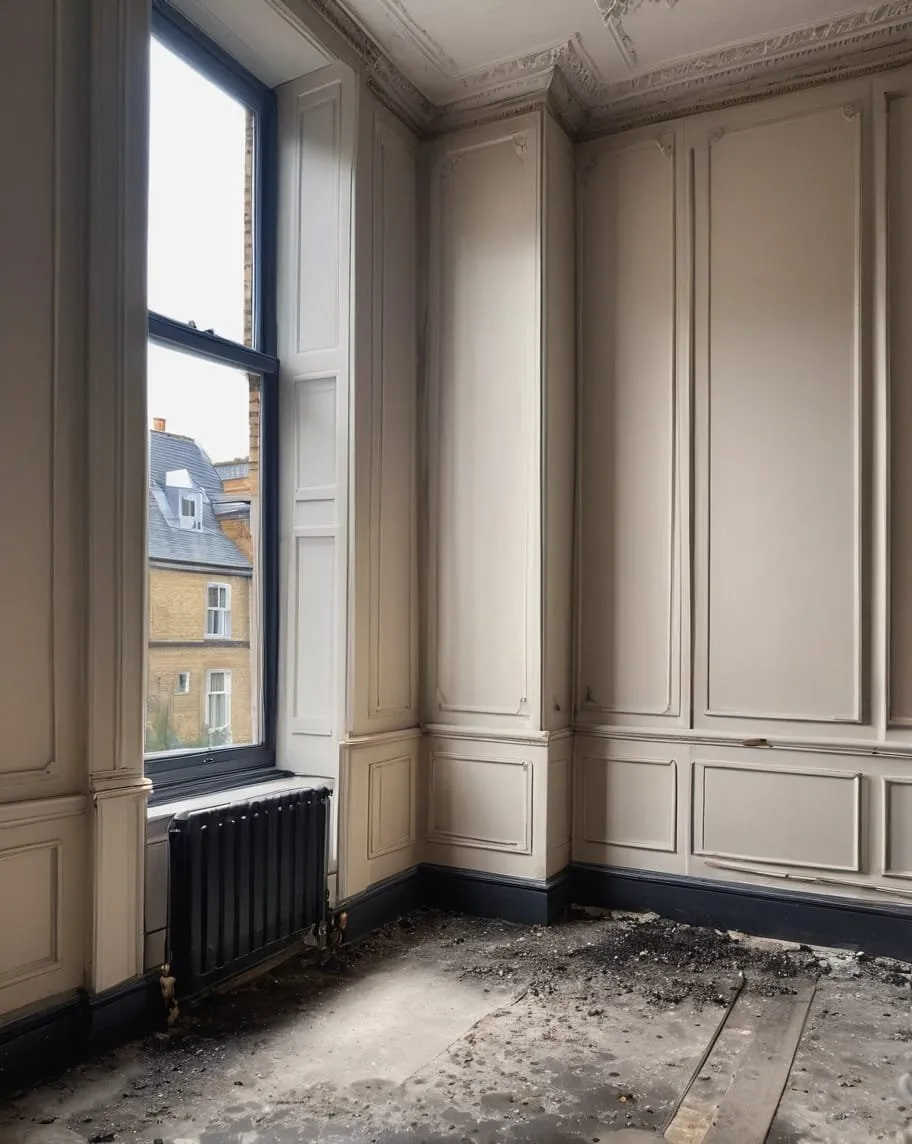
Arrange a clearer property visit
Keep treatment and tenancy questions separate
An assessment of property condition is not a decision about a tenancy dispute. We discuss the available service and its reporting limits; this page does not replace independent legal advice. If a particular document is required, describe its purpose so its suitability can be considered before a visit is arranged.
Likewise, surface remediation is not a complete building repair service by default. A leak, damaged finish or ventilation concern may require separate action. The removal guide explains the material questions. Record what is being arranged rather than describing every task as one generic mould job.
Follow up with an accurate management record
Retain the observations, agreed scope and dates of work. Ask the occupant to report further changes with the affected location and timing. If growth returns, compare that report with what was actually treated and which repairs were completed. This is more constructive than replying that the property has already had a visit.
For a Clapham enquiry, provide the location and the responsible contacts. Bring the occupant’s observations and management requirements into the same conversation. Decisions, permission and useful information need to connect before work starts.
QUESTIONS FOR THIS VISIT
Before making arrangements
Who should make the initial call?
The occupant, owner or agent can describe the concern. Explain who arranges access and who approves work so the next conversation reaches the person responsible for the proposed scope.
Can a report establish tenant fault?
The assessment should examine the property evidence without beginning from blame. Conclusions need context, and a maintenance assessment is not a substitute for legal advice about a particular dispute.
What if access to another flat is needed?
Tell us who manages the building. Additional permission may be required, and the first assessment should identify that access limit rather than claim the connected space was already investigated.
Should we send the previous maintenance record?
Mention what is available, including repair dates and earlier recommendations. The record can explain the history while the current room condition is considered on its own evidence.
Does the occupant need to leave for the work?
Discuss occupancy arrangements for the proposed service rather than assume an answer. The requirements depend on the work, the space and practical access, and should be clear before booking.
Nearby service enquiries
We also take enquiries in the surrounding areas. Call with the property’s address and affected rooms.
Connect the occupant’s report with the next visit
Tell us who has observed the growth, who will provide access and who approves work. Those contacts help turn a rental enquiry into an assessment with a defined purpose.