
LONDON PROPERTY CARE
Mould Remediation Wimbledon
Our mould remediation service in Wimbledon starts with the rooms affected and the way your home is used. We assess accessible surfaces, plan treatment around the agreed access and explain which moisture or repair questions need attention.
Occupied-room arrangements are discussed in advance.
- Map the rooms that need attention
- Discuss access before moving furniture
- Separate treatment from redecoration
Walk through the rooms before choosing a service
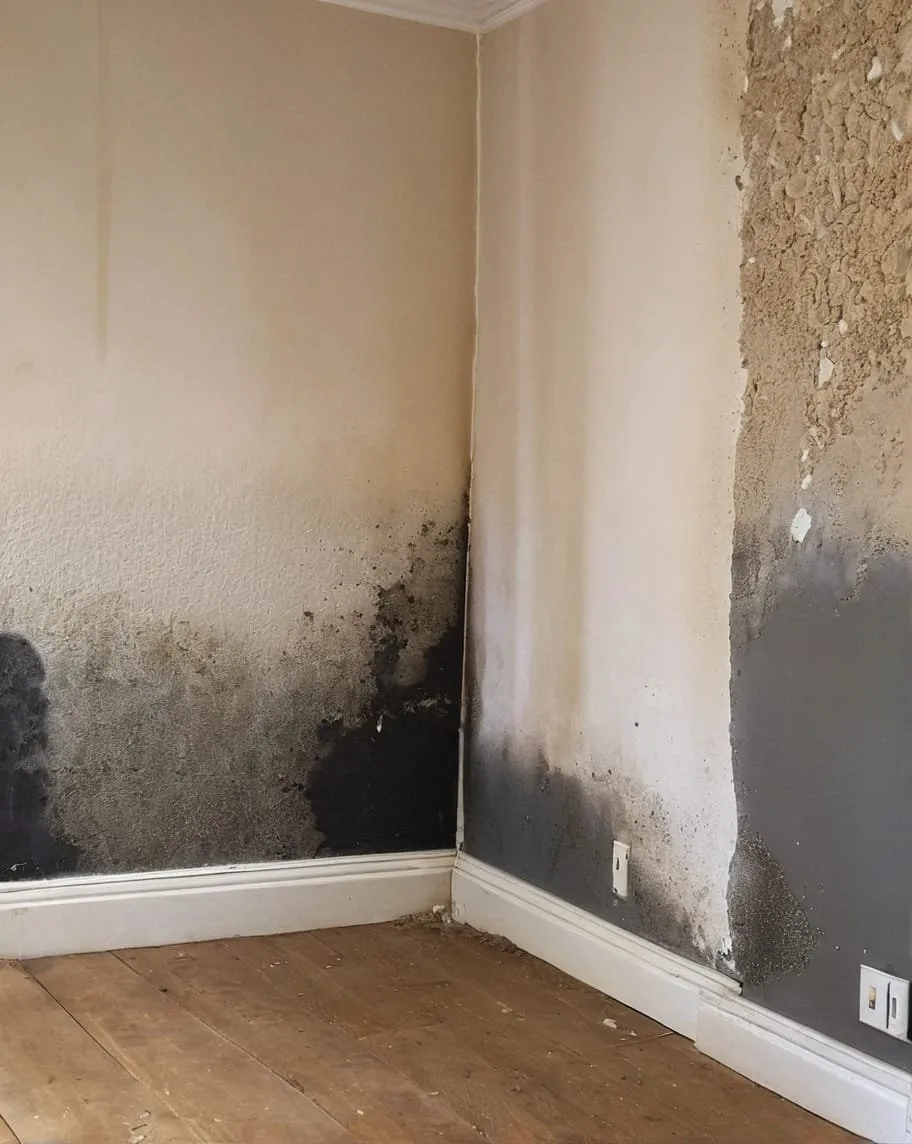
Make a short room list rather than trying to measure every patch immediately. Include the location of visible growth and any nearby damp mark. A bedroom corner, bathroom ceiling and living-room reveal may need different questions. If only one room is affected, say that too. The list helps define the enquiry without turning you into a surveyor.
For a home in Wimbledon, we discuss what you have noticed and the practical access. The postcode establishes the location of the visit; it does not explain the moisture source. The condition of the particular building remains the starting point for the work.
Make access a conversation, not a clearance job
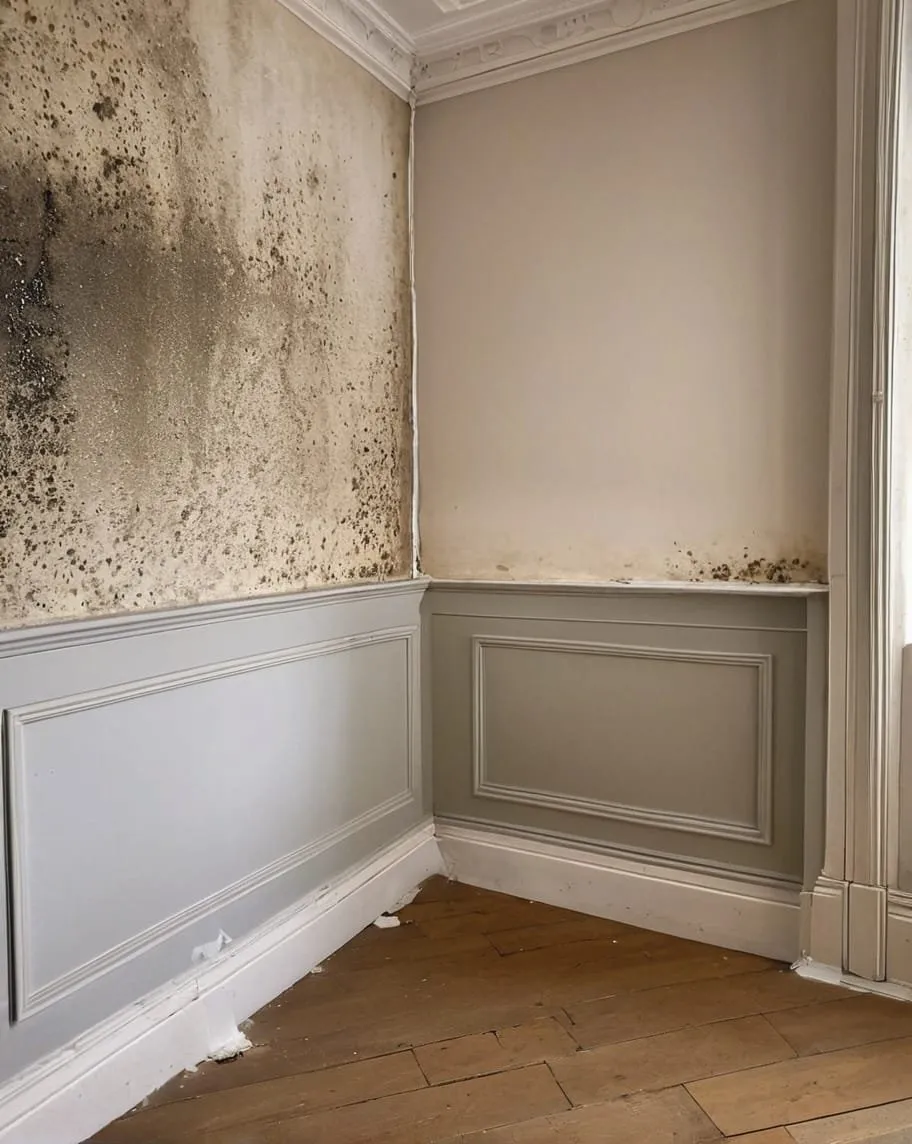
You may worry that everything needs moving before anyone can look at the wall. Describe wardrobes, beds, fitted units and other access limits first. A photograph showing the surrounding space can help explain the arrangement. Avoid disturbing finishes or moving heavy items just to expose a patch for an enquiry.
Access requirements should follow the agreed visit. Ask which surfaces need to be reachable and whether another area needs permission to enter. Where the problem lies behind a fitted item, it is better to establish the inspection limits than pretend the concealed wall has already been assessed.
Check what is known about the moisture
A visible room problem may have a straightforward history, such as a repaired leak, or no clear explanation. Mention condensation, recent water damage and earlier repairs, but do not combine them into a guessed cause. If the pattern crosses several rooms, the assessment needs that wider information.
The inspection service explains how findings and access limits are considered. If marks are concentrated on the upper surface, the ceiling treatment page covers additional questions about height and what is above the room. Select the route from the concern rather than the name of the room alone.
Agree the scope before arranging decoration
Treatment, plaster repair and painting are separate decisions. A proposal should identify which areas are included and any surface deterioration that requires additional attention. You should also understand whether a moisture repair needs completing before a new finish is planned. Otherwise, a room may look restored while the underlying question remains open.
Our black mould removal guide provides background on the affected materials. Use it to prepare questions, not to pick a product without an assessment. Ask what the work is intended to address and which tasks are outside the recommendation.
We turn the room list into a workable treatment brief. During the assessment, we consider the visible growth, the condition of the finish and any limits caused by furniture or fitted items. We use those findings to select the affected surfaces for removal and, where appropriate, anti-fungal treatment. The practical benefit is a room-by-room scope that you can discuss with your household or decorator, rather than a general promise to treat the whole home without checking it.
Coordinate the visit with the household
Explain who will provide access, who approves the work and how the room is normally used. A child’s bedroom, shared space or room used for work may have practical scheduling needs. Discuss these directly rather than assuming that every service can take place without any interruption. Arrangements depend on the scope and the property.
If you rent the home, involve the responsible management contact. A tenant’s observations can be valuable even when another person makes the booking. The aim is a clear visit plan, with the affected locations and access understood by everyone involved. Tell us if room access or household arrangements change before the visit, so the agreed scope still fits the space.
Use the room list after treatment too
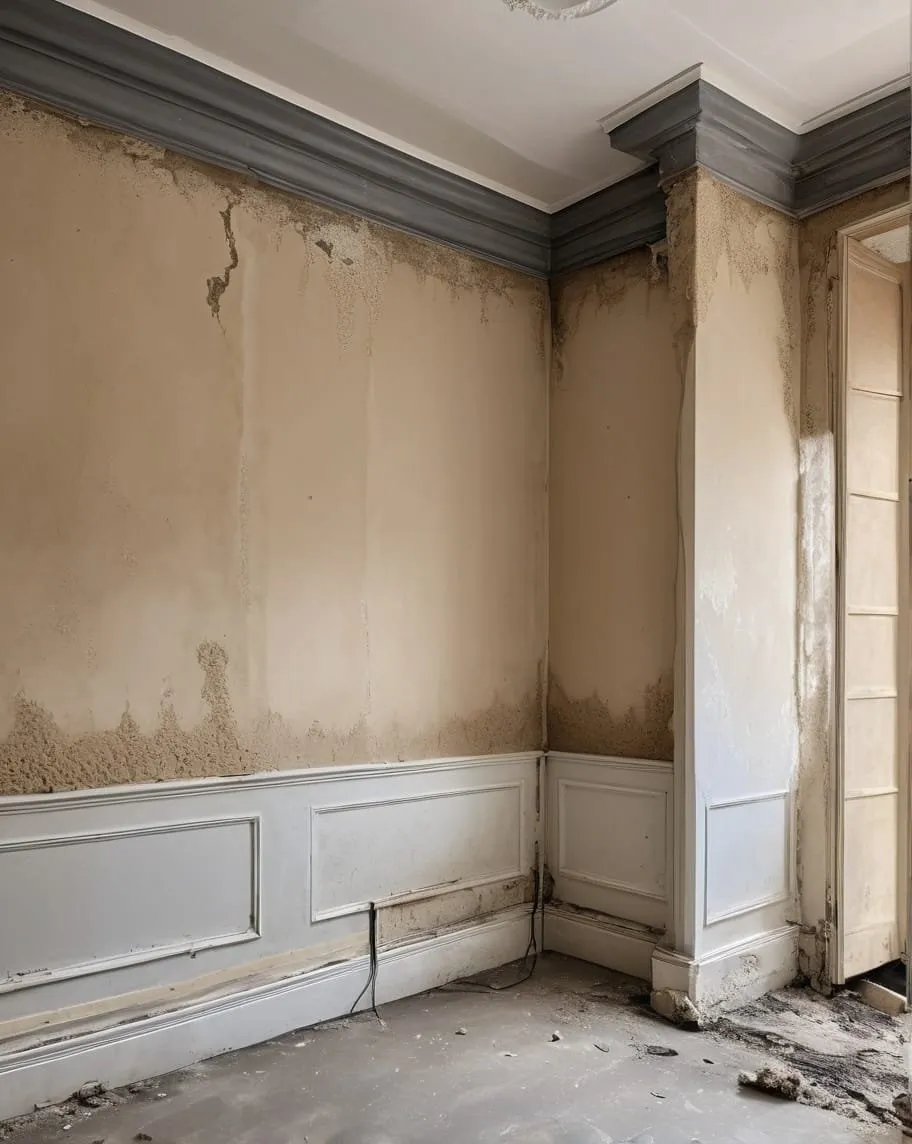
Keep the list as a simple record of what was checked and addressed. Add the dates of separate repairs and note which questions remain unresolved. If another surface develops marks, the earlier record can show whether it is a new concern or part of a continuing pattern. This is more useful than assuming every later spot needs exactly the previous treatment.
Ask how to raise follow-up observations and retain the scope of the work. Our contact information lists the details useful for a property enquiry. Treatment should be discussed with realistic limits, especially where continuing condensation or an unrepaired defect could affect the room again.
QUESTIONS FOR THIS VISIT
Before making arrangements
Should I empty the entire bedroom?
Not before discussing access. Explain the furniture layout and which surface is affected. Preparation should follow the actual inspection or treatment requirements, not an assumption that the whole room must be cleared.
Can different rooms be included in one enquiry?
List them together, including any room that has a related stain. This helps the discussion recognise a wider pattern and makes it easier to agree which areas the visit will cover.
When should I arrange painting?
First establish the condition of the material and any outstanding moisture repair. Decorating is a separate task, and a treatment proposal does not automatically include it. Ask about the order of work.
What if the wall is behind a fitted wardrobe?
Mention the fitting and available access. Concealed areas may need separate arrangements. The findings should be clear about what could be inspected without implying that an inaccessible wall was checked.
Can an occupant provide the background?
Yes. Someone using the room may know when the marks appeared and how they change. That history is useful even if a landlord or managing agent is responsible for arranging work.
Nearby service enquiries
We also take enquiries in the surrounding areas. Call with the property’s address and affected rooms.
Bring your room list to the call
Describe the rooms, affected surfaces and any furniture that limits access. We can discuss preparation around the visit you need instead of asking you to clear the whole home first.