
LONDON PROPERTY CARE
Mould Remediation Redbridge
Several rental reports do not necessarily need the same booking. We help Redbridge landlords distinguish a current moisture concern, an unexplained mark and growth on a surface with a known repair history, then discuss the relevant assessment or treatment for each address.
The property condition determines the service recommendation.
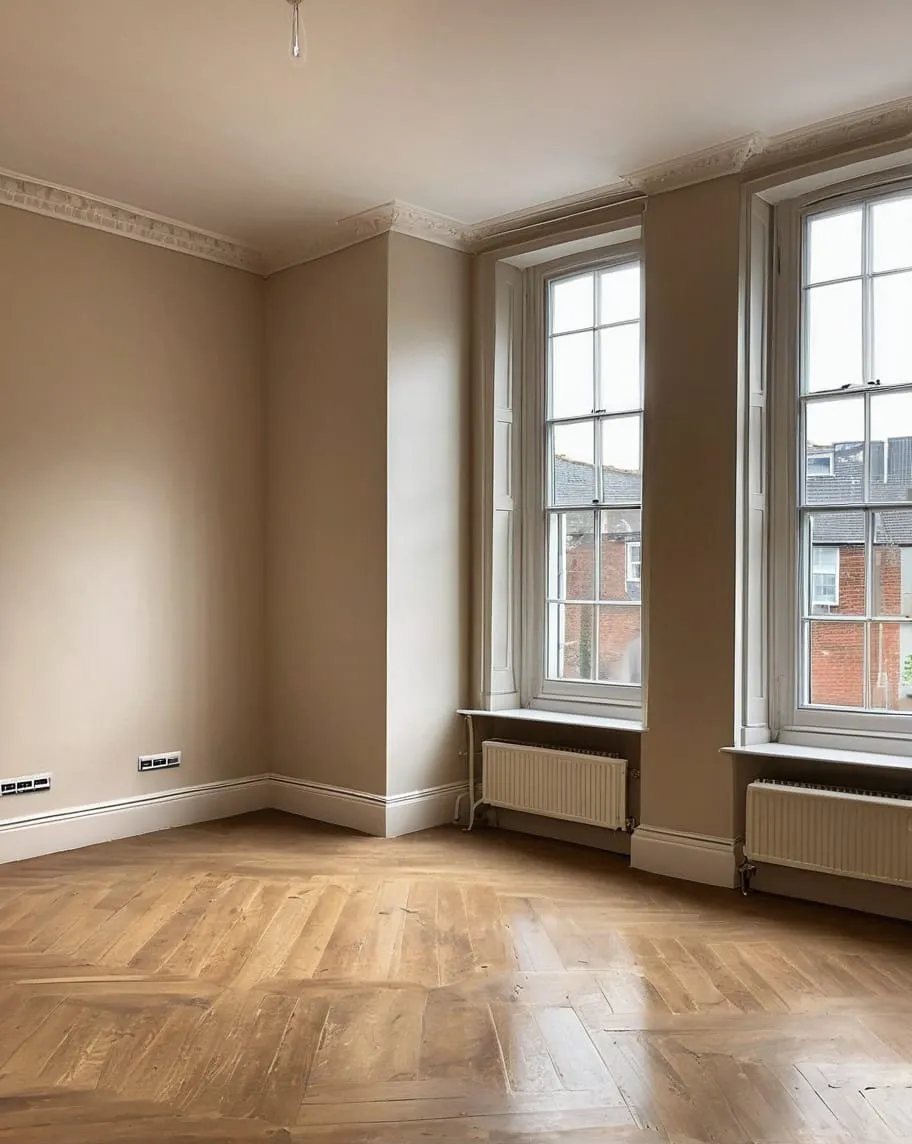
- Separate the current concern at each address
- Choose the assessment or treatment question
- Keep each repair and treatment scope clear
We separate the reports before selecting a service
If you manage several properties, send a brief for each rather than one combined description of mould in the portfolio. We ask which room is affected, what the resident has noticed and what is known about earlier work. These details help us discuss the service purpose for each Redbridge address, without deciding that similar-looking growth means identical conditions.
The first distinction is the question you need answered. Is there a current moisture incident to investigate, uncertainty about an older mark, or a defined surface-treatment request following known repairs? We help organise the enquiries on that basis. This is a practical way to choose the next discussion, not a diagnosis made from an address list.
A current moisture concern needs its own enquiry
For example, one resident may report a new water mark while the source remains unresolved. State whether water is still entering, a leak is suspected or another contact is investigating. Our moisture detection service provides a route for discussing an urgent investigation enquiry. Describe the current condition and access rather than assume the booking is simply for removing visible growth.
We explain the relevant service scope and arrangements. Detection is distinct from plumbing or building repair, and this discussion does not promise a particular attendance time. The contact responsible for addressing an active source should remain clear. Surface remediation should not silently become the whole instruction when the immediate uncertainty concerns ongoing moisture.
An unexplained mark calls for a defined assessment question
A second property may have recurring growth with no known water incident. Ask the resident about timing, wet glazing, previous cleaning and changes in the room. Our damp and moisture inspection can be discussed where the source is the question. We consider accessible materials and observations in context, explaining the limit if another space cannot be reached.
We keep this enquiry separate from the active-incident report. Evidence from one building does not settle another building’s condition. The manager can then understand why an assessment is being proposed here, while another address has a different starting question. A useful booking brief identifies what the visit needs to establish, not only that a wall has a dark patch.
A known repair history helps frame surface treatment
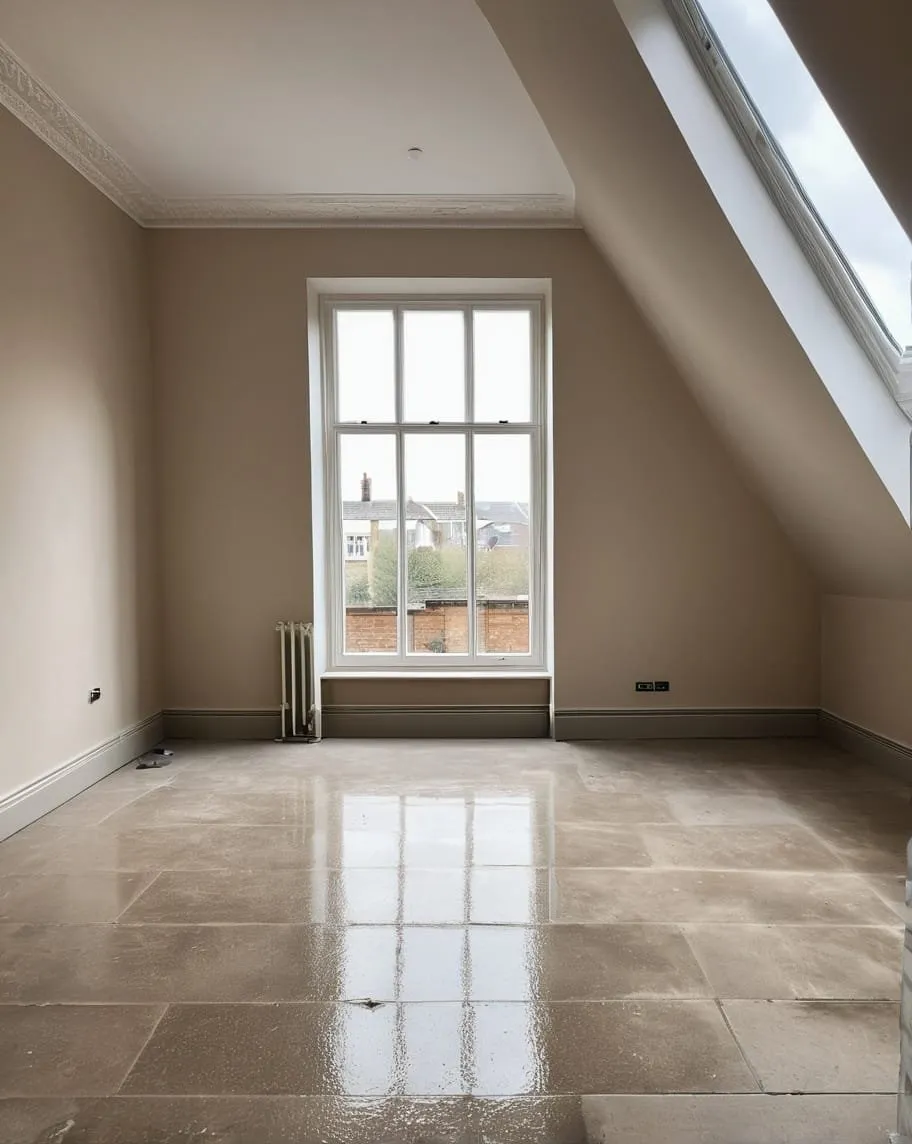
A third report might concern growth remaining on an internal finish after a documented source repair. Give the incident and repair dates, the surface material and what the resident sees now. We assess the current finish rather than assume the repair proves every internal material is ready for the next task.
Our mould removal service addresses the remediation discussion. Suitable anti-fungal applications may form part of the proposed work, depending on material and assessment. We explain the surfaces included and any remaining moisture question. This gives the landlord a treatment instruction tied to that property, rather than apply the inspection or incident brief from another address to it unchanged.
Material condition and access shape each proposed job
Describe paint, wallpaper, plaster and any visible damage for the relevant room. Our wall treatment information explains why remediation and material repair may require separate decisions. A firm painted finish and loose paper at another property should not be combined into one assumed application task.
We also ask who provides entry, whether fixed furniture blocks the surface and who approves work. Preparation follows the proposed areas. If written findings are needed, agree their purpose beforehand. Keeping these arrangements with each address allows the occupant to receive instructions for their own room and the manager to authorise a scope based on actual access, rather than a standard instruction passed around every property.
Why separate enquiry records make maintenance easier
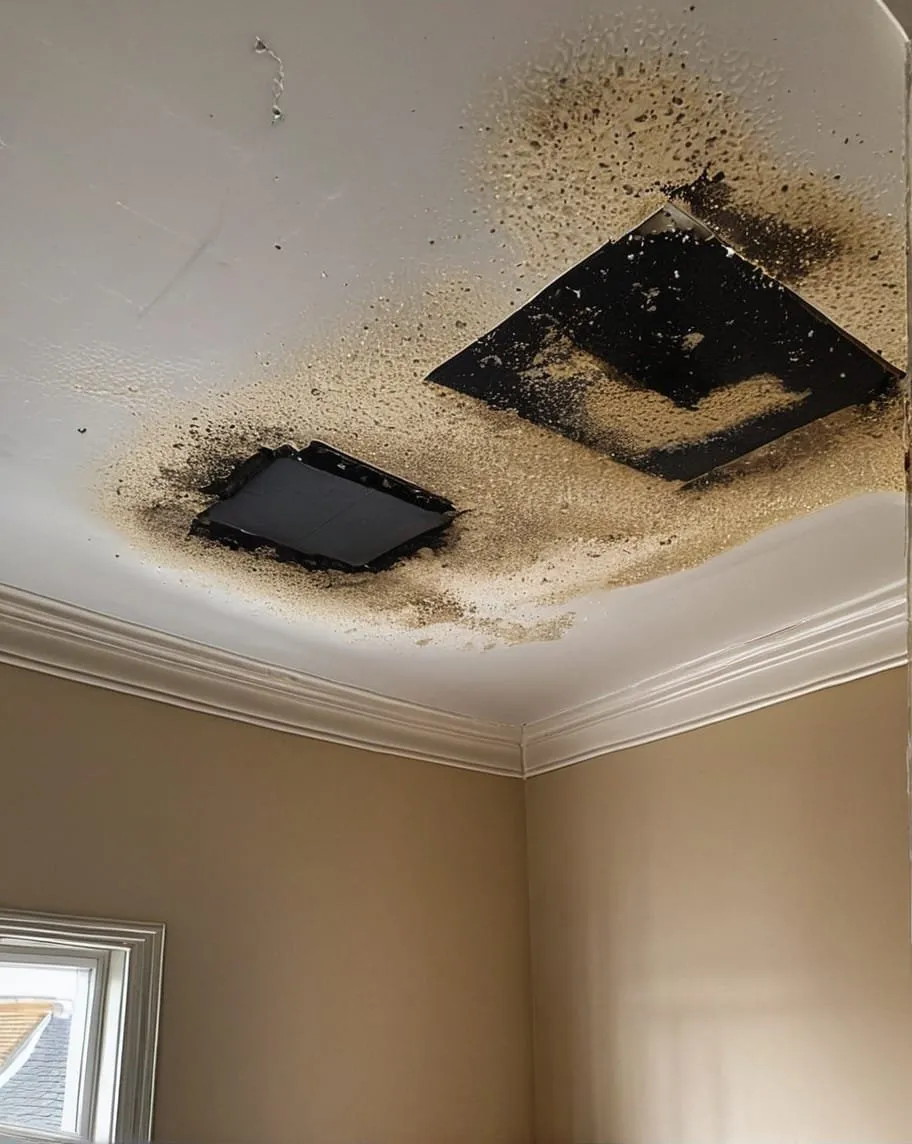
We use the individual histories to explain which assessment or treatment conversation belongs to each report. The practical benefit is knowing why the next task differs: one enquiry concerns current moisture, another an uncertain source, and another a surface-treatment decision following known work. The examples illustrate different questions; the recommendation still follows the assessed property.
Keep findings, proposed tasks and completion dates with the relevant address. When a resident reports another change, identify the room and what happened in between. We can discuss it against that property’s record instead of restart a portfolio-wide account. Clear separation helps the landlord coordinate appropriate maintenance while retaining the evidence and limits that make each proposed service understandable.
Nearby service enquiries
We also take enquiries in the surrounding areas. Call with the property’s address and affected rooms.
QUESTIONS FOR THIS VISIT
Before making arrangements
Can I send reports from several rentals together?
Yes, but give each address its own affected rooms, current condition, repair history and access contacts. We discuss the relevant service question for each rather than let information from one property stand in for another.
Should every report be booked as mould removal?
Not necessarily. Tell us whether the immediate concern is current moisture, an unexplained mark or treatment of a described surface. We help clarify the enquiry so the booking purpose matches the question you need answered.
Does moisture detection include fixing a leak?
Do not assume that repair is included. Explain what is active or suspected and who is arranging source work. We discuss the detection enquiry and its scope separately from remediation and any plumbing or building task.
Will a completed source repair automatically make treatment straightforward?
We still consider the current material and condition. A repair date is useful history, but damaged finishes or another moisture question may remain. We explain the proposed treatment areas and separate tasks rather than infer the whole room is restored.
How should I track the work across properties?
Keep each assessment purpose, treatment area, outstanding recommendation and actual completion date with its address. A later report can then be compared with the correct history, avoiding confusion between a proposed task and work completed elsewhere.
Give each rental report the right starting question
For Redbridge rental enquiries, share a separate brief for each address and explain the decision needed now. We can discuss moisture investigation, assessment or remediation with the material, history and access for that property in mind.