
LONDON PROPERTY CARE
Mould Remediation Ilford
We turn a first report of mould into a practical assessment and treatment brief. For Ilford enquiries, a few details about the room, material and access help us explain the appropriate starting point and the work it can lead to.
The scope explains what the proposed work covers.
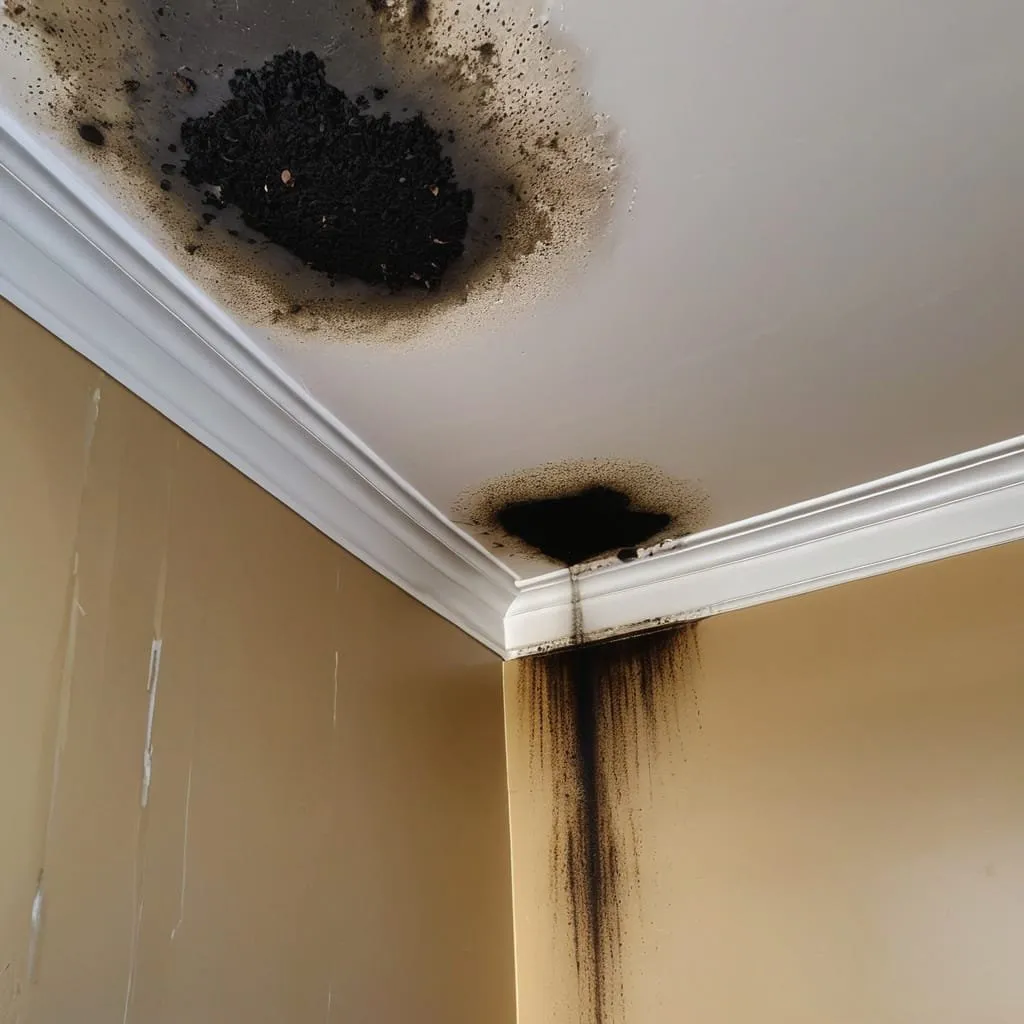
- Build a clear first enquiry
- Connect your observations to our assessment
- Plan treatment for the actual material
A short report can leave the main question hidden
An enquiry saying there is mould in the bedroom tells us where to begin, but not which surface is affected or what you need the visit to establish. We ask a few practical questions to turn that report into a useful brief for your Ilford property. Is the mark on a wall, ceiling or window reveal? Is the finish intact or deteriorating? Has anyone repaired a water source? Those details help us discuss the appropriate service without asking you to make a diagnosis.
You may want visible growth treated, help understanding moisture, or information before another contractor starts. Explain that aim alongside the room rather than assume every enquiry headed mould removal includes the same work.
Here is the difference a useful description makes
An incomplete brief might say: mould in bedroom, please quote. A more useful example is: growth on the painted external wall beside a wardrobe; paint appears firm; first noticed last month; glazing is sometimes wet; no known leak; the wardrobe limits access; the owner approves work.
We can use those observations to ask focused follow-up questions about the accessible surface, room moisture and preparation. You do not need every detail to call. State what you know, and say when timing or previous work is uncertain. That distinction prevents an assumed repair or guessed cause becoming the basis of the proposed service.
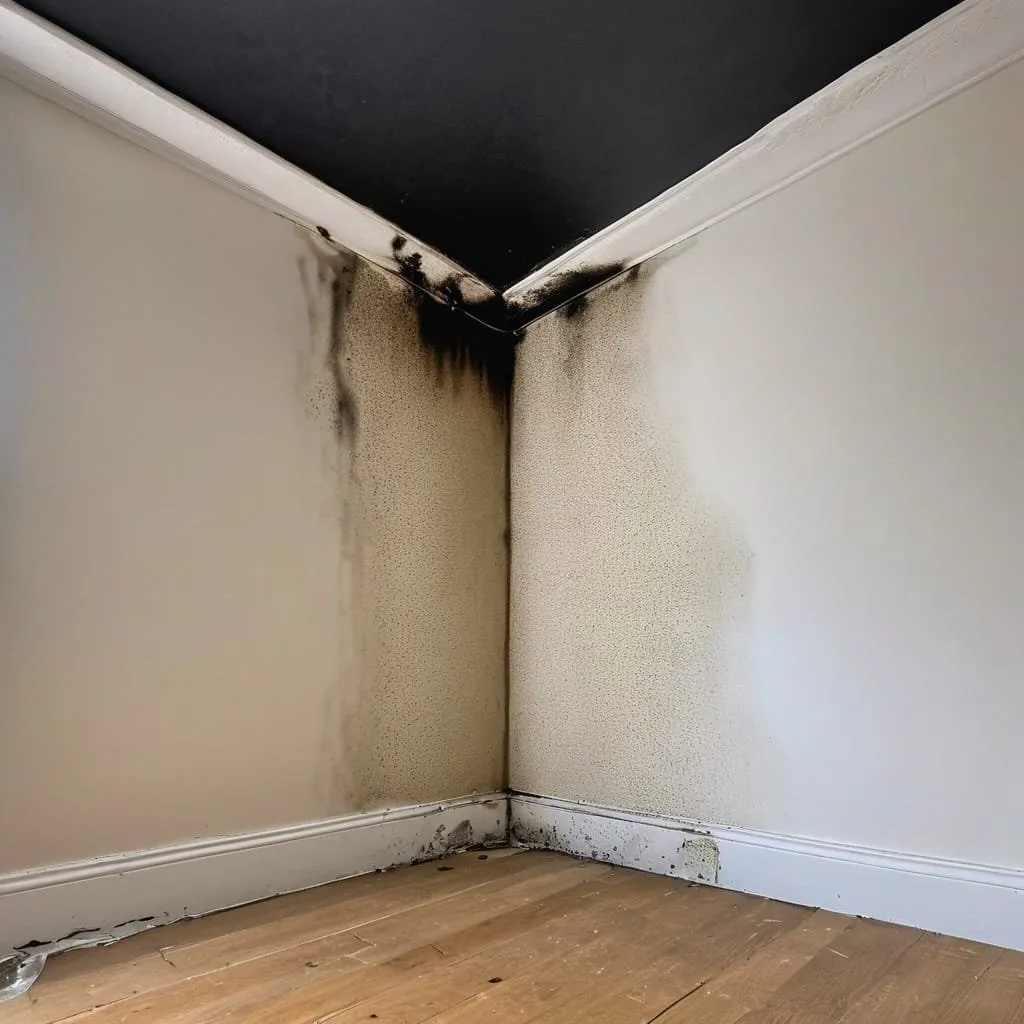
We use the moisture history to choose the assessment question
A known repaired incident raises a different starting question from a mark with no established source. We review the account and consider the accessible materials before recommending work. Our damp and moisture inspection can be discussed when understanding the source is central to the enquiry. Wet glazing is relevant information, but it does not prove the cause of every wall mark.
We explain what the assessment is intended to answer and any access limit. If a connected space cannot be entered, that remains an outstanding question. We use your brief to select assessment that addresses the decision you need to make.
The material description helps us explain the application
Tell us whether the affected finish is paint, paper, plaster or another surface, and describe visible deterioration. Our wall mould service explains why sound decoration and loose material can raise different preparation or repair questions. You should not strip a finish simply to make the first enquiry more complete.
Where appropriate to the material and assessment, remediation can include anti-fungal surface applications. We explain the proposed treatment for the agreed areas and identify separate repair decisions. Our mould removal information gives the wider context. The useful material detail in your brief allows the conversation to address the actual finish instead of begin with a product choice detached from its condition.
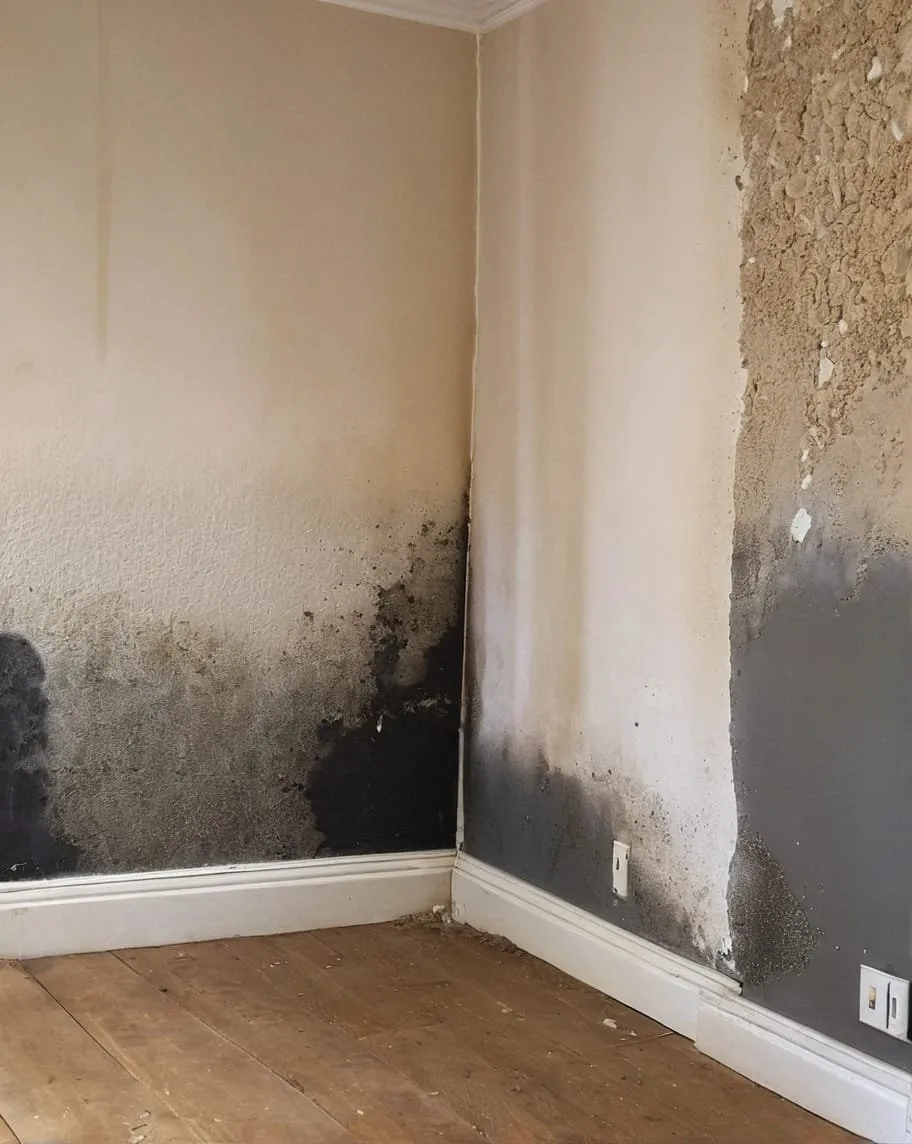
Talk through the property concern
Access details turn a proposal into achievable work
Describe fitted furniture, difficult-to-move items and any room that requires another person’s permission. We use that information to discuss preparation and which surfaces can realistically be included. If the person reporting mould is the occupant but someone else approves the work, identify both contacts. A useful brief should reach the person providing entry as well as the commissioning contact.
Our quotes and pricing enquiry connects cost with that defined work. An exposed-wall treatment should not be presumed to include dismantling storage or opening concealed areas. We explain the preparation and boundary so the proposed job can be organised, rather than leave a practical access question until the appointment is due.
Why we build the brief before presenting the scope
We use your observations to connect assessment, material-appropriate treatment and preparation. That is the service value of a clear first enquiry: you can understand why the proposed work fits the room and which question needs attention first. Separate source repairs, material replacement and decoration remain identifiable tasks rather than unspoken expectations.
Keep the agreed brief with the Ilford property record. If a repair is completed before the visit or access changes, tell us so the plan can respond to the new condition. Afterwards, retain the treatment areas and any separate recommendations. A future enquiry can then explain what changed from a known starting point, instead of repeat an incomplete description that never identified the affected surface or original purpose.
QUESTIONS FOR THIS VISIT
Before making arrangements
Do I need to provide every detail in the example?
No. Begin with the room and what you have observed. We ask relevant follow-up questions. If a date, repair or cause is uncertain, say so rather than inventing precision to make the enquiry look complete.
What should I say if I only have a photograph?
Explain which room and surface it shows, when it was taken and what you want to establish. A wider view can help show access. Photographs support the brief but do not identify every concealed material or moisture source.
Why distinguish a known leak from wet glazing?
They are different observations and may lead to different assessment questions. We consider the history and accessible condition together. Neither detail should be used alone to decide the cause of every affected finish in the room.
Should I remove wallpaper to identify the material?
Do not disturb a finish simply to complete the first enquiry. Describe what is visible and any damage. The proposed assessment, preparation and separate repair decisions should follow the accessible condition and agreed service.
Can the brief change after I contact you?
Yes. Tell us about a completed repair, newly affected area or changed access before arrangements are fixed. An updated account helps the proposed work answer the current question rather than follow an earlier assumption about the property.
Nearby service enquiries
We also take enquiries in the surrounding areas. Call with the property’s address and affected rooms.
Bring a useful room description to the call
For your Ilford property, explain the affected surface, known history and available access. We can turn that information into an appropriate assessment or treatment enquiry and explain the preparation and separate tasks behind the proposed scope.