
LONDON PROPERTY CARE
Mould Remediation Notting Hill
When the same patch returns, another cleaning attempt may leave the important question unanswered. Our Notting Hill service reviews earlier work and the current surface condition, then explains how assessment and remediation can address the concern with a more useful property history.
Earlier work informs the enquiry without deciding the answer.
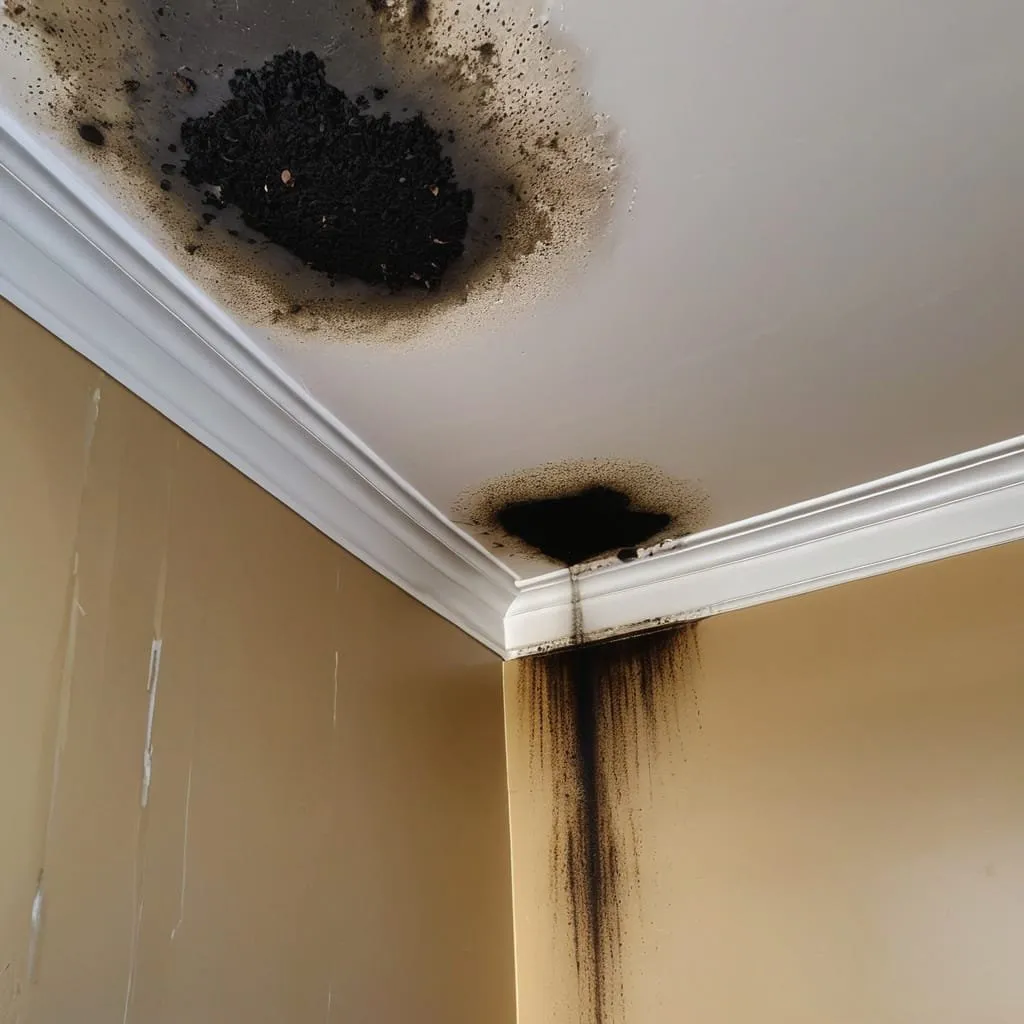
- Compare recurrence with previous work
- Revisit unresolved moisture questions
- Define a fresh evidence-based scope
Identify what has actually returned
We ask whether growth has reappeared in precisely the same position, spread to another surface or become visible after a finish was removed. Those are different descriptions. A dated photograph from the earlier concern can support the comparison. We use the history to focus the enquiry, rather than assuming every mark in the room is part of one unchanged problem or that a previous treatment tells us the condition today.
Assess whether the material has changed
A finish that was sound before may now be peeling or damaged. We discuss the accessible surface and whether repair needs to sit alongside treatment. Our wall remediation service covers these material questions. Another removal visit should not quietly assume the original surface condition still applies. We explain the scope and any additional tasks so the proposal matches the room as it is now.
We can consider suitable anti-fungal applications for the current affected material as part of an agreed remediation proposal. The choice follows the new assessment rather than automatically repeats the earlier treatment. Relevant moisture evidence and room conditions are reviewed together, helping explain what the proposed surface work addresses and why another task may still matter.
Look for the question that stayed open
If the moisture explanation was uncertain before, we revisit that uncertainty rather than repeating it as a confirmed cause. We may discuss a moisture assessment to consider the present evidence and accessible areas. Changes to the property, continuing leaks or different room use belong in that conversation. The recommendation should follow the current concern, including information that was unavailable during earlier work.
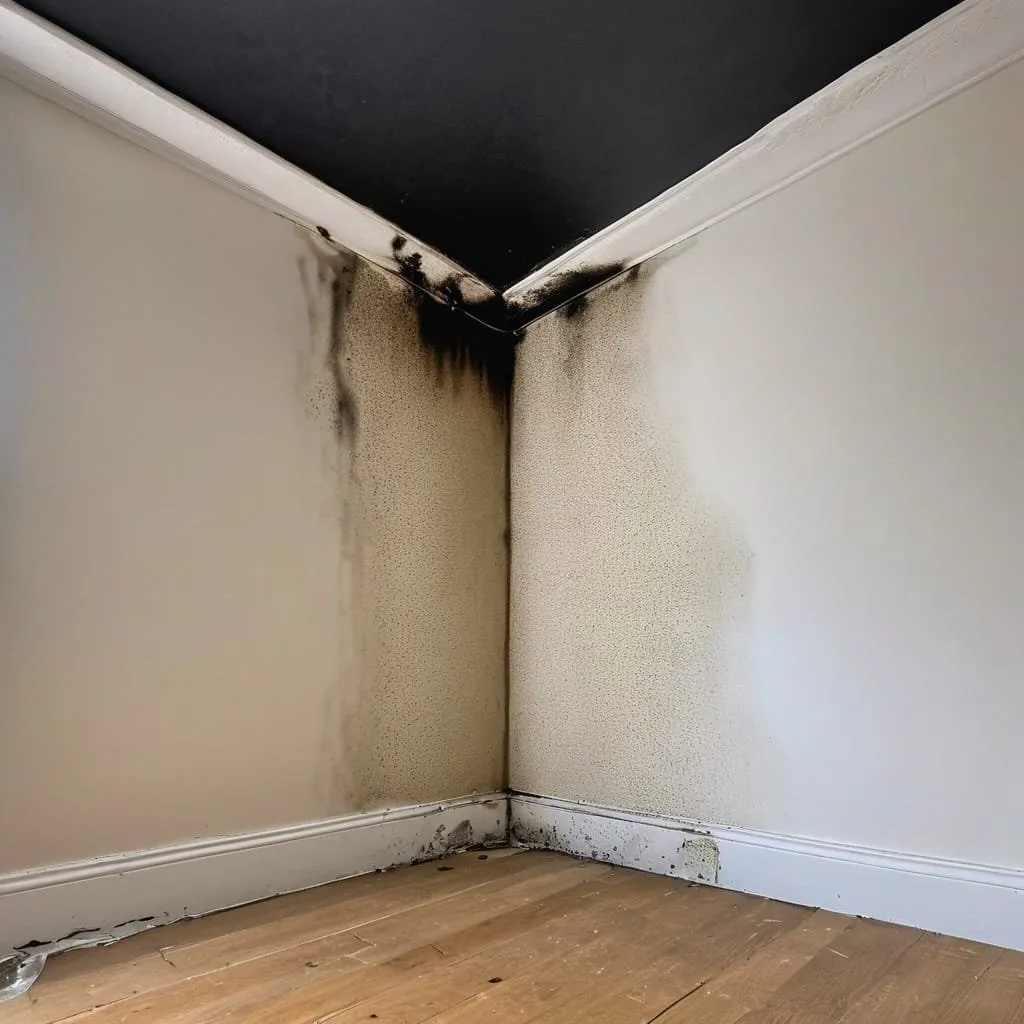
Talk through the property concern
Connect prevention advice with the findings
We explain relevant next steps in relation to what has been assessed. If room conditions are involved, advice needs to address those conditions; if a separate defect remains, that repair question should stay visible. Our capability comes from discussing the moisture and treatment stages together. You can ask what supports a recommendation and what still needs investigation, rather than receiving the same general instruction regardless of the evidence.
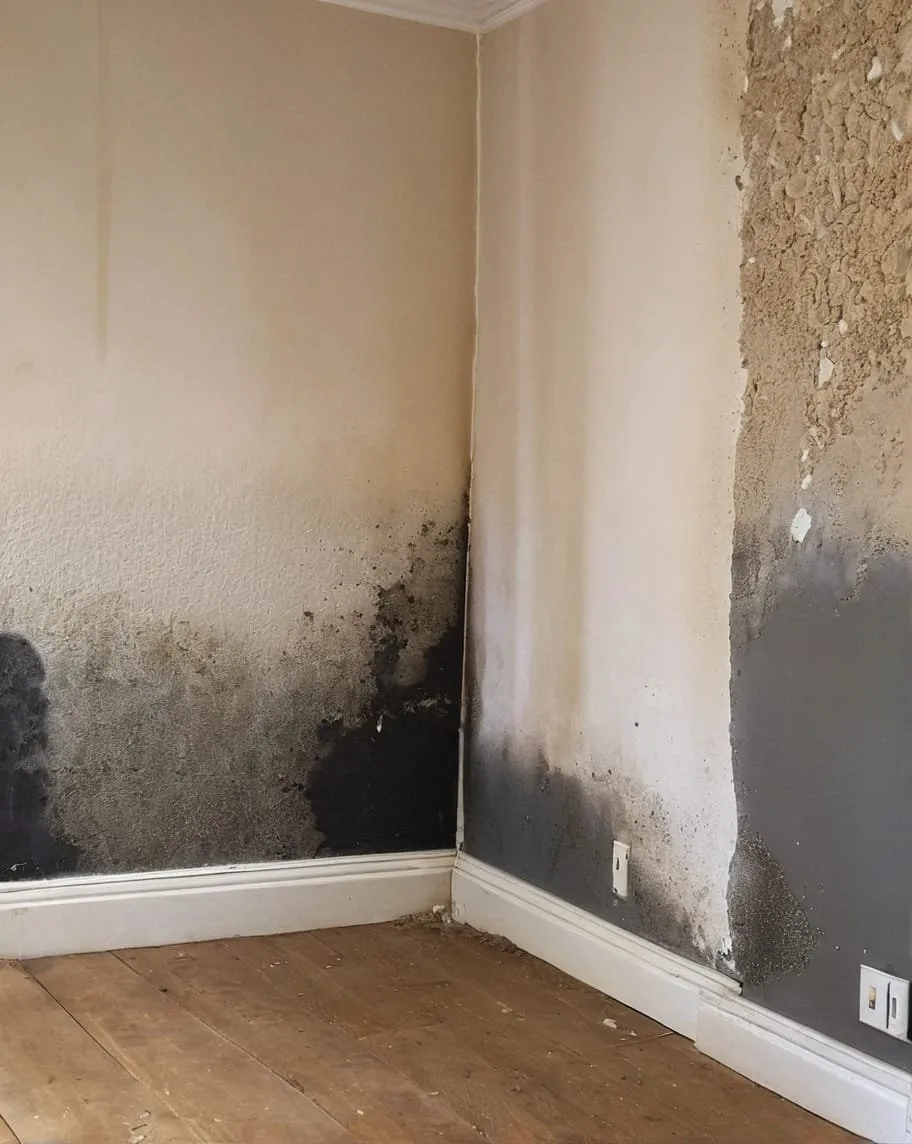
Identify the new area before requesting repeat treatment
Name the surface now affected and compare its position with the earlier treated area. If growth is on another wall or appeared after a covering was removed, describe that difference when enquiring. We assess the present accessible material and explain whether the next visit needs a fresh moisture question or a focused treatment proposal. The earlier service name is useful background, but does not define the work required now. Our mould removal information helps distinguish surface remediation from a wider restoration project, so a new proposal can address the relevant tasks explicitly.
Separate a returning patch from an unfinished repair
When reviewing earlier work, we ask what was actually completed between the first treatment and the latest marks. A recommendation to repair a moisture source is different from confirmation that the repair took place. If the task is still outstanding, tell us that directly. We can discuss the current wall condition while keeping the unfinished action visible, instead of assuming that the property has already had every recommended repair.
Where work was completed, the date and description help us ask a more focused question about what changed afterwards. Growth on the same finish, a newly affected adjoining wall and damage revealed beneath a covering are different observations. We consider them against the earlier treatment area and present evidence. The practical decision is whether the next enquiry needs to address an unresolved source, assess a changed material or consider a genuinely new area. That distinction gives repeat remediation a reason beyond the appearance of another familiar-looking patch.
QUESTIONS FOR THIS VISIT
Before making arrangements
Is recurrence always a sign of poor removal?
It needs assessment in context. Continuing moisture, a changed surface or a repair outside the earlier scope may matter. We review the current condition and available history before discussing a new recommendation, rather than deciding the cause from recurrence alone.
Should I share the previous contractor’s advice?
Yes. Advice, dates and the stated scope can clarify what was considered and what remains incomplete. We use those details as background for the current assessment. Where something was recommended but never carried out, identify it separately from completed treatment.
Can you help if no earlier records exist?
Describe what you remember and indicate where the dates or details are uncertain. Recent photographs and a clear room description still help the enquiry. We can discuss the appropriate assessment without requiring you to reconstruct a precise history that nobody recorded.
What if the new patch is on a different wall?
Tell us its position and how it relates to the earlier area. It may require a fresh surface or moisture question rather than automatically belonging to the previous scope. We consider the wider accessible pattern and explain which areas the proposed visit includes.
Should I repaint before a new assessment?
Discuss the surface as it currently appears first. A fresh covering can change what is visible without answering the moisture question. Painting and material repairs should be planned around the agreed findings and scope, rather than used to decide whether remediation is still needed.
Give the returning patch a clearer history
Contact us about the Notting Hill room with details of earlier treatment and any repairs still outstanding. We can discuss the present assessment question and explain a proposed scope that responds to current evidence, including how the next steps differ from work already completed.
Nearby service enquiries
We also take enquiries in the surrounding areas. Call with the property’s address and affected rooms.