
LONDON PROPERTY CARE
Mould Remediation Dulwich
Changing a room can reveal a mould concern that was previously hidden. We help Dulwich owners assess the exposed surface, review what is known about its history and plan remediation without assuming the new layout caused the problem.
The date of discovery is considered alongside the available evidence.
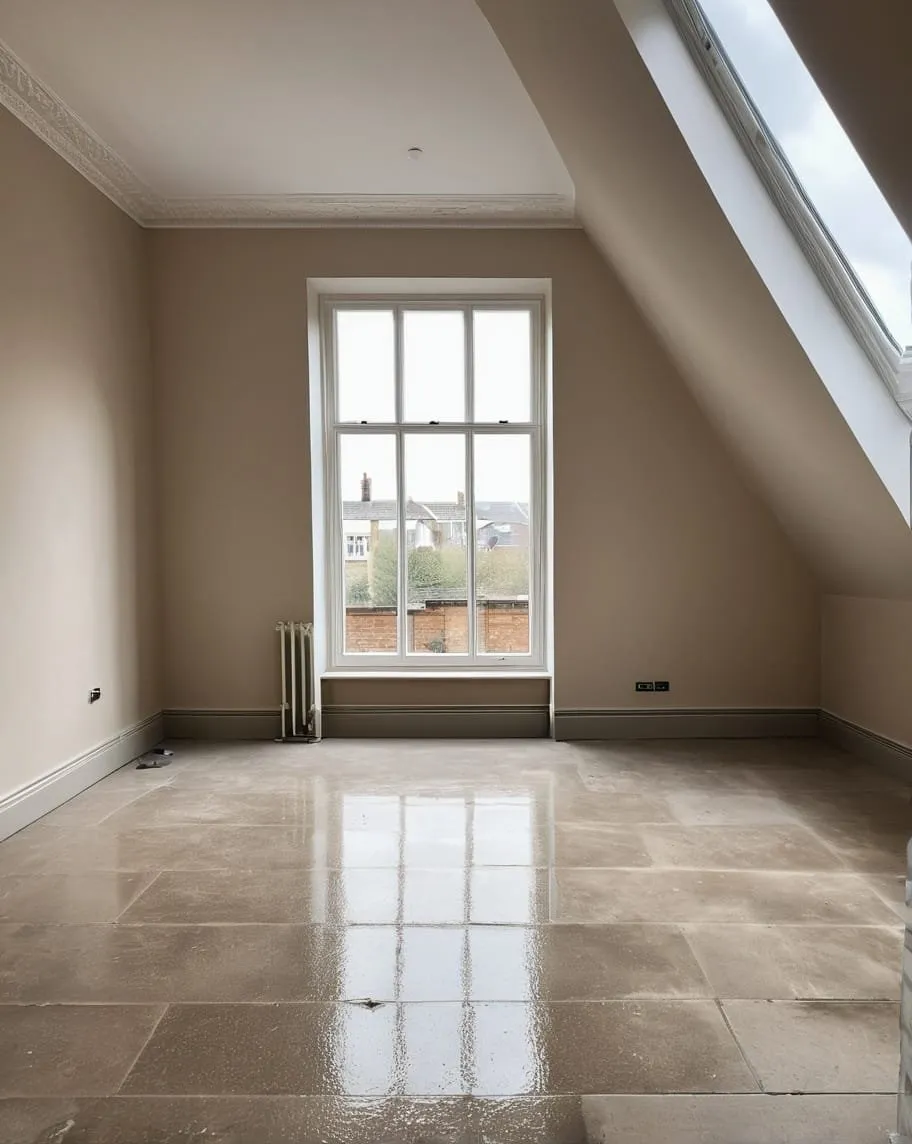
- Assess newly exposed surfaces
- Separate discovery from diagnosis
- Plan treatment with room context
Separate discovering growth from knowing its age
Moving furniture, clearing a room or changing its use can expose a mark that nobody had seen before. We ask what changed and where the growth lies. The discovery date is useful information, but it does not automatically tell us when the condition began or what caused it.
For Dulwich properties, we assess the concern in the room that is now accessible. Earlier photographs or maintenance notes may provide context, but a lack of history should not be filled with guesses. We discuss the visible condition and the questions that remain open.
Record what the room change exposed
Name the item or finish that moved, the surface now visible and any area still hidden. A wider photograph can show the wall and current layout without disturbing damaged material. Keep earlier room images if available, but do not invent when growth began. We discuss the accessible condition before further room changes alter the evidence again.
Our wall mould removal service explains the relevant treatment questions. Damaged finishes may require separate attention. The assessment should distinguish the accessible surface from any concealed material that has not been checked.
Review the room history without blaming the layout
We ask about known leaks, previous cleaning and changes in room use. Furniture position may be relevant to the surroundings, but it should not become a complete explanation simply because the mark was behind an item. The moisture question needs to consider the available evidence.
An agreed damp and moisture inspection can help where the source is uncertain. We discuss its purpose and practical access. That gives the next recommendation a clearer basis than assuming the room change alone explains the condition.
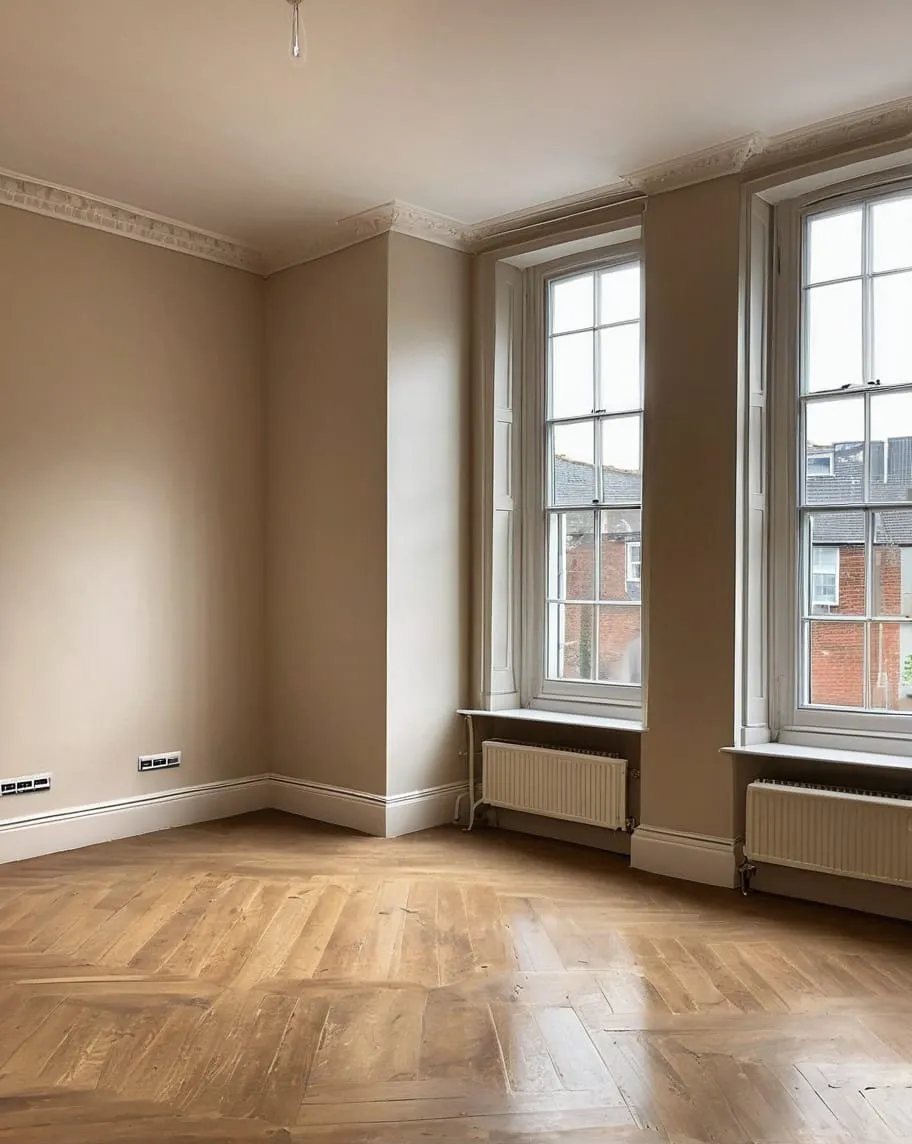
Treat the affected material as an agreed task
Suitable remediation may include anti-fungal surface applications selected in relation to the assessment and material condition. We explain which exposed areas are proposed for treatment. You can understand the work without choosing a product or attempting another home-cleaning experiment first.
Our mould removal information clarifies the service boundaries. Restoring a damaged finish or replacing fitted elements may be separate work. If a refurbishment is underway, tell us the intended sequence so those tasks can be distinguished.
Relate the recommendations to the future room
Where ventilation and humidity are relevant, we discuss them alongside the surface findings. Explain how the room will be used and whether furniture will return to the same position. This provides useful practical context, without treating intended use as proof of the moisture source.
The condensation and mould service provides further information on those room-condition questions. Any recommendation should connect to the assessed concern. If another repair remains outstanding, changing the layout should not be presented as a substitute for addressing it.
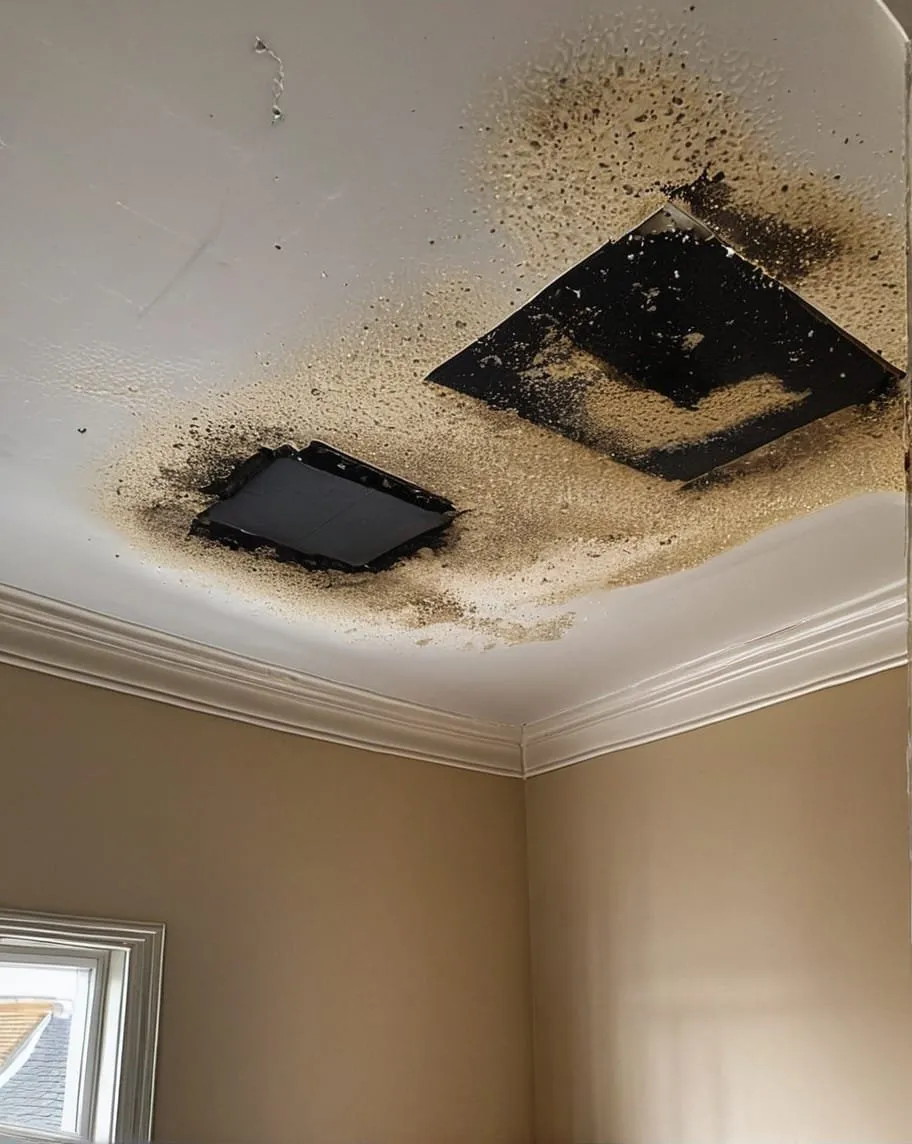
Why we work from the exposed condition
We turn a surprising discovery into an understandable assessment and remediation enquiry. The accessible evidence, professional surface treatment and moisture discussion are connected, while the uncertain history stays clearly uncertain. That helps you decide what to arrange before covering the wall again.
Contact us with photographs of the exposed area and the surrounding room. Mention what moved and any known repairs. We can discuss suitable access and the proposed starting point so the new room plan follows a clearer understanding of the surface concern.
Nearby service enquiries
We also take enquiries in the surrounding areas. Call with the property’s address and affected rooms.
QUESTIONS FOR THIS VISIT
Before making arrangements
Does finding mould after moving furniture mean it is new?
No. The discovery date does not establish when the growth began. We consider the exposed condition and any available history. Earlier images or repair notes may help, but uncertainty should not be replaced with an assumed timeline.
Should I put the furniture back before assessment?
Discuss the access and room arrangement first. The exposed surface may provide useful information. Do not move heavy items simply to stage a photograph; explain what changed and what can currently be reached.
Is the old furniture position definitely the cause?
It may be relevant context, but it is not a complete diagnosis. We consider the moisture history and accessible condition. A concealed patch should not automatically be blamed on one item without assessing the wider question.
Can treatment fit into a refurbishment?
Explain the planned tasks and sequence. We discuss the remediation scope and any outstanding moisture concern so separate repairs or decoration can be arranged clearly. Do not assume all refurbishment work is included in surface treatment.
What makes this enquiry useful before rearranging the room?
It gives you a clearer view of the exposed material, treatment proposed and relevant room conditions. You can then plan the next stage with understood boundaries instead of simply concealing the patch again and hoping the concern has gone.
Tell us what the room change revealed
Explain which furniture or finish moved, what is now visible and any earlier moisture concern. We can discuss a professional assessment and surface treatment plan around the present condition.