
LONDON PROPERTY CARE
Mould Remediation Brixton
A useful mould assessment should help someone make the next decision. We help Brixton owners and managers define the concern, assess the accessible surfaces and understand the proposed remediation well enough to arrange the work that follows.
The assessment purpose guides the proposed service.
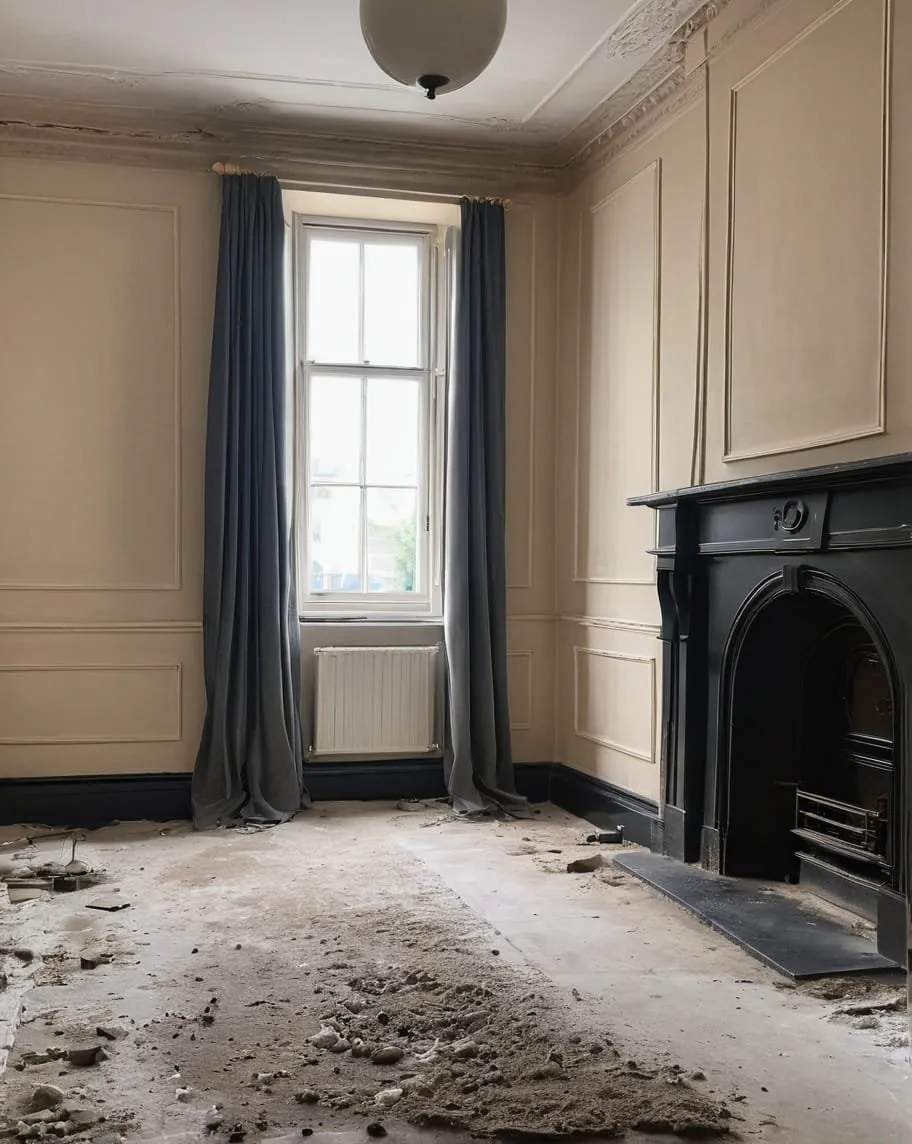
- Define the decision you need
- Assess the relevant surfaces
- Turn findings into clear next steps
Choose the question for the visit
You may need to approve treatment, brief a repair contractor or understand a recurring maintenance request. We ask about that purpose before the visit is arranged. A useful assessment does more than confirm that a photograph shows a mark: it addresses the question behind the enquiry within an agreed scope.
If the source is unclear, explain that you need the moisture concern assessed before treatment. If an earlier assessment exists, give its findings and repairs completed, then describe remaining growth. If another person needs written findings, state their use before booking. We discuss service and access around that question rather than an undefined request to inspect everything.
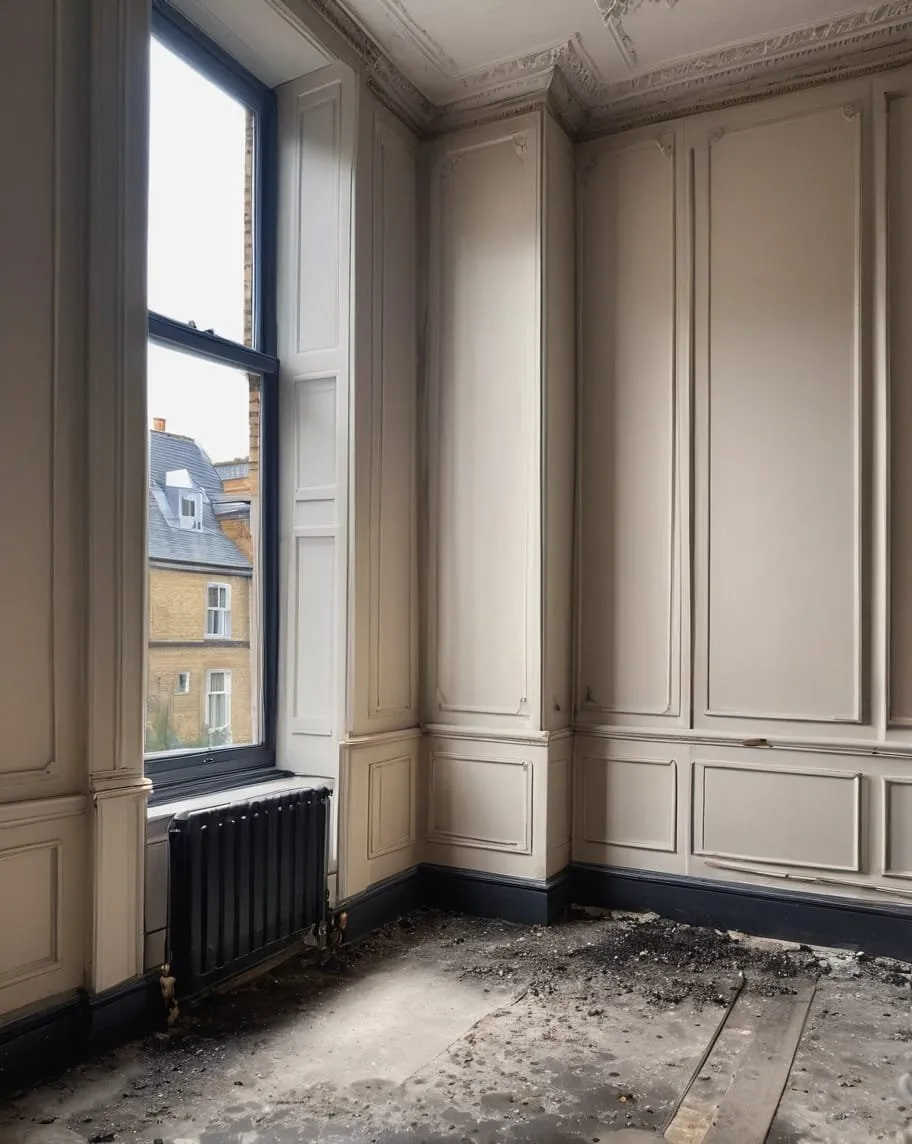
Build the brief from evidence and observations
We ask where growth appears, when it was first noticed and what changes have followed cleaning or repairs. Room photographs can show the layout and access. We distinguish reported history from what is currently visible, avoiding the assumption that an earlier opinion settles every question.
An agreed damp and moisture inspection may help where the source remains unclear. We explain what the visit is intended to address and which areas are accessible. That gives the next recommendation an understandable basis.
Assess the material before proposing surface work
We consider the finish and its condition alongside the visible growth. Damaged paint, loose wallpaper and a sound surface can raise different practical questions. The treatment proposal identifies the affected areas and distinguishes remediation from repair or replacement of materials.
Suitable work can include anti-fungal surface applications, selected with the assessment and material in mind. Our mould removal service explains the treatment purpose. You should understand what is proposed without needing to select a chemical or method yourself.
Make written requirements explicit
If you need findings for a landlord or manager, explain their intended use before agreement. Our landlord assessment and reporting service is relevant to that conversation. A report should have a defined purpose rather than be assumed to satisfy every possible maintenance or tenancy requirement.
Clear wording also matters where access was limited. An unchecked concealed area should not become a confident conclusion in a later email. We explain relevant limits so the person using the findings understands which questions have been addressed and which remain.
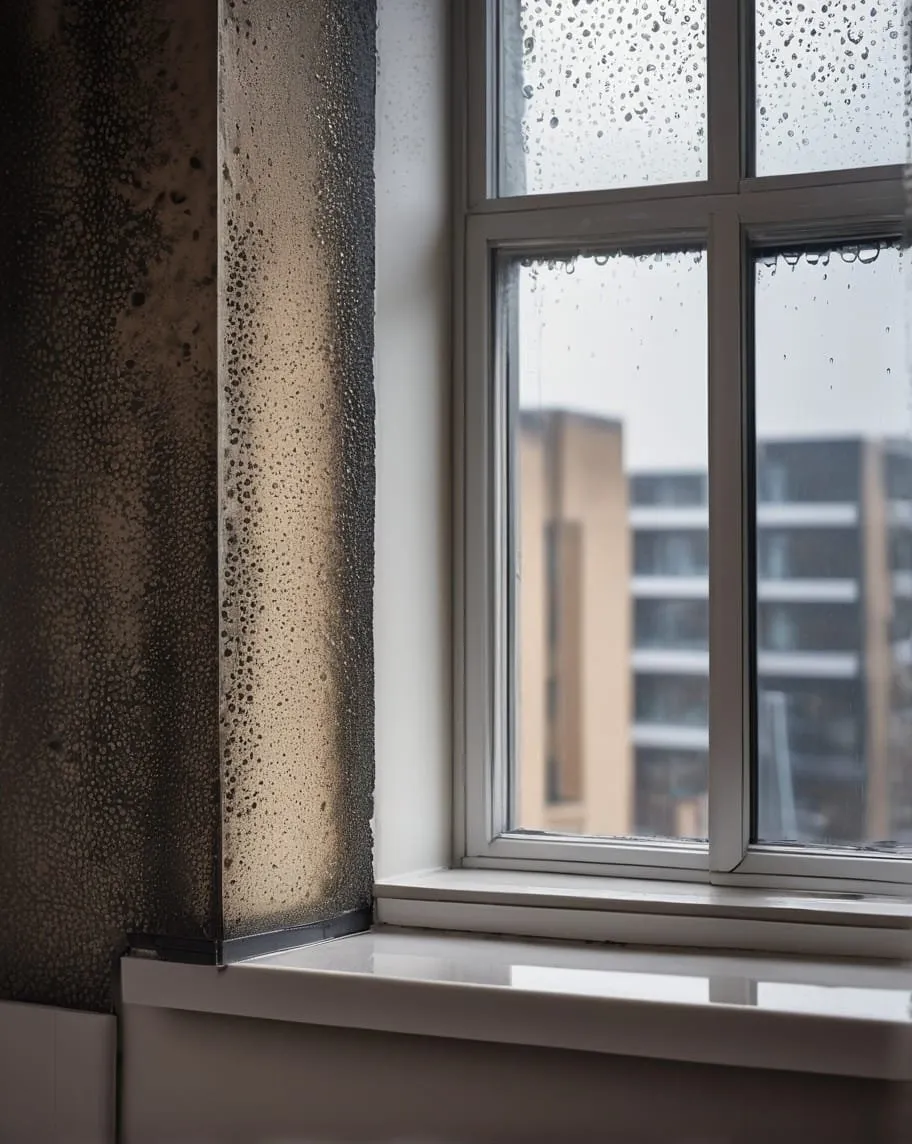
Talk through the property concern
Connect recommendations to responsible action
We discuss any moisture concern that needs attention alongside the proposed treatment. Ventilation and humidity recommendations may be relevant, while another repair or inspection could be needed for a different source. The next step should reflect the findings rather than a generic list of tasks.
Tell us who approves work and who can arrange connected repairs. That helps the enquiry lead to an actionable plan instead of another document with no practical route forward. If a separate contractor is involved, the treatment boundary should be clear enough to share.
Why we explain the findings in plain English
Our approach connects the assessment purpose, surface condition and remediation proposal. That helps owners and managers understand why particular work is suggested. You can ask questions about the scope and arrange the relevant next step without translating a technical label into a maintenance task yourself.
Contact us with the room details and the outcome you need. We can discuss the appropriate starting point and practical access. The aim is a service brief that supports a real decision, with the proposed work and outstanding questions understandable to the people involved.
QUESTIONS FOR THIS VISIT
Before making arrangements
Can I ask for assessment before approving removal?
Yes, explain what you need to understand first. We can discuss an inspection purpose and available access. The next recommendation should follow that question rather than assume a treatment decision has already been made.
What if my manager needs a particular report?
Describe its intended use and any requirements before agreeing the service. Written findings need a clear brief. Do not assume one report format automatically answers every maintenance, tenancy or other decision.
How do you make recommendations practical?
We connect them to the assessed concern and explain the proposed action in plain language. That includes treatment boundaries, relevant moisture advice and any separate question requiring attention, so the responsible person understands the next step.
Can I forward photographs from the occupant?
They can provide helpful context if they show the room and affected surface. Include dates and relevant history where possible. The visit still needs clear access and approval arrangements, and images do not replace assessment.
What should the first Brixton enquiry include?
Give the affected rooms, material condition, known history and decision you need to make. Mention access limits and reporting requirements. Those details help the service proposal address the practical reason you are contacting us.
Nearby service enquiries
We also take enquiries in the surrounding areas. Call with the property’s address and affected rooms.
Tell us what decision is waiting
Explain whether you need treatment, clarity before repairs or written findings for a manager. We can discuss the assessment purpose and surface scope so the enquiry supports a practical next step.