
LONDON PROPERTY CARE
Mould Remediation East Sheen
Ceiling mould needs a plan that accounts for the surface above the room. We help East Sheen owners describe the growth and relevant history, assess accessible finishes and understand the remediation work proposed.
Ceiling treatment follows the assessed condition.
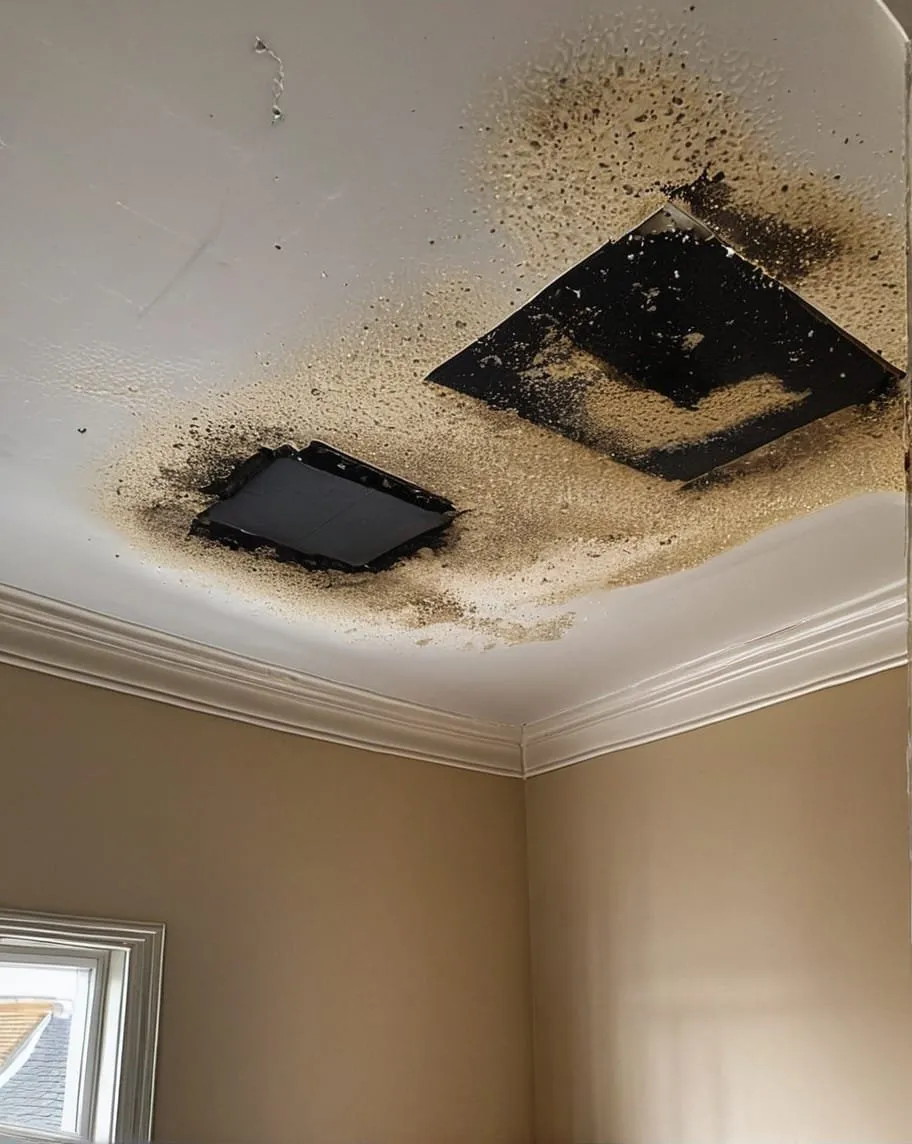
- Review ceiling growth and staining
- Consider the history above the room
- Agree the included surface treatment
Describe the overhead pattern in context
Growth across a ceiling can be difficult to photograph without losing its location in the room. We ask whether it is concentrated near a corner, fitting or a wider section. Include the adjoining walls in a photograph where possible. That gives the enquiry a practical picture of the concern without requiring you to reach or disturb the overhead surface.
For East Sheen properties, we review the room and available history before proposing work. A ceiling mark may raise questions about room conditions, a known incident or the area above. Its position provides context, but it is not a complete diagnosis on its own.
Check the finish and discuss access
We consider whether the paint is sound, peeling or stained and ask about any visible material damage. The treatment scope needs to identify the affected ceiling surface and practical access. You should not scrape loose material or remove fittings simply to prepare an enquiry.
Our ceiling mould treatment service explains the relevant surface questions. Repairing a damaged finish and addressing visible growth may be different tasks. We discuss those boundaries so the proposed work is understood before you arrange decoration or another repair.
A ceiling can have two separate histories
Describe the room with visible growth and any known event above it. Give a repair date and purpose where known, and identify who controls access to the connected space. We discuss the interior finish while keeping unassessed areas clear. This helps distinguish surface treatment from an unresolved moisture question without asking you to enter the area above.
An agreed moisture inspection can help where the source is uncertain. Mention if access to the area above is controlled by someone else. The inspection needs a realistic scope, with relevant limitations explained rather than an assumption that concealed spaces have been checked.
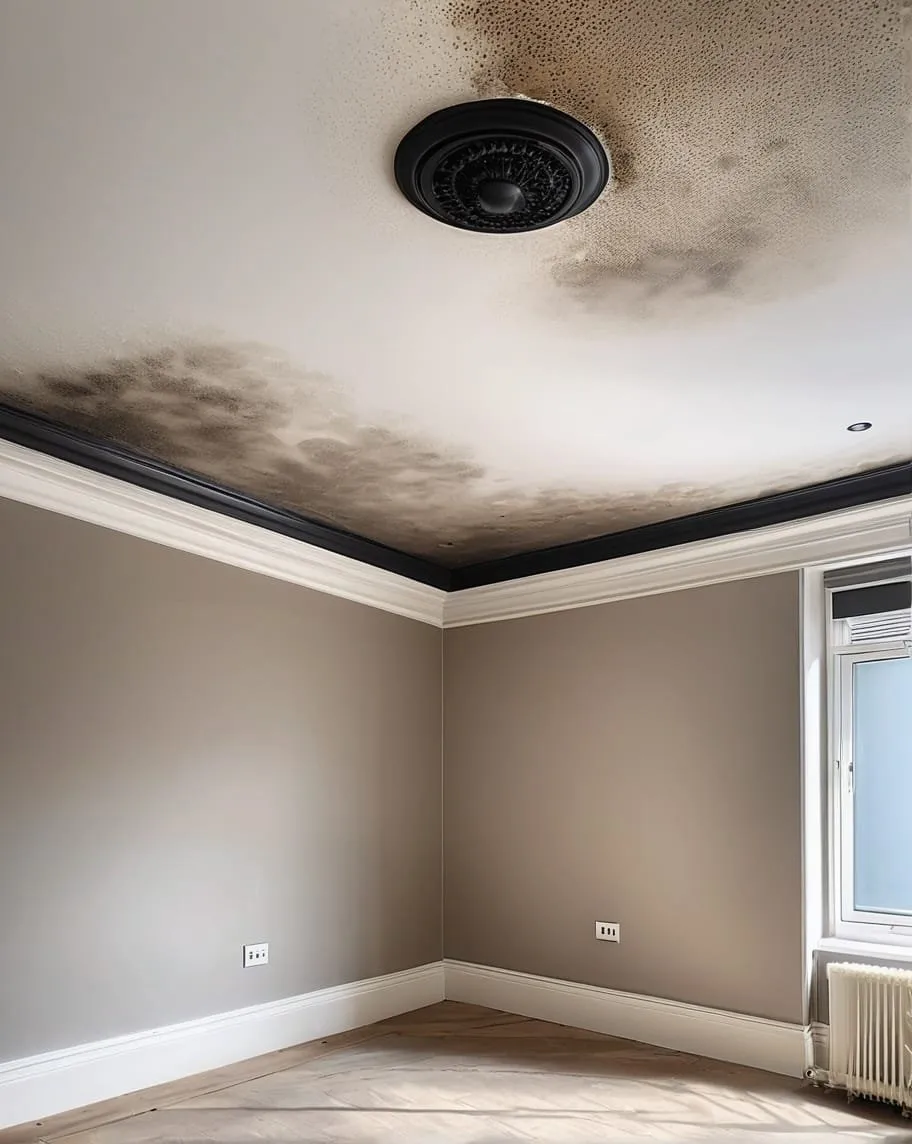
Talk through the property concern
Treat the included surface appropriately
We discuss remediation in relation to the ceiling material and findings. Suitable surface treatment may include anti-fungal applications to the affected area. The work is selected around the assessment; it is not a product recommendation based only on the darkness of a photograph.
The mould removal service addresses the agreed growth concern. It should not be confused with replacement of damaged ceiling material or repair of a water source. A clear proposal helps you arrange those connected tasks with their own responsibilities understood.
Explain conditions that may need attention
Where ventilation and humidity are relevant, we discuss them alongside the ceiling observations. Prevention advice should relate to the room, not blame an occupant or assume every overhead patch has the same explanation. If another building question remains, we explain that too.
Keep the treatment and repair dates together afterwards. A new mark in the same location is easier to discuss when the history shows what has changed. Useful follow-up information includes its position, timing and any further water incident, rather than only a close-up with no room context.
Why we keep the ceiling and cause separate
We bring the accessible condition, surface work and moisture question into one understandable plan. That helps an owner decide what to arrange first, especially when another contact controls the space above. You can understand what remediation addresses and which concern may require a separate check.
Contact us with the room details and known history. We can discuss the appropriate starting point without asking you to identify the mould or reach the ceiling yourself. The aim is a defined treatment scope supported by a clear explanation of the evidence and remaining questions.
QUESTIONS FOR THIS VISIT
Before making arrangements
Should I try to reach the ceiling for a close-up?
Do not put yourself at risk or disturb materials for the initial enquiry. A room photograph and a clear description of the affected position can be useful. Practical access requirements should follow the agreed visit.
Is a ceiling stain definitely a leak from above?
Its position can raise that question, but it does not establish the cause by itself. We discuss known incidents, room conditions and accessible observations. The assessment should distinguish the evidence from assumptions about concealed areas.
Does treatment replace damaged ceiling material?
Not automatically. Surface remediation and repair or replacement are separate tasks. Describe any damage and check the proposal so you understand which work is included and which related job may need another arrangement.
Can another occupant need to provide access?
Yes, if a relevant connected space is controlled separately. Explain the arrangement before the visit. The scope should reflect available access and identify any limitation affecting the moisture question.
What helps if ceiling mould comes back?
Keep the treatment date, any subsequent repairs and photographs showing the same location. Explain what changed since the work. That provides useful context for a new assessment rather than treating the recurrence as an entirely new enquiry.
Include the ceiling history when you call
Tell us where the growth sits, whether the finish is damaged and what is known about the space above. That information helps us discuss the assessment and treatment purpose clearly.
Nearby service enquiries
We also take enquiries in the surrounding areas. Call with the property’s address and affected rooms.