
LONDON PROPERTY CARE
Mould Remediation Mortlake
A crowded or partly accessible room needs a realistic plan. We help Mortlake enquiries describe the mould concern, arrange the access that matters and agree surface treatment with a clear account of inspection limitations.
Available access is part of the plan.
- Identify reachable surfaces
- Discuss practical preparation
- Keep the treatment scope achievable
Describe the obstacle as well as the growth
An enquiry may concern a patch behind a bed, in a locked room or beside a fitted cupboard. We ask what can be reached and what prevents a useful view. That information is part of planning the service, not a reason to make assumptions about the concealed surface.
For Mortlake properties, we discuss the practical situation before the visit is arranged. You may have enough access for an initial assessment or need further preparation. The decision should follow the actual concern rather than a general instruction to empty every room in the home.
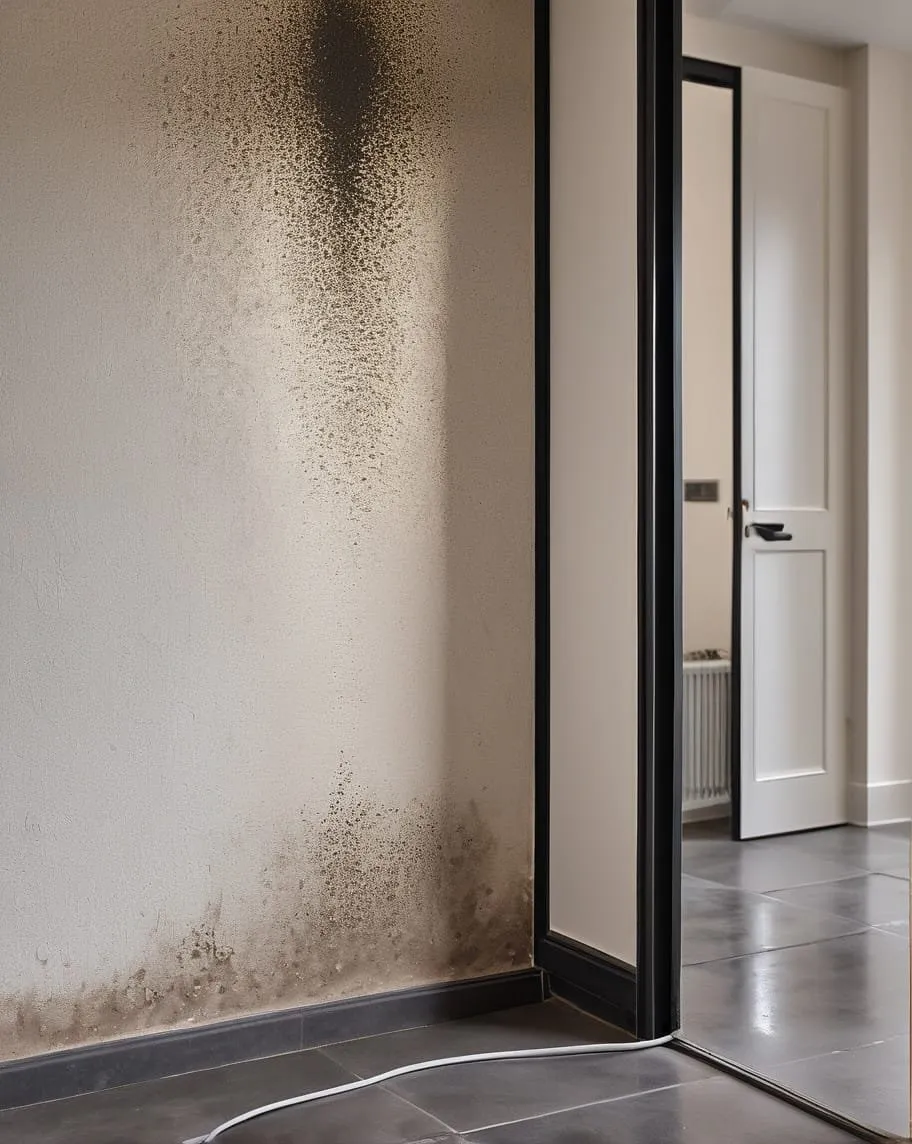
Describe the kind of access problem
We explain which included surfaces need to be accessible and ask whether moving items requires help or permission. Do not disturb materials or move heavy furniture simply to improve an enquiry photograph. A wider room image and description of the obstacle can provide useful context initially.
Say whether the obstacle is movable furniture, a fitted element or a room controlled by someone else, and how much surface is visible. We discuss whether the proposed visit can answer the question or another arrangement is needed. Do not move heavy furniture or dismantle fittings for an enquiry photograph. Preparation follows the agreed assessment or treatment.
Inspect what the agreed visit can include
We assess the accessible growth and condition of the relevant finishes. Where part remains concealed, the findings should distinguish the observed surface from the unchecked area. We can explain how that boundary affects the recommendation and whether another access arrangement may be needed.
Our damp and moisture inspection service is useful when the source is uncertain. Explain which question needs answering. The assessment scope should reflect that purpose rather than claim to establish the condition of the whole building from one accessible section.
Agree treatment on identifiable materials
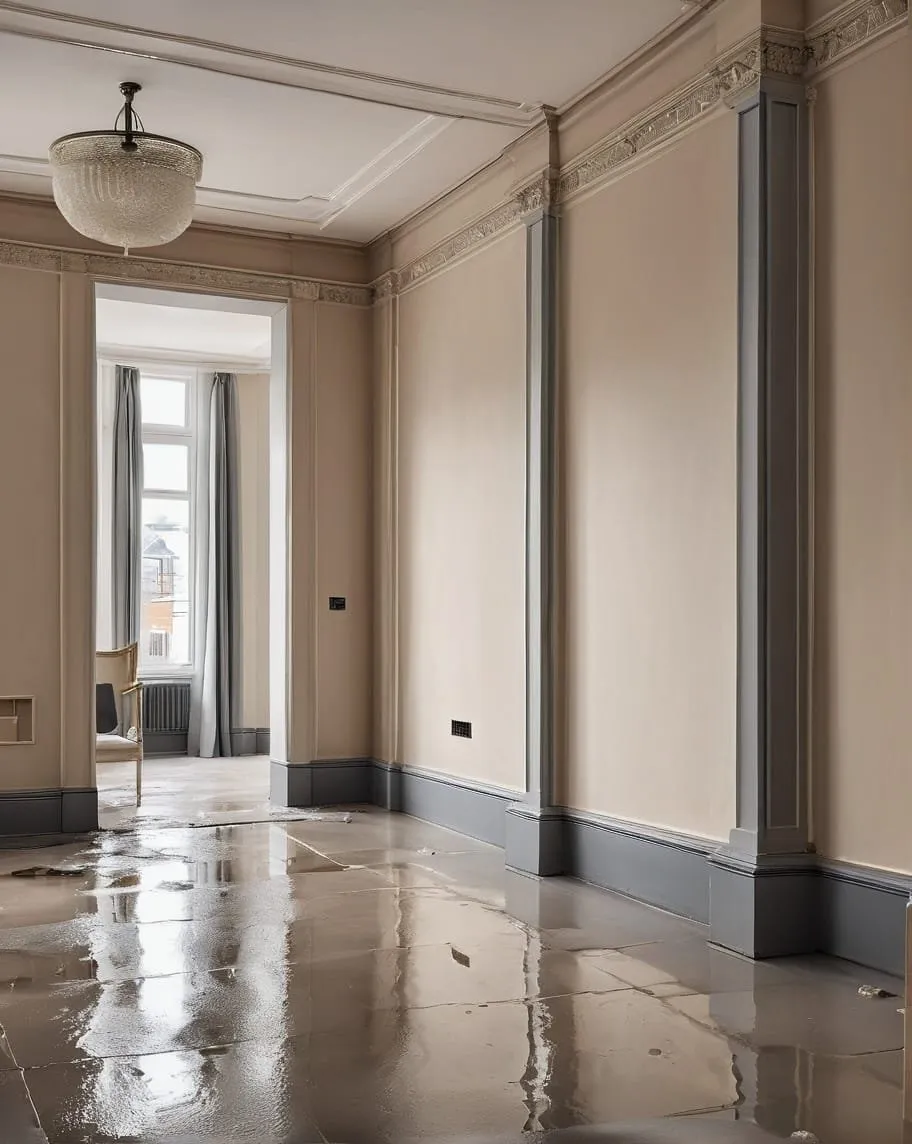
We discuss the material condition before proposing remediation. Appropriate treatment can include anti-fungal applications to the agreed affected surfaces. The proposal needs to say which areas are included so you can understand the task even when another section remains inaccessible.
Read about wall mould treatment where walls are the main concern. Surface remediation is different from dismantling fitted storage or repairing every damaged finish. Any such work should have a clear responsibility and scope rather than be silently assumed.
Keep the moisture question in view
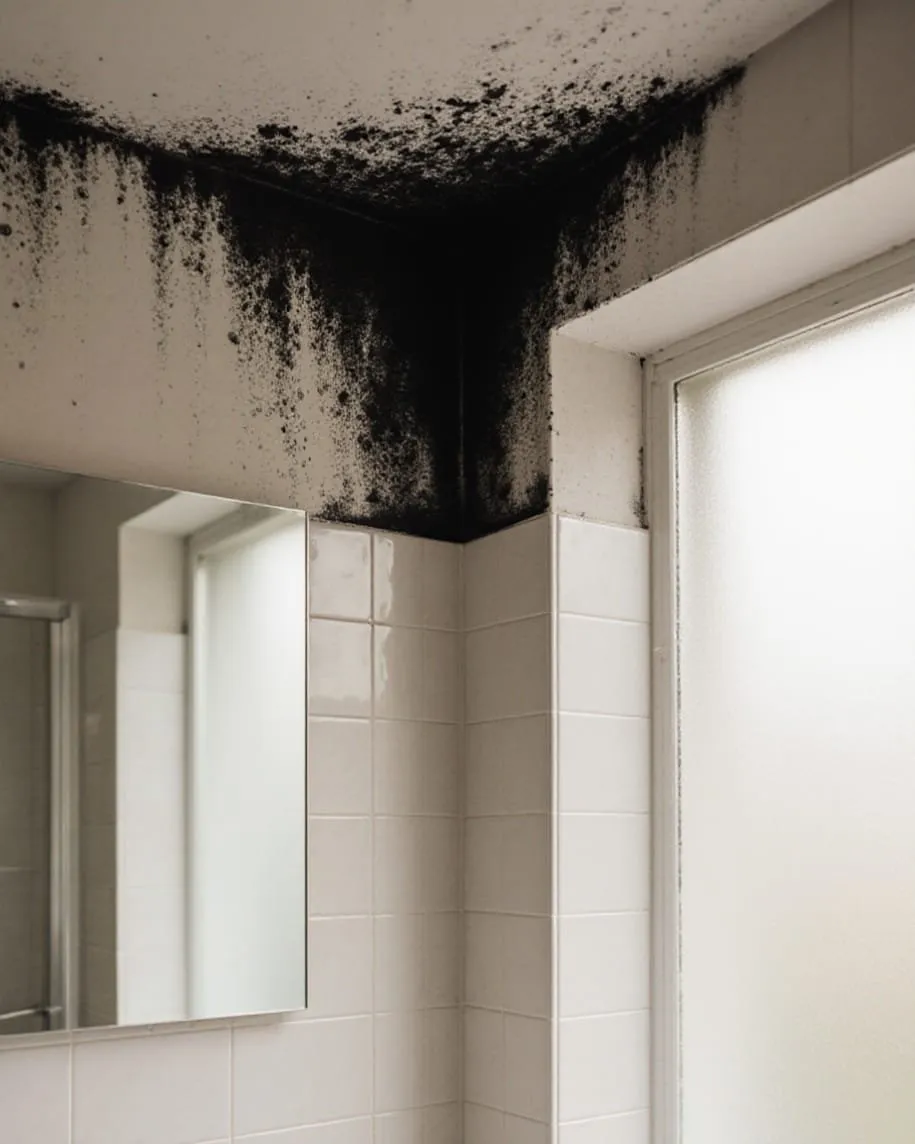
Limited access does not make room conditions irrelevant. We ask about known incidents, recurring growth and noticeable moisture around nearby surfaces. Where ventilation or humidity questions are relevant, we consider them with the available evidence and explain their relationship to treatment.
Our condensation service information can help frame that conversation. We do not automatically label a hidden patch as condensation because furniture stands nearby. The recommendation needs to follow the evidence and acknowledge what could not be checked.
Why a realistic plan is more useful
We help turn an awkward access problem into a defined professional enquiry. You know what preparation matters, which surface work is proposed and what limits remain. That makes it easier to arrange the job and avoids a vague expectation that a visit will cover everything regardless of access.
Contact us with the affected room and a short explanation of the obstruction. Mention whether the space is occupied and who approves any preparation. We can discuss a practical starting point that considers the surface concern without requiring you to diagnose or dismantle the room yourself.
Nearby service enquiries
We also take enquiries in the surrounding areas. Call with the property’s address and affected rooms.
QUESTIONS FOR THIS VISIT
Before making arrangements
Can I enquire before moving furniture?
Yes. Describe the item, visible area and available access. Photographs with room context can help. Preparation should relate to the agreed visit rather than involve moving heavy objects simply to prove that mould is present.
What if one relevant room is locked?
Explain who controls access and whether entry can be arranged. The scope needs to reflect the areas available. A room cannot be treated as assessed merely because an adjoining space is accessible.
Will you list areas that were not checked?
Relevant inspection limitations should be explained so the findings are understood correctly. That helps you decide whether further access or assessment is needed before extending the treatment scope to concealed or unavailable surfaces.
Is furniture removal part of wall remediation?
Do not assume it is. Discuss the preparation and responsibilities before agreement. Treatment of a wall, moving contents and dismantling fitted items are different tasks, and the arrangement should make their boundaries clear.
Can a limited visit still inform my decision?
It can, if the purpose and boundaries are agreed. Accessible evidence may support a useful recommendation or identify the next question. The important point is to understand what the visit addresses and what remains outside it.
Start with the access you have
Tell us where the growth sits and what prevents access. We can discuss the preparation relevant to the visit instead of asking you to clear or alter the entire room without a defined purpose.