
LONDON PROPERTY CARE
Mould Remediation Teddington
We plan mould treatment so you can understand the work and recognise meaningful changes afterwards. For Teddington properties, that means assessing the surface, explaining remediation and keeping the moisture recommendations specific enough to use.
Follow-up observations have a clear starting point.
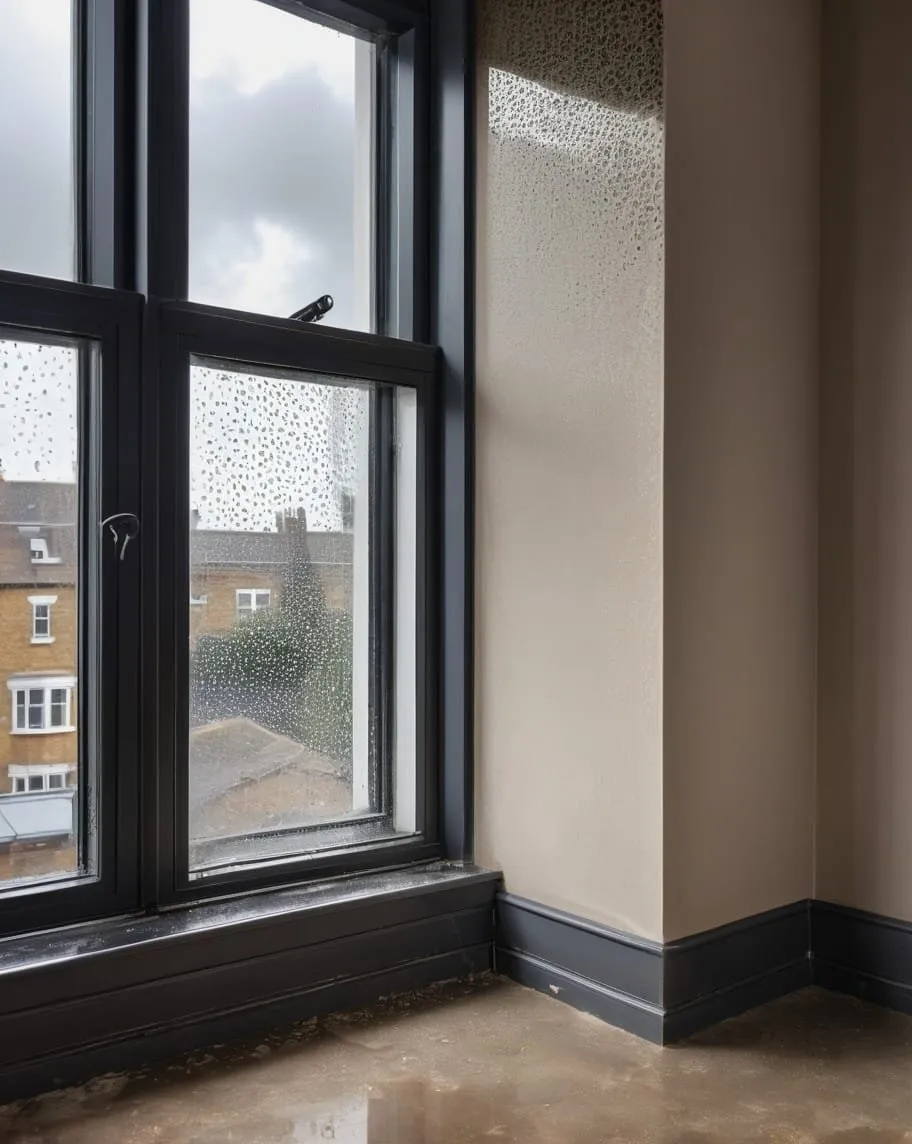
- Record the condition being treated
- Explain practical moisture advice
- Keep later changes in context
Establish the starting condition clearly
When a mark changes slowly, memory can become an unreliable record. We ask where the visible growth lies, what the finish looks like and when you first noticed it. A dated photograph with room context can help establish the condition that the enquiry concerns. It is a practical aid, not a substitute for assessment.
We discuss Teddington properties on that basis rather than rely on a broad description such as damp everywhere. Clear starting information helps us define the accessible surfaces and the question to be answered. It also makes later observations easier to relate to the work that was actually agreed.
Review the history without repeating assumptions
We ask about earlier treatment, repairs and changes to the room. If you have been given a cause before, explain what evidence or work accompanied that advice. The current assessment needs to consider the present condition, while using the history to understand which questions may still be open.
Our moisture inspection service can be relevant where the source remains uncertain. We agree the purpose and available access. A useful assessment explains the observations and limitations so the next step does not rest on an unsupported conclusion.
Explain how the surface work addresses growth
We consider the material and condition when proposing remediation. Suitable treatment may involve anti-fungal applications to the agreed affected surfaces. The approach follows the assessment rather than a product selected solely from a photograph. We explain what the work is intended to address.
Our mould removal information distinguishes that task from all related repairs. If the finish is damaged or replacement is being considered, discuss it separately. A clear surface scope gives your follow-up record something more precise than a note that the room was treated.
Make prevention advice relate to the room
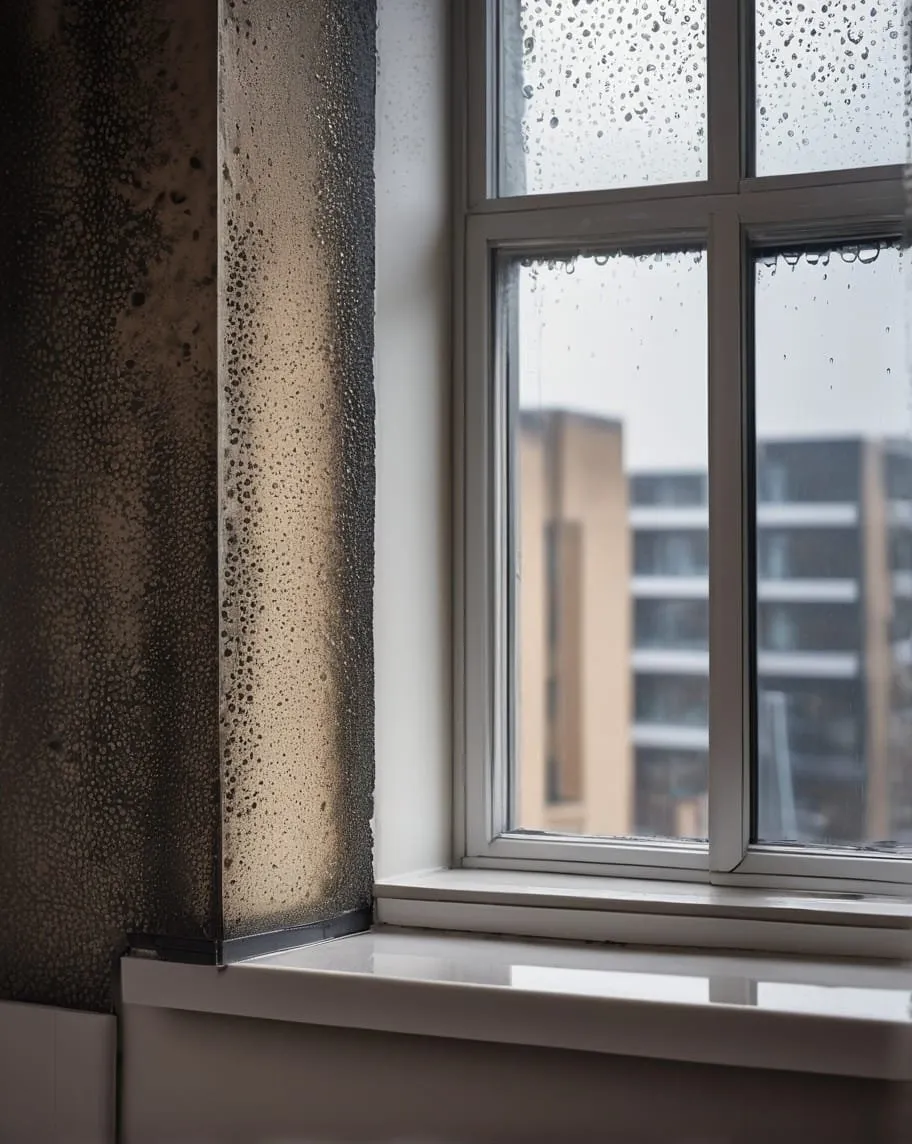
We discuss the moisture conditions relevant to the findings, including ventilation and humidity where appropriate. Practical recommendations should connect to the assessed concern. That helps you understand why a change is suggested instead of receiving a long list of generic habits with no relationship to the surface.
Our condensation and mould treatment service explains this connection. Where a different source or repair question remains, we make that clear. Monitoring after treatment should not become an excuse to leave a known unresolved issue without a plan.
Describe a later change consistently
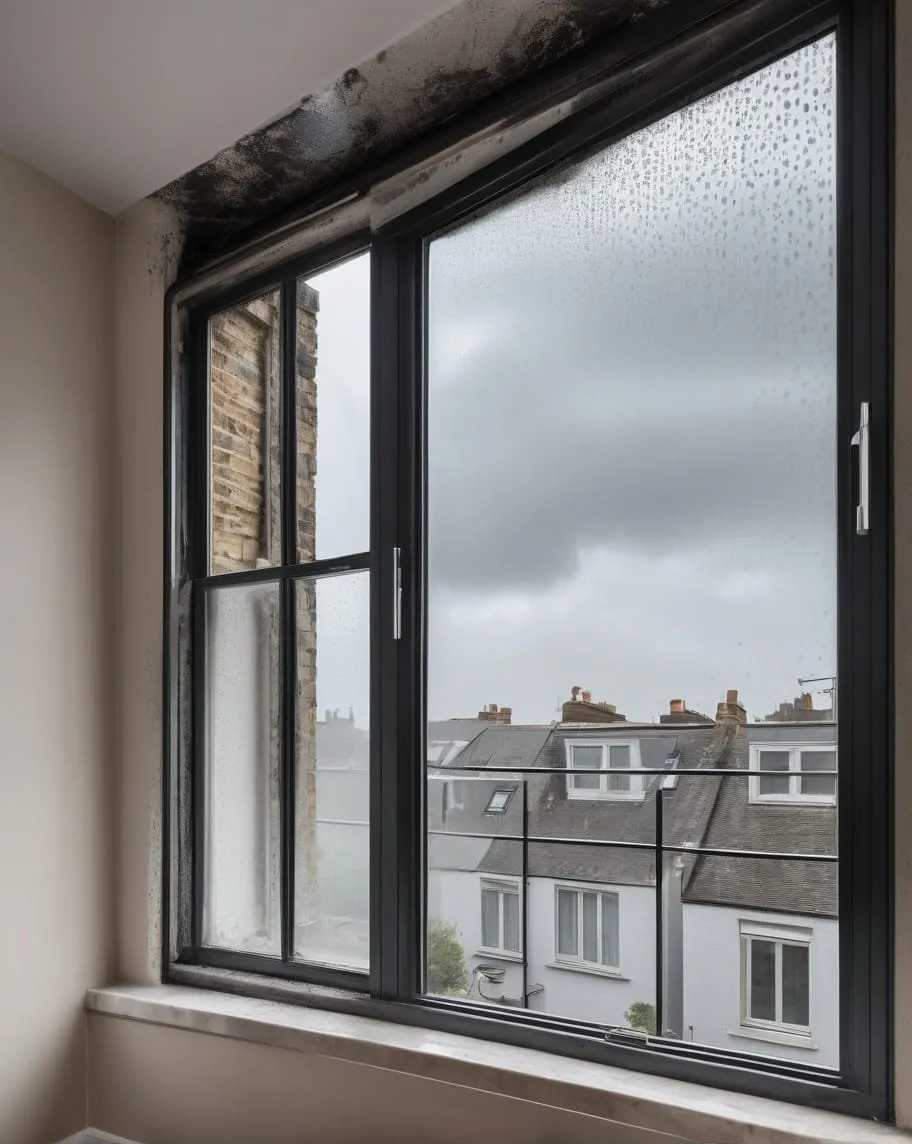
After the work, note any renewed growth and the date it appears. Record separate repairs too, because they may alter the conditions around the surface. A photograph of the same area from a similar position can show change more clearly than an unrelated close-up taken weeks later.
Use the same room name and surface position in a later photograph. Note the date, type of change and any repair or room change since treatment. Describe a damp stain, finish damage and visible growth separately. Say whether it lies inside the earlier treatment area or elsewhere. This gives a further enquiry context without requiring a technical diary.
Why continuity improves the next decision
Our approach links the original surface condition to treatment and the moisture discussion. That makes it easier to understand what a later change means for a new enquiry. We avoid presenting follow-up as a guarantee that growth can never return; it is a way to keep useful evidence available.
Contact us with the affected room and any existing photographs or repair notes. We can discuss the professional starting point and explain the proposed tasks. If the same concern has already been treated, the history helps us focus on what remains uncertain rather than start the conversation from scratch.
Nearby service enquiries
We also take enquiries in the surrounding areas. Call with the property’s address and affected rooms.
QUESTIONS FOR THIS VISIT
Before making arrangements
What should I record after treatment?
Note the date and location of any renewed mark, plus relevant changes or separate repairs. A photograph from a consistent position can help. The record should be simple enough to use and specific to the surface that was treated.
Does monitoring replace a moisture repair?
No. If a relevant repair or investigation remains outstanding, that needs its own action. Monitoring helps describe changes; it should not turn an unresolved source into something that is merely watched indefinitely.
Can earlier photographs help the assessment?
Yes, particularly if the surface has since been painted, cleaned or exposed by moving furniture. We consider them with the current accessible condition. A photograph alone does not establish every aspect of the material or moisture source.
Will I receive identical advice to every other property?
Recommendations should relate to the concern assessed. Ventilation, humidity or repairs may be relevant in different ways. We explain the practical reason for the suggested next step rather than treat every room as having the same conditions.
Why is a treatment baseline useful?
It makes later observations easier to connect to the agreed work. You can show what changed, where and after which repairs. That gives a further enquiry more useful context than an uncertain memory of how the wall used to look.
Start with a record you can use
Tell us what has changed and any earlier work already recorded. We can discuss the treatment concern with a useful baseline, making the next decision easier if the surface changes again.