LONDON PROPERTY SERVICES

Landlord Mould Assessment Reports London

A useful mould assessment record explains the condition of the property and the recommended next steps. We discuss the report’s purpose, access and scope before a landlord or managing agent books a visit.

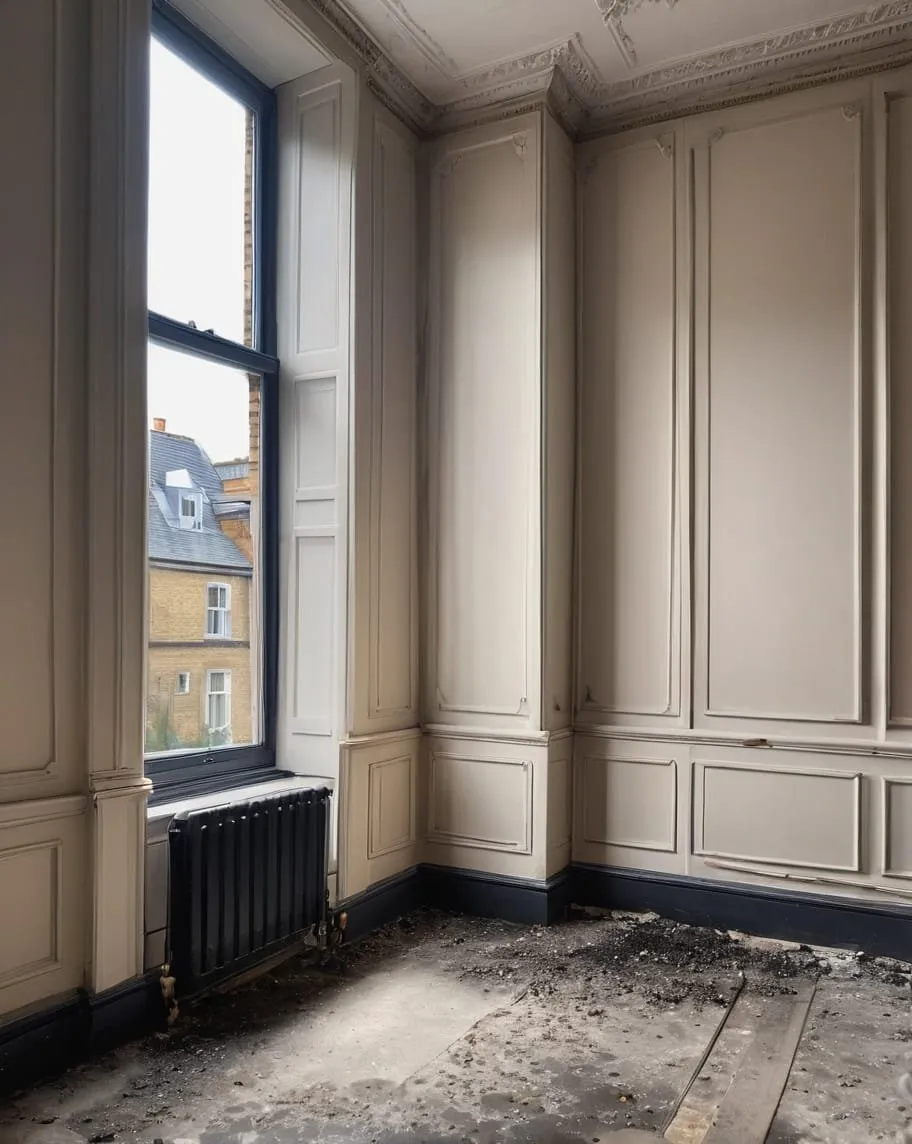
Painted wall panelling and a window inside a property
  • Gather occupant observations
  • Define the report’s purpose
  • Record findings and recommended work

ON THIS PAGE

Give the property concern a clear record

When a tenant reports mould, a photograph may be the first information a landlord receives. It can show where the growth is visible without explaining the moisture source or the extent of the problem. An assessment gives the concern a more useful context, particularly when several people are involved in arranging access, repairs and treatment.

Our landlord mould assessment service is available for London rental properties and managed homes. We discuss the intended report before booking, because a maintenance record and a document for another purpose may have different requirements. The aim is to explain the observed condition and practical next steps in clear language, with the limits of the assessment made visible.

Our Clapham rental-property guide connects the occupant’s observations with the person approving the work. Where several addresses have been reported, the Redbridge guide to separate property enquiries helps keep each room, moisture concern and repair history separate before arranging assessment.

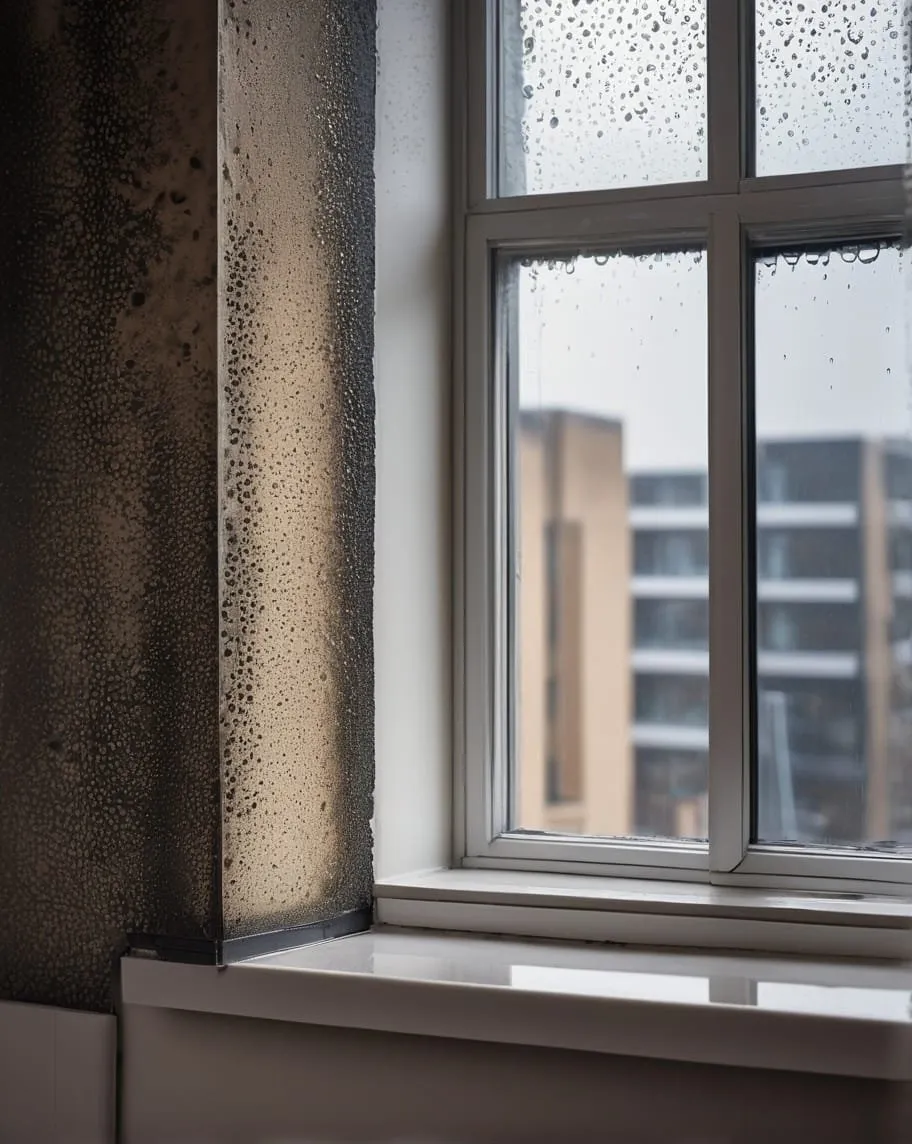
Mould on a wall reveal beside a window

Begin with the tenant’s observations

The person living in the property may know when the marks first appeared, which rooms are affected and how the problem changes. Those observations are valuable background. Ask for the history without assuming that the tenant caused the issue. Moisture concerns can involve building defects, ventilation, surface temperatures and other conditions that require proper investigation.

Collect photographs showing the room and the affected area, along with records of previous leaks or repairs. Note whether earlier treatment changed the problem and for how long. An accurate history helps the assessor examine the current concern rather than repeat a claim from an old email. You do not need to reach a diagnosis before arranging the visit.

Agree the questions the written record needs to answer

Explain who will use the report and what decisions it needs to support. You may want a record for the property file, findings for a managing agent or recommendations to help arrange maintenance. Ask about the available format, included areas and any reporting limits before you book. This prevents a general visit being mistaken for a document with a different purpose.

Tell us which rooms need assessment and who will use the findings. We discuss the observed growth, accessible moisture evidence and recommended next tasks, including further inspection or separate repair. The record’s purpose and limitations should be clear before booking. If the request involves a particular format or information for another party, provide those requirements so we can confirm what the service can supply. A maintenance assessment should not be assumed to provide legal, structural or insurance conclusions.

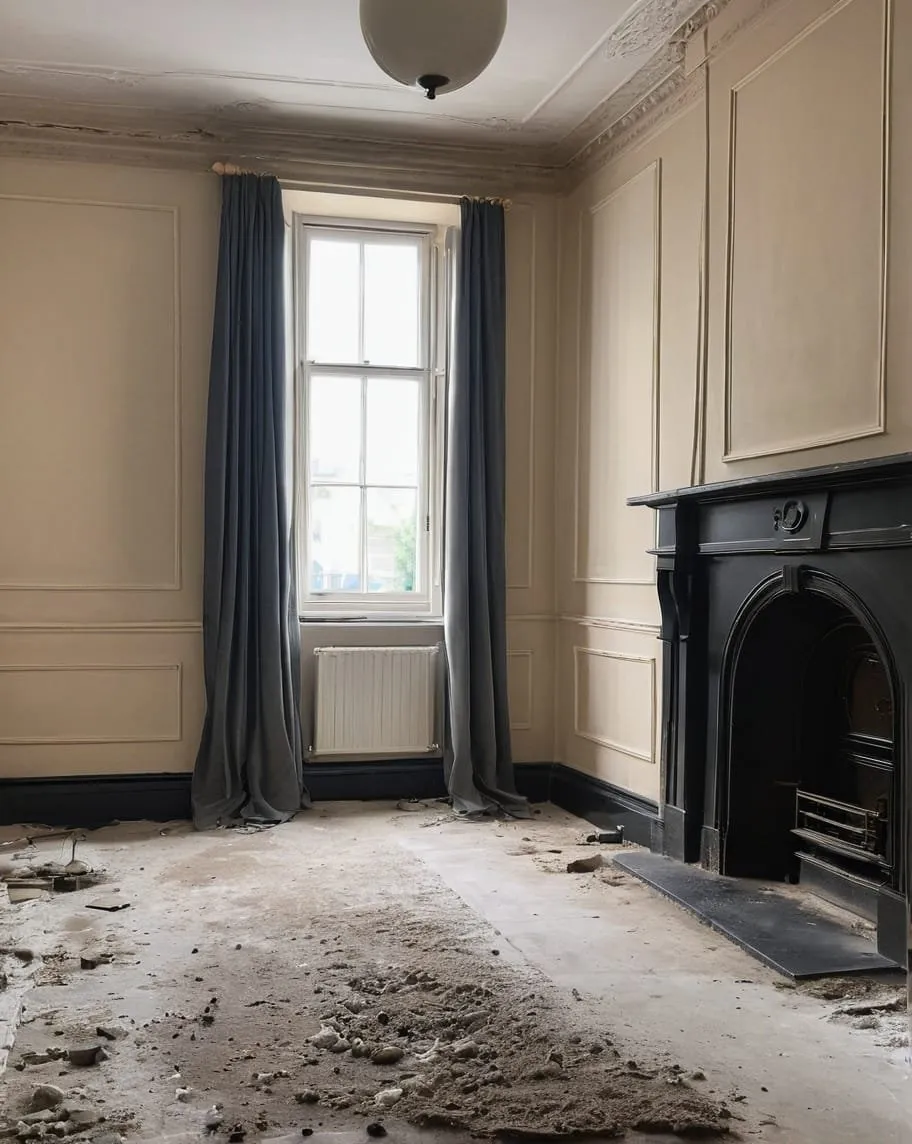
Room with a fireplace, a tall window and debris on the floor

THE PROPERTY IN CONTEXT

Look beyond the visible mark.

The affected material, the location and the history of moisture all help guide the next step. Tell us how the area has changed and what repairs have already been attempted.

Access and permissions

Confirm who is arranging access and make sure the agreed visit is communicated to the occupant. Mention rooms that are locked, concealed areas and any shared part of the building that may be relevant. For flats, an external repair concern may involve a freeholder or managing agent. Those arrangements can affect what is checked and what can happen after the findings.

The report should distinguish accessible observations from areas that were not inspected. If the ceiling is beneath another property or a wall adjoins a communal space, further access may be needed to investigate the source. Being clear about this is more useful than assuming that an inspection of one room confirms the condition of every connected part of the building.

Findings, recommendations and separate work

The assessment considers visible growth, surface condition and moisture context. The explanation should separate what was observed from what appears likely and what remains uncertain. Recommendations may concern treatment, further investigation or separate building repairs. That distinction gives the landlord and tenant a clearer understanding of the next action.

Mould removal is not a substitute for resolving a leak or other continuing moisture source. If several tasks are linked, discuss the order in which they should be arranged. A written record can help coordinate that plan, but it does not carry out the repair by itself. Keep the focus on the property condition rather than treating the report as the end of the response.

Keeping the management record useful

Retain the assessment, photographs and details of work completed. If the problem returns, note the date and location rather than simply repeating that the property was treated before. This helps a later inspection understand what changed and what may still be unresolved. The record is most useful when it connects observations with actions.

Communicate the recommended next steps in plain language to the people involved. If another trade needs access, explain the reason for the visit and the area concerned. Avoid making promises about permanent removal when ongoing moisture conditions have not been addressed. A realistic treatment scope and a clear follow-up plan are more useful than a general reassurance that the property has been dealt with.

Choosing the right visit

If the concern is broad or the moisture source is unknown, a damp survey may be a suitable starting point. Condensation treatment may be relevant where the assessment points to recurring moisture on cold surfaces. Black mould removal can be discussed once the treatment requirement is clearer. Related services should support the report findings rather than appear as an automatic package.

Cost depends on the property, the areas affected, access and the reporting scope. Describe these details when you call. For independent landlord guidance, see the government’s damp and mould resources linked below. We do not use a service page to replace legal advice about a particular tenancy or the responsibilities of a particular housing provider.

Landlord report questions

Can the tenant arrange the initial call?

They can describe the concern. Access and approval for work should be discussed with the responsible property contact so everyone understands the arrangements.

Can you confirm the tenant caused the mould?

An assessment should examine the evidence, not begin with blame. Building and moisture conditions need consideration before conclusions are drawn.

Should I send an earlier report?

Yes, mention any documents you have. They provide background, while the current property condition and the scope of the new assessment remain important.

Independent guidance for landlords: GOV.UK damp and mould resources.

Discuss your London property

Call with your location, the affected rooms and the history of the concern. We’ll discuss the appropriate next step and the scope you need.