LONDON PROPERTY SERVICES

Ceiling Mould Treatment London

Ceiling mould can be linked to condensation, a leak or another moisture concern. We look at the pattern and the condition of the finish before discussing treatment and any further investigation.

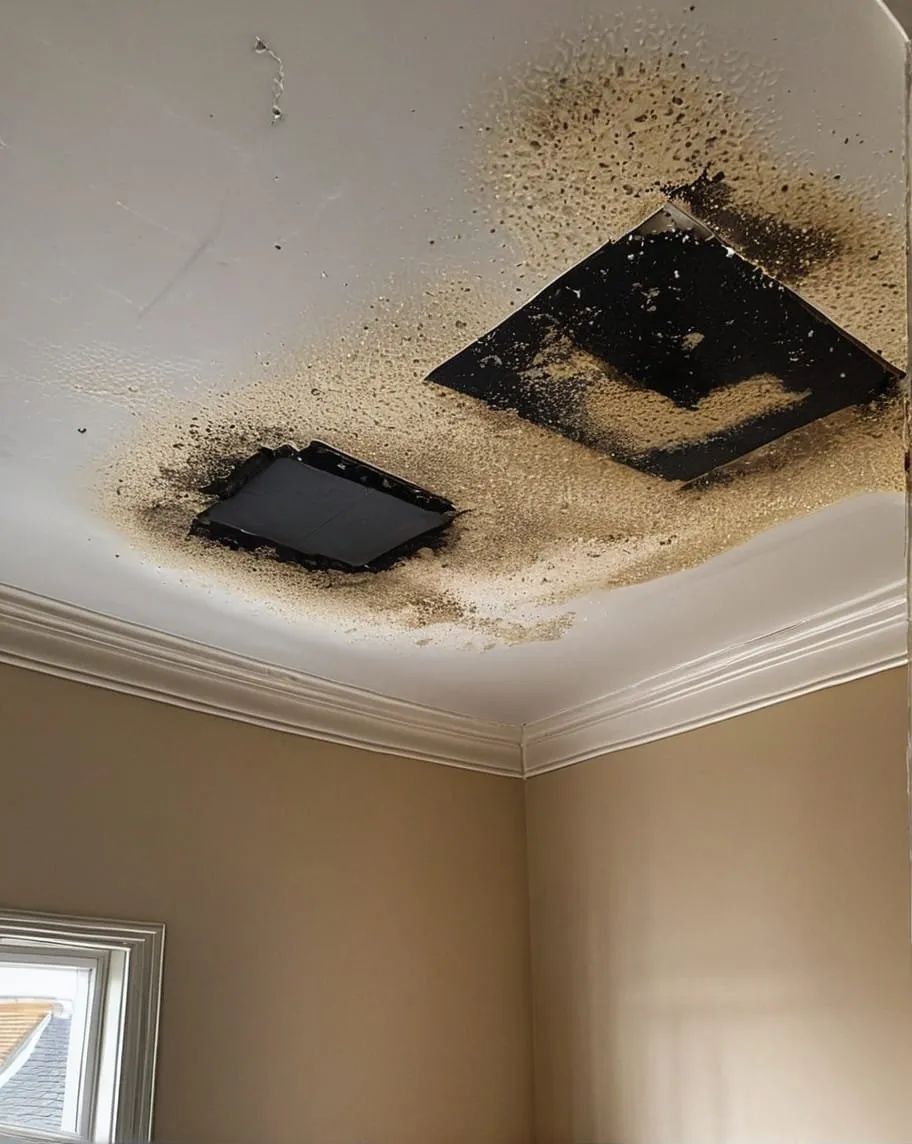
Dark mould surrounding two square ceiling fittings
  • Describe ceiling marks and stains
  • Agree safe practical access
  • Investigate moisture before restoration

ON THIS PAGE

Why the ceiling deserves a closer look

Dark spots at a ceiling corner can gradually spread across a painted surface. Elsewhere, mould may appear beside a stain or beneath a roof area. These situations can look similar from floor level, but the history can be very different. A bathroom ceiling affected over several winters is not the same question as a new stain below an upstairs leak.

Our ceiling mould treatment service covers London homes, rental properties and commercial premises. We begin with the location, the surface condition and what happened before the marks appeared. You do not need to decide whether the cause is condensation or a leak. Give us the details you know so we can discuss an assessment that fits the concern.

Our Wood Green ceiling guide explains why an overhead mark does not establish its moisture source. The East Sheen ceiling guide covers the pattern, history and access details that help frame an enquiry about an affected ceiling.

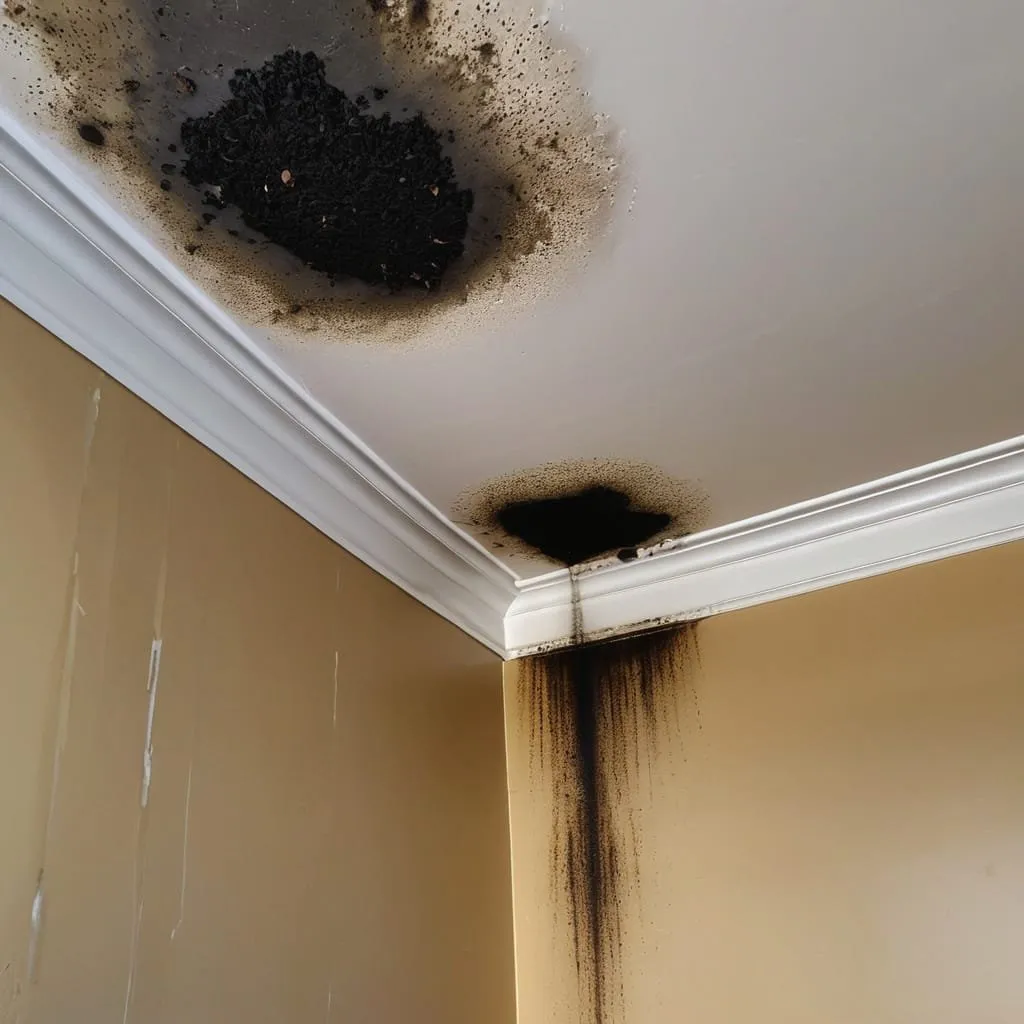
Dark mould patches on a ceiling and the adjoining upper wall

Surface growth and damaged finishes

The ceiling finish matters when planning work. Sound painted plaster may need a different approach from peeling paint, loose finishes or a surface affected by recent water damage. We consider what is accessible and explain whether remediation is appropriate within the agreed scope. A ceiling that needs separate repair should not be treated as a simple decorating problem.

Tell us if you have noticed sagging, spreading stains or changes after a leak. Do not touch or disturb an area that appears unstable. Active water damage needs the appropriate urgent help before cosmetic work is considered. Our mould treatment service does not replace emergency building repairs or plumbing assistance. Separating these needs is important when the appearance of the ceiling is only part of a wider problem.

Checking the likely moisture conditions

Condensation can contribute to growth on colder parts of a room. Bathrooms and kitchens may have particular moisture and ventilation questions. Yet a ceiling stain could also be associated with a roof issue, a pipe or water from another flat. We consider the room history and the pattern rather than choosing a cause because it is common in that setting.

Mention whether the marks change after rainfall, after the room is used or at particular times of year. If a leak was repaired, tell us when and whether the stain has continued changing. These details help explain whether further moisture investigation is needed before surface treatment. Where the source remains uncertain, a damp assessment may be the more useful first step.

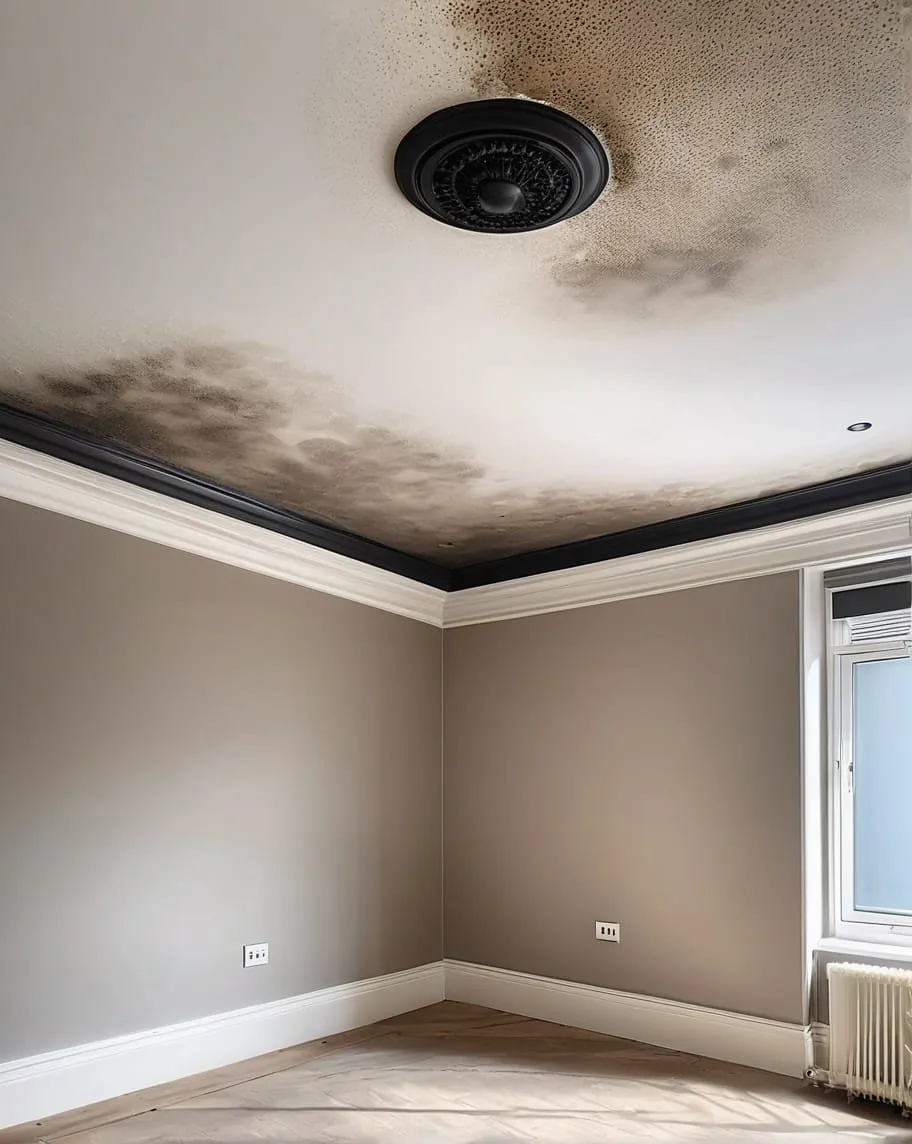
Discoloured ceiling surface beside decorative trim

THE PROPERTY IN CONTEXT

Look beyond the visible mark.

The affected material, the location and the history of moisture all help guide the next step. Tell us how the area has changed and what repairs have already been attempted.

Access is part of the scope

Ceilings can be difficult to inspect and treat. Height, stairs, light fittings and built-in furniture may affect access. Explain whether the area is above a stairwell, close to a ceiling opening or in a room with unusual height. We discuss these details before booking so the visit is planned around the actual space.

For a flat, access to another property or shared roof area may require permission. For a business, work may need to be coordinated around opening hours and use of the room. An assessment should make clear which areas were accessible. It should not imply that concealed spaces or neighbouring properties were checked when they were outside the agreed visit.

What treatment includes

For the included ceiling areas, we assess the finish and visible growth before proposing suitable surface treatment. Appropriate anti-fungal applications may form part of remediation where the assessed material allows. We explain the ceiling sections covered and any preparation needed for the agreed work. Loose finishes, replacement material and repainting have their own scope, while relevant moisture and ventilation recommendations are explained alongside treatment.

Treating mould while moisture remains can lead to the problem returning. We therefore discuss relevant findings about condensation, ventilation or separate defects. The advice should relate to the room rather than offer a blanket guarantee. If decoration is planned afterwards, understand the outstanding moisture or repair concerns before arranging a new finish.

Preparing useful background information

Photographs from a safe position can show the whole ceiling and any nearby wall damage. Keep a note of when the marks started and whether their shape has changed. Mention previous treatment, earlier leaks and any repairs to the roof or plumbing. Do not climb or open a concealed space simply to provide a photograph for an enquiry.

If you manage the property for someone else, confirm who can authorise access and work. Ask about written findings if you need them for a management record. Cost depends on the size of the affected area, surface condition, access and investigation required. Describing those details gives the pricing discussion a better basis than comparing a single figure for every ceiling.

Ceiling mould questions

Does mould mean the roof is leaking?

Not necessarily. Condensation and other moisture conditions can affect ceilings. The location, history and inspection findings help decide which explanation needs attention.

Can you also paint the ceiling?

Discuss decoration separately when enquiring. Mould treatment should not be assumed to include repainting or replacing damaged finishes. The agreed scope needs to make those tasks clear.

What should I do about new water damage?

Tell us it is recent and whether the water source is still active. Arrange appropriate help for active leaks or unsafe damage. Once the immediate issue is addressed, moisture assessment and treatment can be discussed in a sensible order.

Discuss your London property

Call with your location, the affected rooms and the history of the concern. We’ll discuss the appropriate next step and the scope you need.