
LONDON PROPERTY CARE
Mould Remediation Richmond
Our mould remediation service in Richmond connects surface treatment with a useful follow-up plan. We assess the accessible affected areas, review earlier moisture repairs and explain the observations that should guide the next decision.
Prevention advice is linked to the property findings.
- Retain the scope of completed work
- Track new moisture observations
- Review unresolved repairs separately
Ask what remains open before the visit ends
A surface may look improved while a separate recommendation still needs attention. Ask which moisture questions have been addressed, which repairs are outstanding and what was outside the inspection access. That explanation gives aftercare a useful basis instead of a generic instruction to keep every room dry.
For Richmond enquiries, we discuss the property and its history rather than promise that one treatment prevents all future growth. The scope should be understandable before work is arranged. It remains useful afterwards, when another person may need to know what was checked or why a repair was suggested.
Keep appearance and conditions in the same record
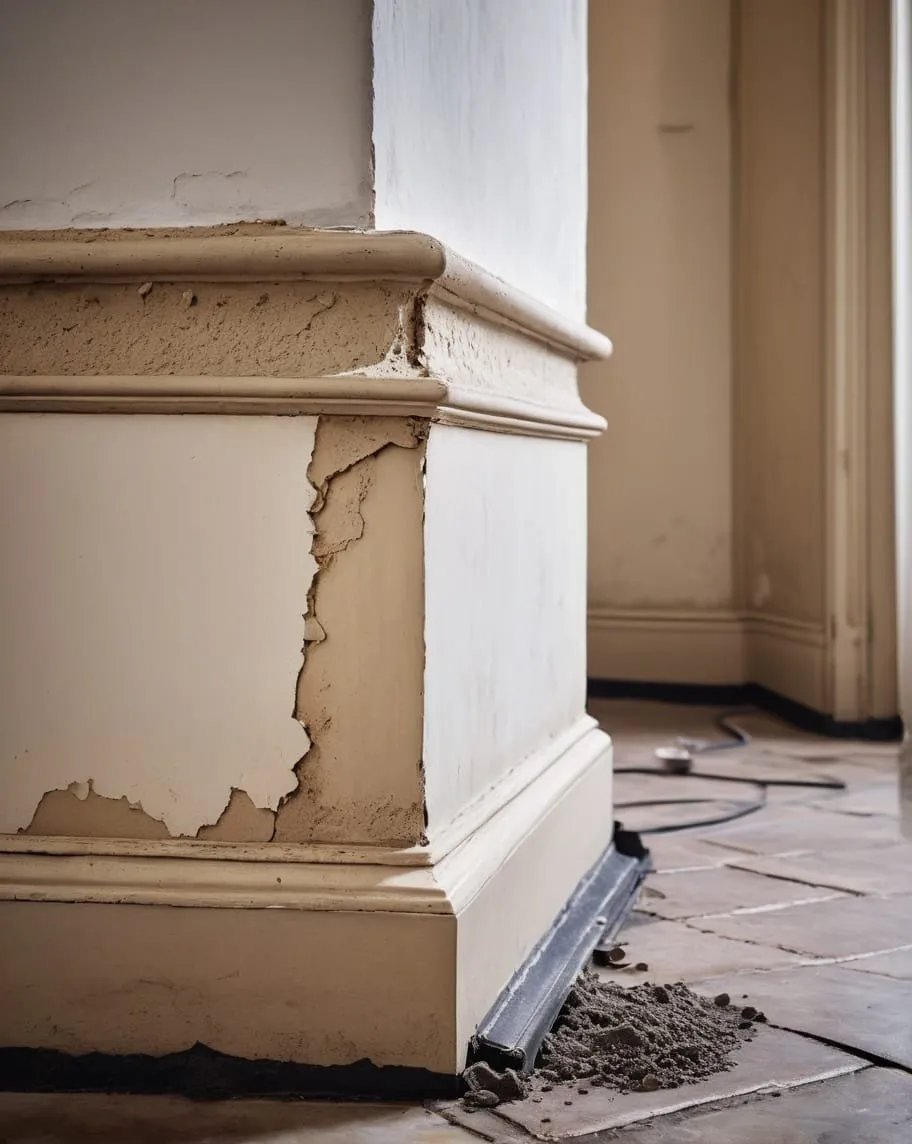
If moisture still collects on glazing or a mark changes after rain, note the observation alongside the surface appearance. These are different kinds of information. Fresh paint or a treated patch does not answer every continuing moisture question. A record can show whether the condition is settling, recurring or appearing somewhere new.
The condensation guide explains why cold surfaces and room conditions matter. Where the pattern suggests another route, rain-related moisture investigation covers a different concern. Use the observations to guide the discussion, not to decide a cause solely from one familiar symptom.
Distinguish a new area from the original patch
Describe the location precisely if growth appears again. Is it on the same treated surface, a neighbouring wall or another room? That distinction can affect the next assessment. Saying the mould is back may lose the information needed to understand what changed. Wider photographs can help show the relationship between the areas.
Record any work completed in between, such as a separate plumbing or external repair. Dates make that history easier to interpret. Do not assume every later mark requires the identical treatment, or that it proves a particular earlier task failed. The present evidence should guide the new question.
Make advice practical for the building
Prevention recommendations should relate to what was found. Ventilation, heating, access around furniture and separate defects may raise different actions. Ask why a proposed change matters and whether it can reasonably be made in the property. A tenant or occupant should not be handed an unexplained list as a substitute for investigating building concerns.
If the source remains unclear, the inspection route may be more useful than repeating surface removal. If the question concerns affected materials, wall remediation provides scope guidance. Advice and treatment have different purposes even when they belong in the same wider plan.
We bring treatment and follow-up into the same conversation. Before recommending work, we review what has changed since earlier repairs and assess the accessible materials. Removal and appropriate anti-fungal surface treatment are selected around that condition. We also discuss practical moisture or ventilation recommendations relevant to the findings. This helps you distinguish a completed removal task from an outstanding repair, and gives any later enquiry a clear record of what was assessed and what still needs attention.
Coordinate unfinished tasks with the right contact
A repair may sit with a managing agent, owner or another trade. Retain the recommendation and identify who is arranging it. A record of surface treatment should not imply that every related defect was fixed. This matters in managed properties where several people may be involved at different stages.
Explain reporting requirements if the findings must support another decision. A general assessment is not automatically a legal or insurance document. The available scope should be discussed in advance. The contact page sets out the practical information that helps arrange a useful enquiry without expecting you to diagnose the building.
Review the pattern without inventing certainty
Keep observations factual: date, location and what changed. Avoid treating a single photograph as proof of a species or an unseen defect. Where another assessment is needed, the record can show the question it should address. Honest uncertainty is more useful than a confident label that leads to the wrong work.
Call about your Richmond property with that background. If the property is towards Kew, East Sheen or Twickenham, mention its precise location. The follow-up record remains useful wherever the room is: completed work and continuing observations belong together in the next assessment discussion.
Nearby service enquiries
We also take enquiries in the surrounding areas. Call with the property’s address and affected rooms.
QUESTIONS FOR THIS VISIT
Keeping the follow-up useful
Does a clean finish prove the moisture concern ended?
No single appearance establishes that. Ask about the findings and outstanding recommendations, and note whether moisture continues to collect or damage changes after the work.
How should I describe new growth?
Give the exact location and whether it is the same surface or a different area. Include the timing and any work completed since the earlier visit, rather than only saying the problem returned.
What if another trade has not completed the repair?
Keep that task marked as outstanding. Surface work and moisture repairs should remain distinct in the record, so a later assessment is not based on an assumption that everything was addressed.
Is aftercare a standard checklist for every home?
Recommendations should connect to the property findings and practical circumstances. Ask why a change is suggested instead of treating a generic list as a replacement for the assessment.
When is another inspection more useful than removal?
If the moisture question remains unanswered, the location changes or growth repeatedly returns, discuss investigation. Another treatment visit should have a reason based on the current evidence.
Use the follow-up record to guide the enquiry
Bring the dates of completed work and the location of any renewed marks. Keeping those details together helps a further assessment focus on the question that remains.