
LONDON PROPERTY CARE
Mould Remediation Greenwich
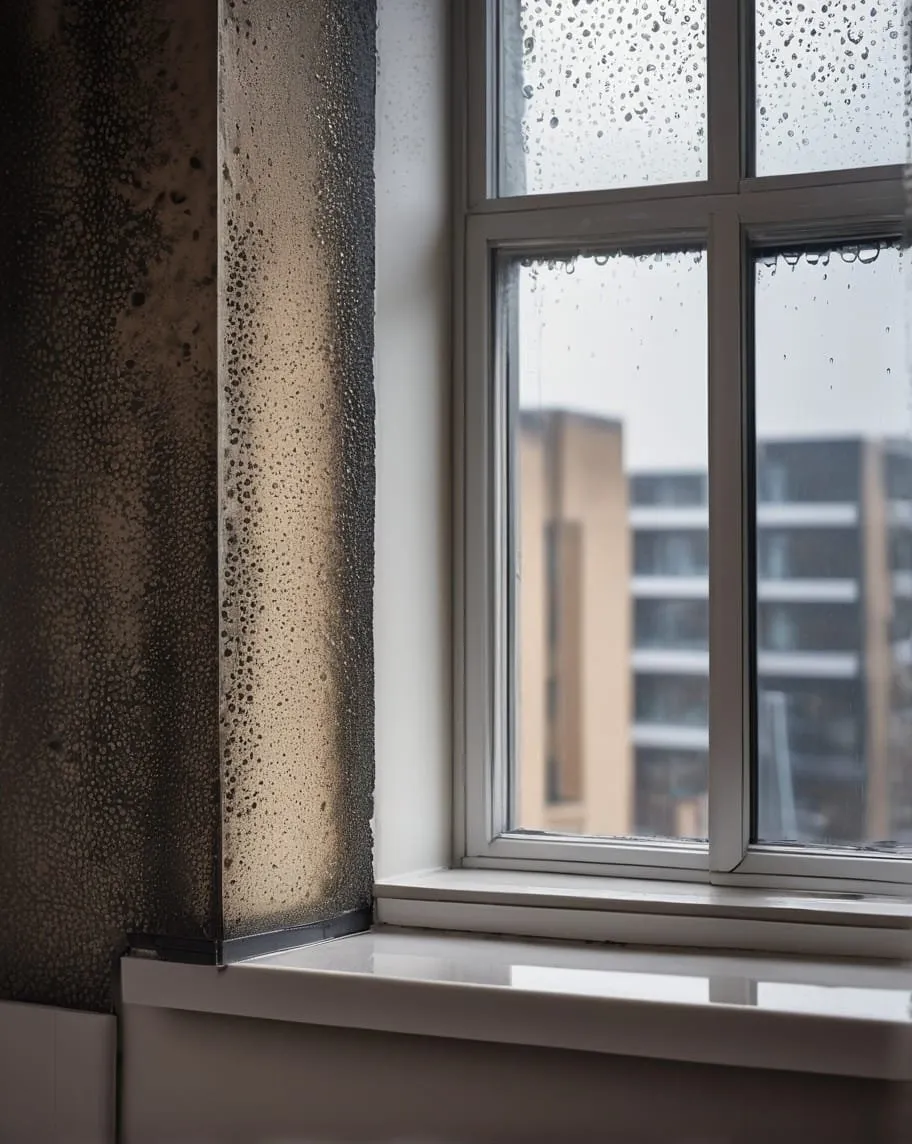
We provide mould remediation in Greenwich for homes and rental properties, including enquiries between occupancies. We assess accessible surfaces, review the moisture history and explain treatment, repair and reporting needs before the work is agreed.
A visit has an agreed purpose and accessible scope.
- Gather room-specific maintenance history
- Confirm the report’s intended purpose
- Arrange permissions before the assessment
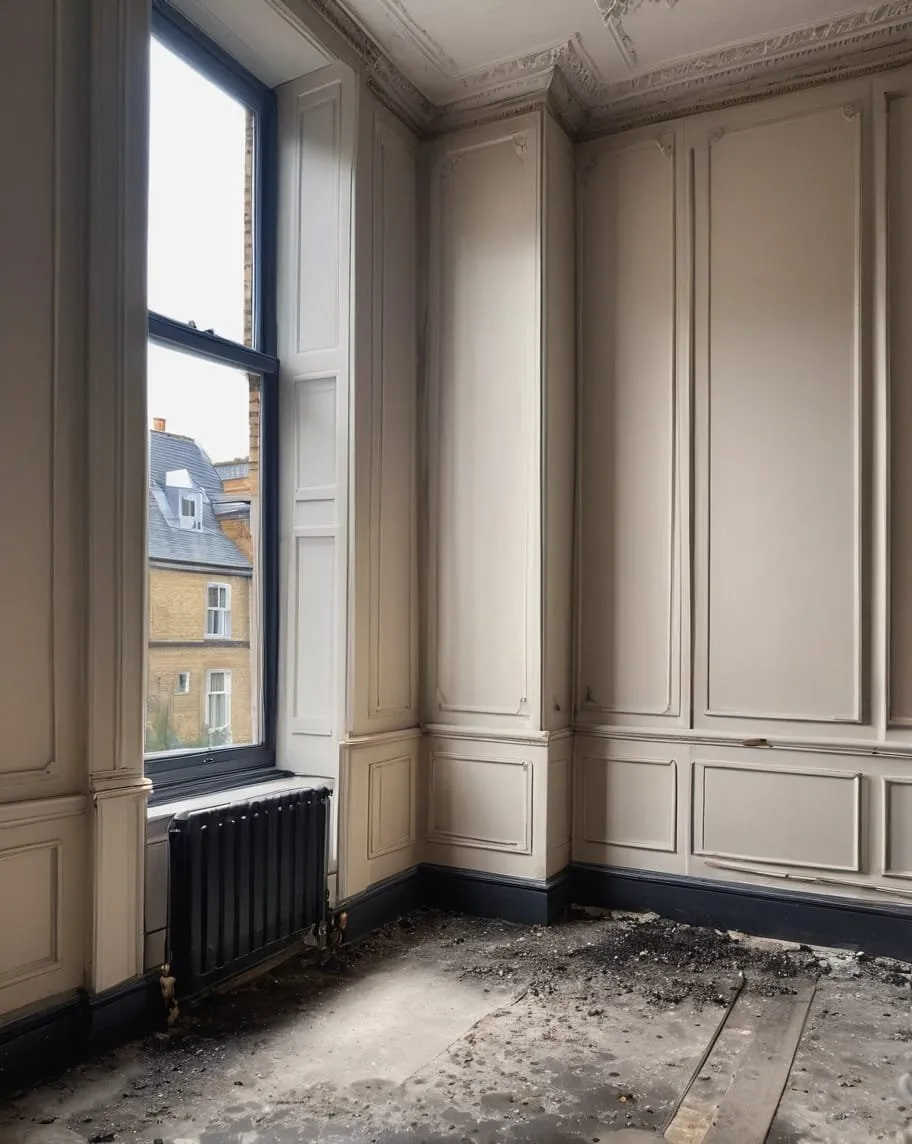
Assess what the empty room now reveals
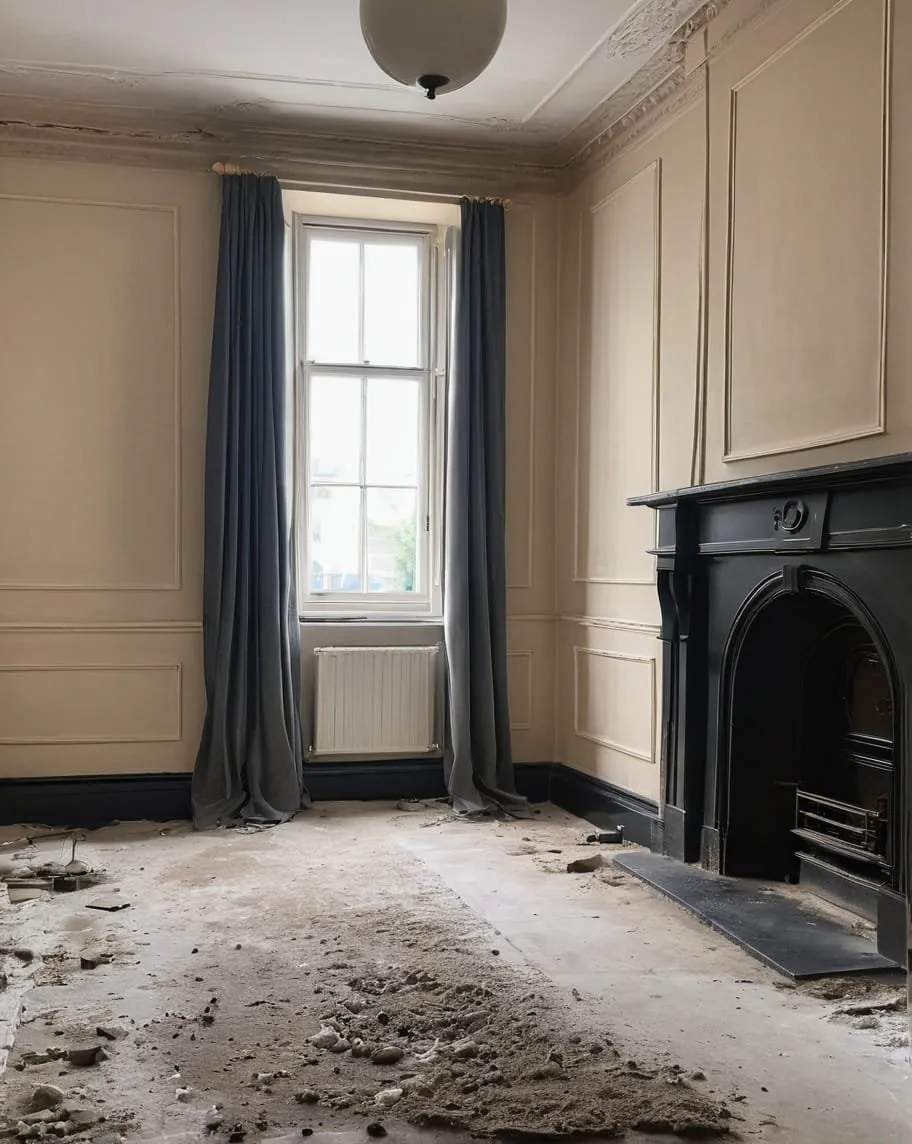
A room may look clearer after it has been emptied, but furniture removal does not establish why the wall became affected. You might discover an older patch or a mark that was previously hidden. Keep that location in the record rather than assuming the recent occupant caused it or that vacancy has solved it.
With furniture removed, an affected wall may be easier to see. Tell us where the marks are and whether earlier photographs show the same position. We assess the current surfaces alongside the repair history rather than infer the cause from vacancy alone. If the previous account is incomplete, say which details are unknown. That gives the visit a clear purpose without attributing the condition to an occupant.
Organise the room record first
List affected surfaces and separate earlier reports from current observations. Note known leaks, treatment dates and repairs that were recommended but not confirmed as completed. If documents are missing, say so. Gaps in the record are better acknowledged than filled with a confident account nobody can verify.
Our reporting guide for landlords explains why the intended use matters. Decide who needs the findings and which decision they will support. That could be maintenance planning or a treatment proposal; it should not be assumed to include every possible legal, insurance or building-survey requirement.
Establish permissions beyond the room
In a flat, the suspected moisture source may involve a shared part of the building or another property. Explain who controls that access. A room inspection cannot settle the condition of an inaccessible space merely because it is nearby. The findings should preserve that limit and describe any further question that needs checking.
If the property remains occupied, arrange access clearly with the people living there. Their observations may still supply useful timing and location information. If it is vacant, provide the background you have without assuming that the assessor can infer the room’s earlier behaviour from its empty appearance.
Use the findings to choose work, not a package
The inspection may identify a treatment concern, a need for further investigation or a separate repair question. Ask which observation leads to each recommendation. A list of suggested actions is more useful when it explains what can proceed and what depends on another task being completed.
Read about the damp assessment scope if the moisture source is unknown. For visible growth, the removal service covers material and treatment considerations. Those services should follow the evidence instead of automatically being sold as an identical sequence for every rental home.
For a rental changeover, we inspect the surfaces that have become accessible and compare them with the occupant’s earlier account. We review completed moisture repairs and identify any current material damage before proposing removal or suitable anti-fungal treatment. We then explain which tasks belong to remediation and which need a separate repair or decorative arrangement. Where written findings are required, their purpose is agreed before the visit so the maintenance record describes the work actually assessed.
Talk through the property concern
Restoration should follow the relevant checks
Fresh paint may be part of a property preparation plan, but it does not establish that a moisture concern has been resolved. Understand the material condition and outstanding repair recommendations before arranging finishes. If the bathroom is involved, the bathroom guide explains why paint, sealant and other surfaces raise different questions.
Record the agreed work separately from the wider preparation of the property. Mould treatment should not be assumed to include all decorating, resealing or repair tasks. Clear scope protects the usefulness of the assessment record when another person later needs to know what was actually addressed.
Leave a record that can be used later
Retain the findings, included rooms and dates of completed work. If a future concern appears, that record can be compared with the new location and timing. A general note saying the home was treated leaves too much unexplained. Room-level information makes the later conversation more accurate.
Call with your Greenwich location and the access arrangements. For an address towards Deptford, Blackheath or Charlton, provide the precise location. Keep the room record and reporting purpose available so the conversation leads to a visit with a defined outcome.
QUESTIONS FOR THIS VISIT
Before making arrangements
Is an empty room easier to diagnose?
Access may improve, but vacancy does not establish the moisture cause. The earlier history and current material condition still matter. Include any information known about when the marks appeared.
Should an unconfirmed repair be marked complete?
No. Keep recommendations and confirmed work distinct. An assessor can then understand which moisture questions may remain rather than build a conclusion on an inaccurate maintenance record.
What does the report need to be used for?
Describe the intended decision and recipient before booking. A general assessment may support maintenance planning, but suitability for another purpose must be discussed rather than assumed.
Can one visit include a bathroom and bedroom?
Explain both concerns when enquiring so the included rooms can be agreed. The surfaces may need different attention, and their relationship should not be lost in a single generic description.
What should a later occupant’s report include?
Ask for the room, affected location and timing, with wider photographs where possible. Compare it with earlier findings and repair dates without beginning with blame or an assumed cause.
Nearby service enquiries
We also take enquiries in the surrounding areas. Call with the property’s address and affected rooms.
Deptford
Blackheath
Charlton
Plan a rental assessment with a clear outcome
Keep the maintenance history and reporting requirements ready when you call. Explain whether the property is occupied and which rooms can be included in the agreed visit.