
LONDON PROPERTY CARE
Mould Remediation Kew
When exterior work has been reported, the inside wall still needs its own assessment. We help Kew owners separate proposed repairs from completed work, review the current growth and agree remediation without assuming the moisture question is already settled.
Reported repairs are reviewed alongside the present condition.
- Confirm what work actually happened
- Assess the remaining interior concern
- Keep treatment and repair records separate
Establish whether the exterior work was proposed or completed
An email saying that a gutter, seal or other exterior item needs attention is different from a record of completed work. We ask what was recommended, which task actually happened and its date. This prevents the mould enquiry from starting with an assumption that every reported repair has already addressed the property concern.
For Kew enquiries, you do not need to obtain a detailed building diagnosis before contacting us. A clear description of the repair status is enough to begin the conversation. If you only know that someone attended, say that. Attendance, a recommendation and a completed repair are useful but different pieces of information.
Describe what remains inside now
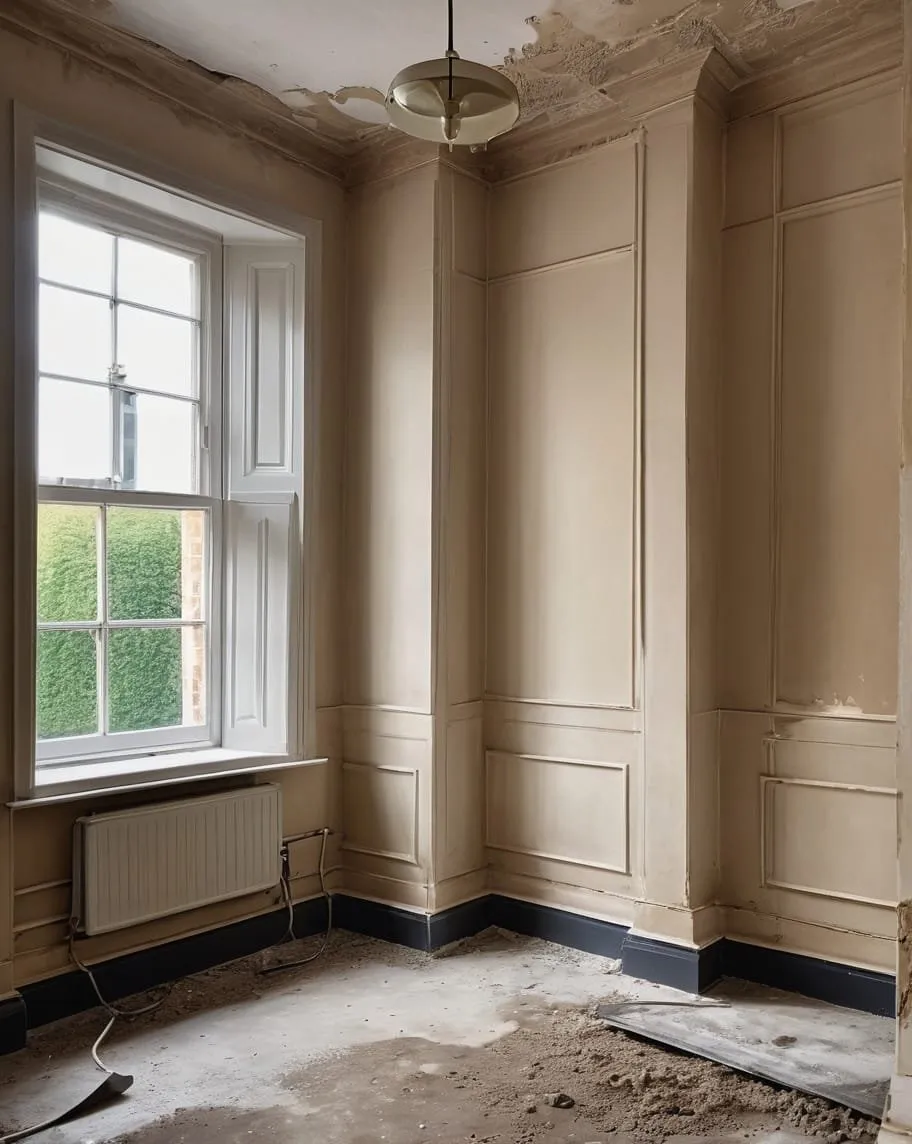
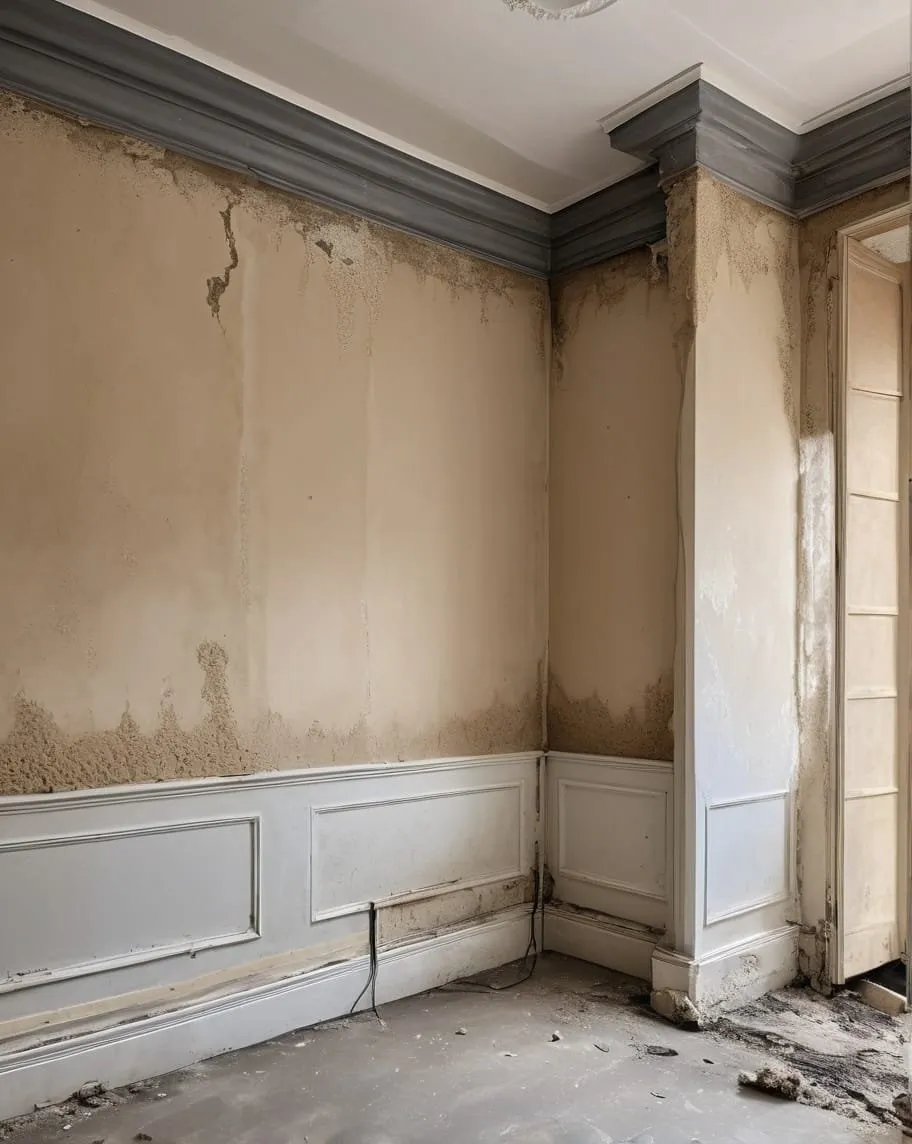
We ask where the visible growth lies and how the interior surface has changed since the work. It may be newly exposed, previously painted or still showing a recurring mark. Current photographs should show the room and affected wall, while older images can preserve the pattern that existed before the reported repair.
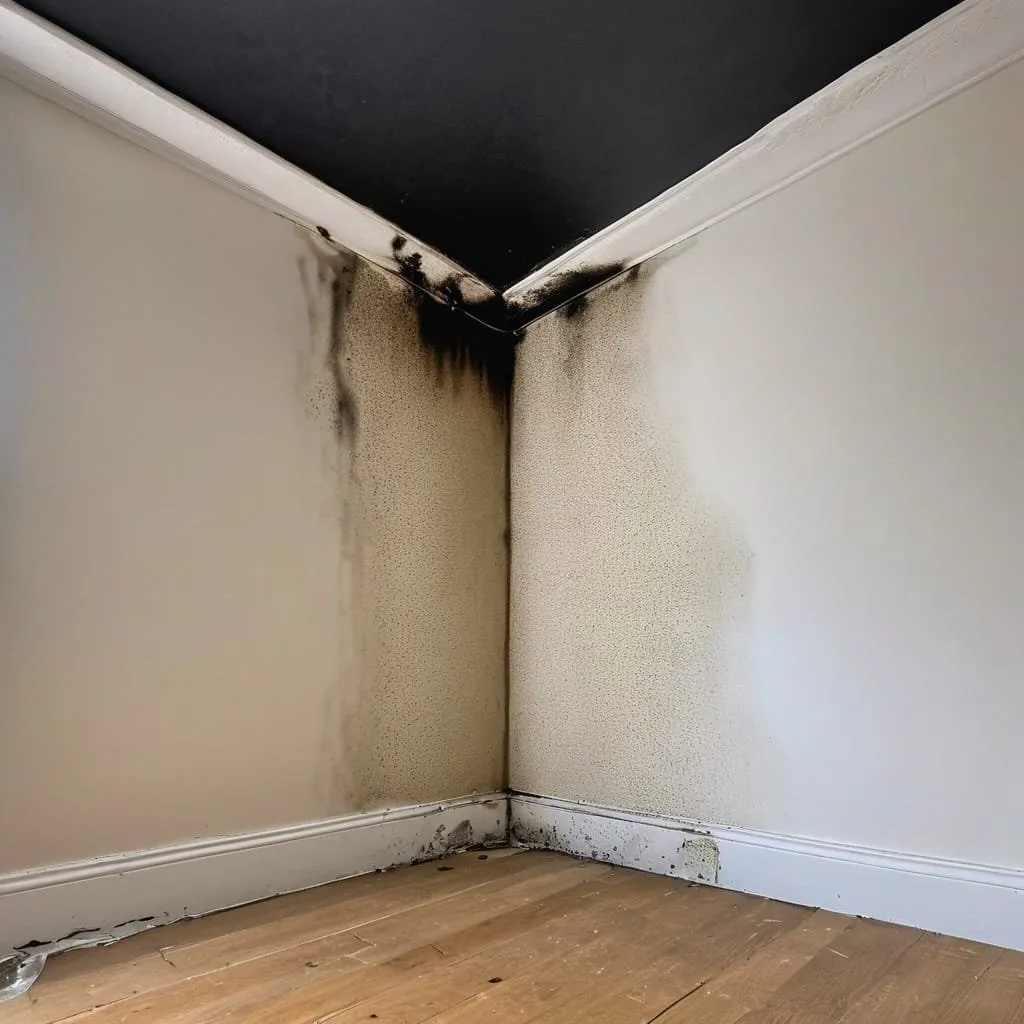
Our wall mould treatment service considers the accessible material and finish condition. Remaining staining and visible growth should be described carefully rather than combined into an unsupported conclusion about the exterior work. The assessment concerns the present surface as well as its history.
Identify the unanswered moisture question
Sometimes an owner needs to know whether another assessment should come before treatment. We discuss the current observations, known history and the question the visit must answer. A completed exterior task should not automatically be taken as proof that all moisture concerns are resolved, just as a remaining interior mark does not by itself prove that the repair failed.
Our penetrating damp inspection information is relevant where the building-moisture concern remains part of the enquiry. We agree the purpose and available access. Any exterior or concealed area outside the visit should remain an explicit limit rather than an implied finding.
Assess the surface before proposing remediation
We consider visible growth and the material condition on the agreed accessible areas. Sound paint, peeling coatings and damaged wallpaper can lead to different practical discussions. If a finish needs repair or replacement, that should be distinguished from the mould treatment so you know which task each proposal addresses.
Suitable remediation may include anti-fungal applications selected with the assessed material in mind. We explain the included surface areas. That provides a concrete treatment stage without suggesting that an interior application completes an outstanding exterior repair or confirms the condition of an inaccessible building component.
Talk through the property concern
Keep outstanding tasks visible in the plan
Where moisture remains uncertain, an agreed damp and moisture inspection can help support the next decision. We explain the role of that assessment alongside remediation. If another contractor or building manager controls repairs, tell us so the relevant responsibilities can be understood.
A useful property record separates recommended work, completed repairs and completed surface treatment. Those distinctions help you organise the next step and prevent an uncompleted recommendation from becoming a supposed fact in a later conversation. Keep dates and locations with each entry rather than merge everything into a note that the damp was fixed.
Why the distinction improves the enquiry
We connect the actual repair status with the accessible interior condition and proposed action. That is useful when several emails or contractor visits have left uncertainty about what has happened. Our role is to explain the assessment and treatment decision from the evidence available, without filling gaps in the history with confidence.
Contact us with the current wall concern and whatever repair information you have. You can ask for clarification before deciding on the next service. The aim is an understandable plan for the remaining interior growth, with any unresolved building question kept visible for the person responsible.
QUESTIONS FOR THIS VISIT
Before making arrangements
What if I only know that a contractor attended?
Say that rather than assume which repair was completed. Any description or record of the work can help. We keep attendance, recommendations and completed repairs distinct when discussing the current interior concern.
Does a remaining mark prove the exterior repair failed?
Not on its own. We consider the present surface and available history. Remaining staining, visible growth and an unresolved moisture question need careful distinction before a conclusion is drawn about earlier work.
Should I send the repair recommendation or completion note?
Both can be useful if available, with their dates and status clear. They help explain what was proposed and what actually happened. Keep current room photographs too, because the assessment concerns the interior condition now.
Is interior treatment evidence that the exterior is repaired?
No such assumption should be made. Surface remediation addresses the agreed affected materials. It should not be used as confirmation that a separate building repair was completed or that inaccessible components were assessed.
Can I enquire when the repair status is uncertain?
Yes, explain what you know and what remains unclear. We can discuss the assessment purpose and appropriate starting point. Uncertainty should remain explicit rather than be filled with a guessed account of the earlier work.
Nearby service enquiries
We also take enquiries in the surrounding areas. Call with the property’s address and affected rooms.
Bring the repair record and current concern together
Tell us what was proposed, what was completed and what the interior looks like now. We can discuss assessment and surface treatment around that distinction rather than assume every item in a repair email has already happened.