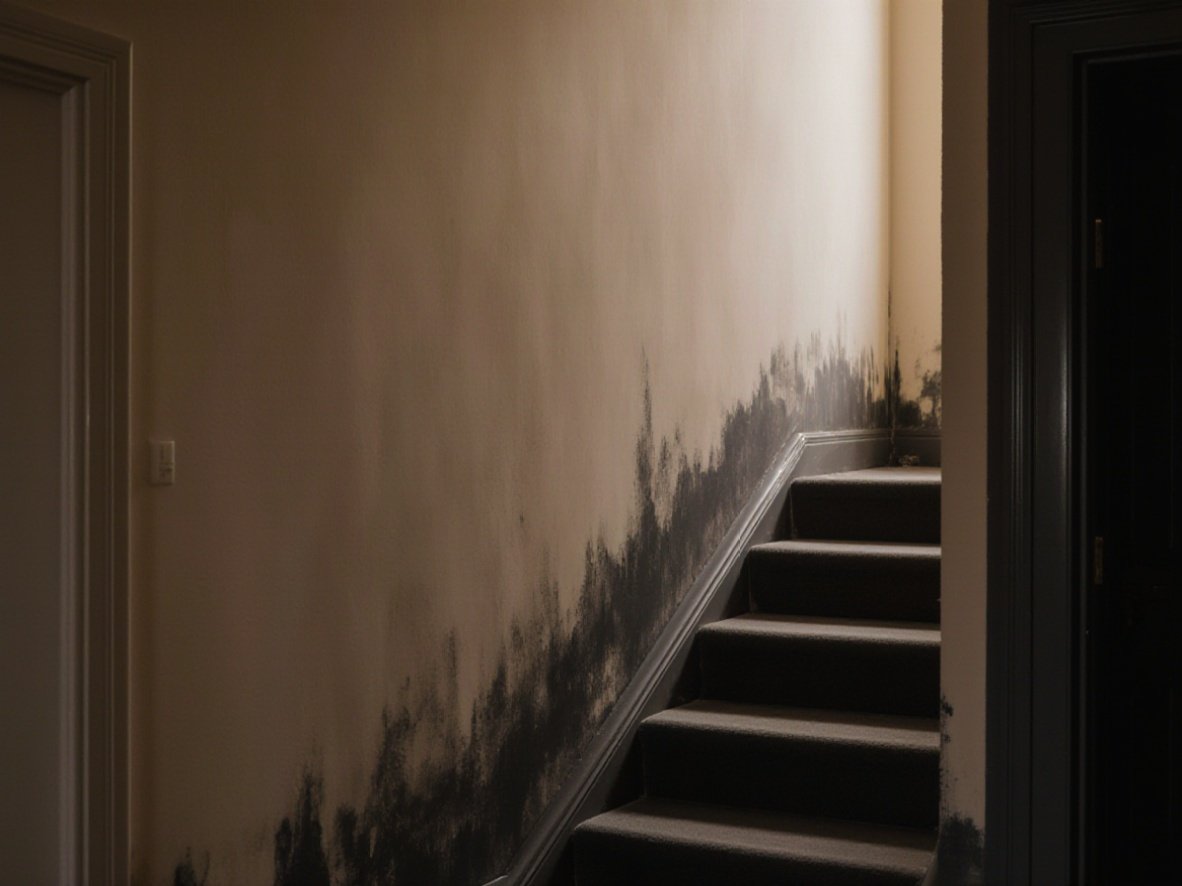
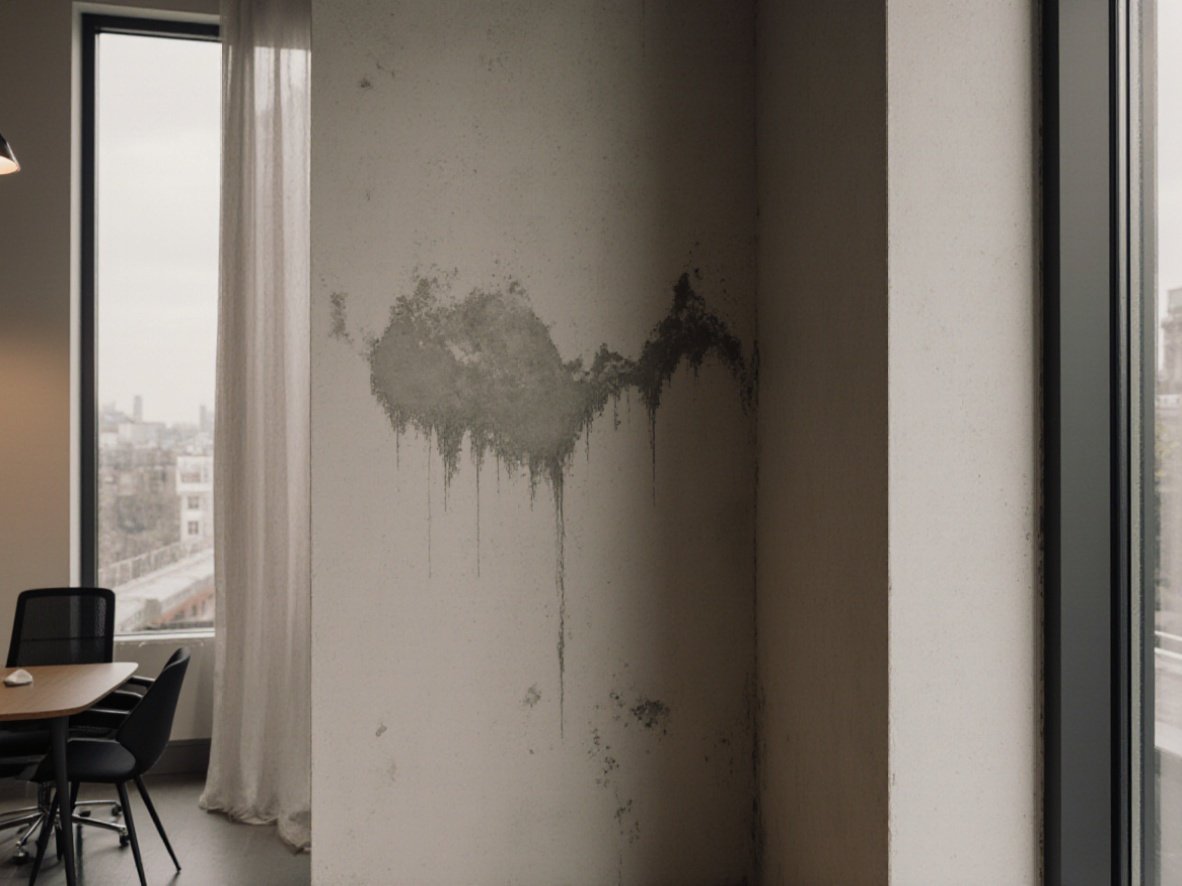
Bathroom Mould Removal
Ceiling mould is commonly linked to excess humidity, poor ventilation, and long-term condensation build-up inside the property. At Mould Remediation London, we provide professional ceiling mould treatment services designed to address both the visible mould and the moisture conditions contributing to recurring growth.
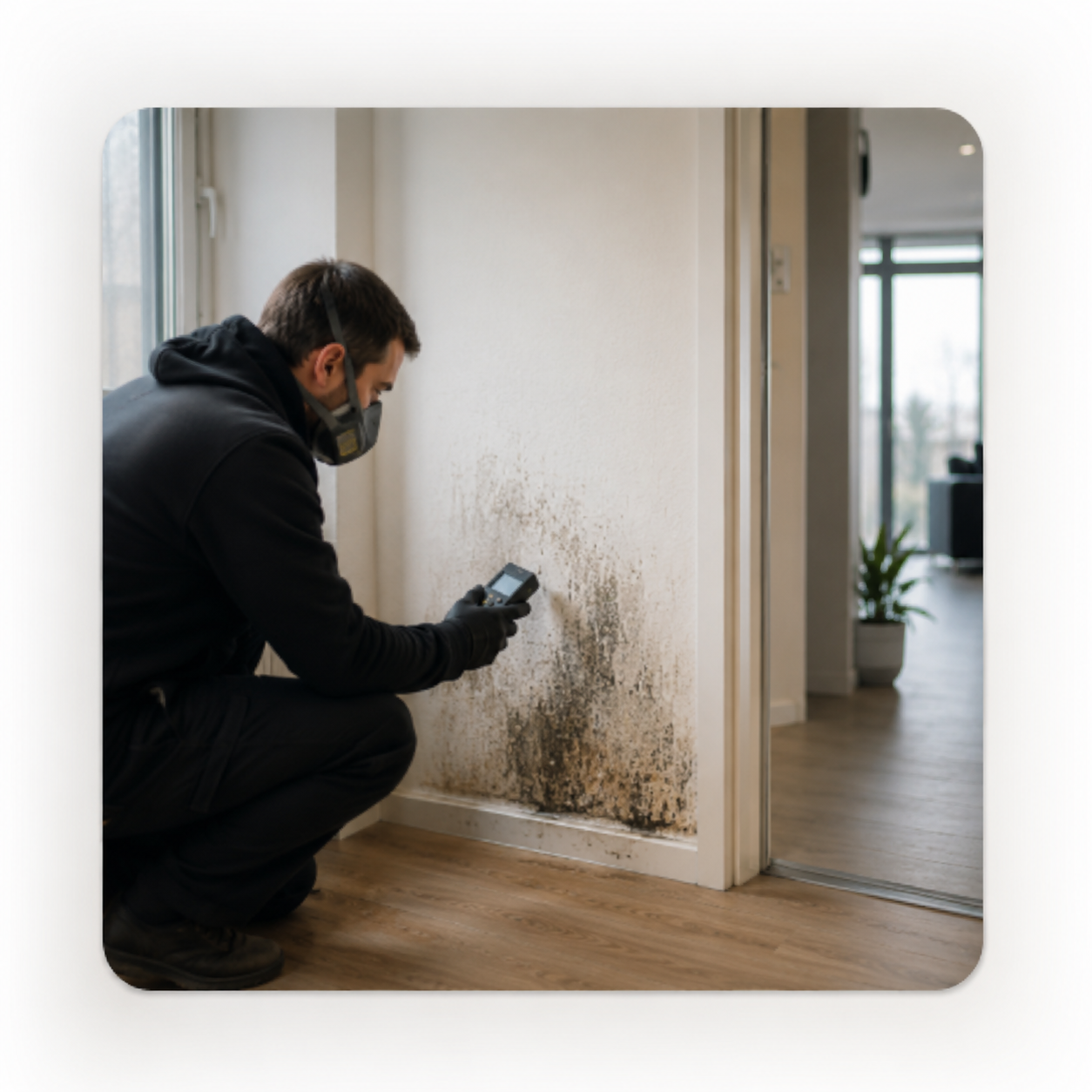
Our London mould specialists will assess the issue, identify possible moisture sources, and recommend the most effective remediation solution for your property.
"*" indicates required fields
We focus on identifying the underlying moisture source before carrying out mould remediation, helping reduce the risk of recurring growth and hidden damp issues.
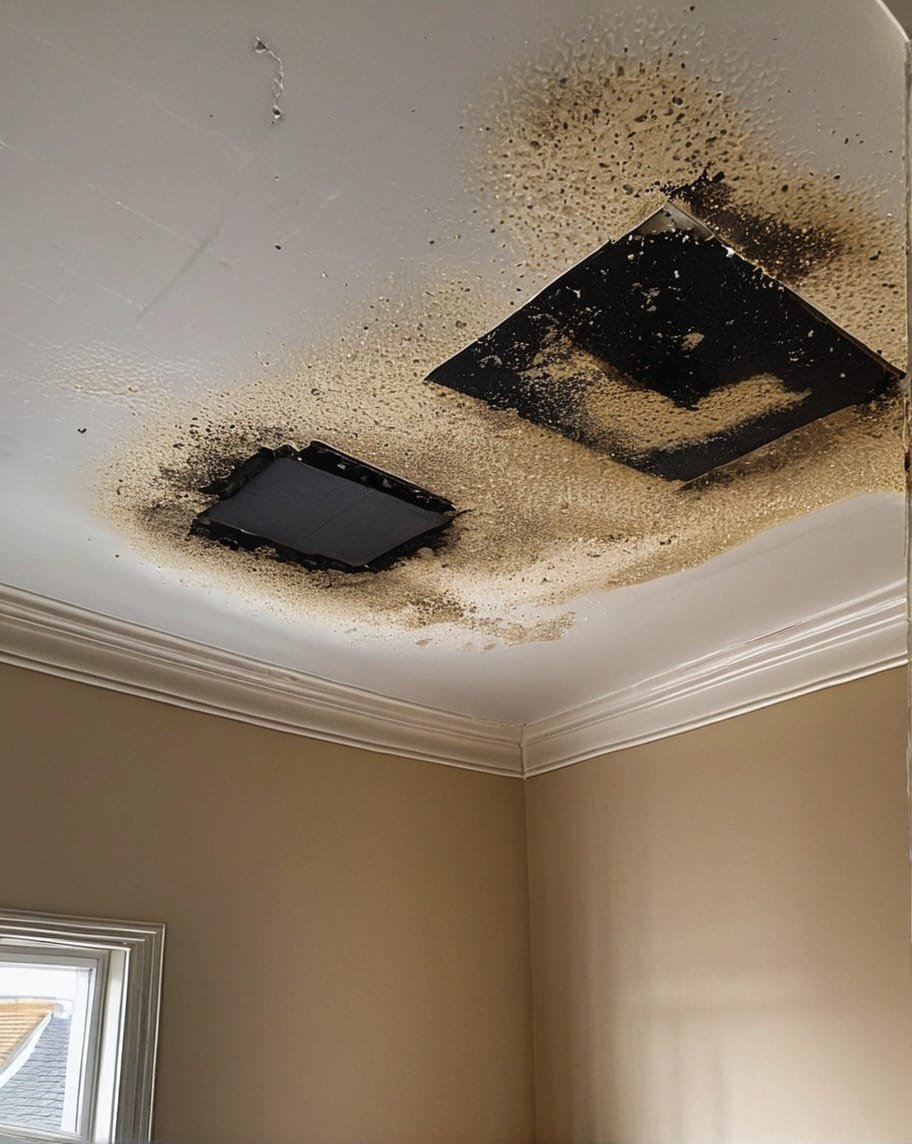
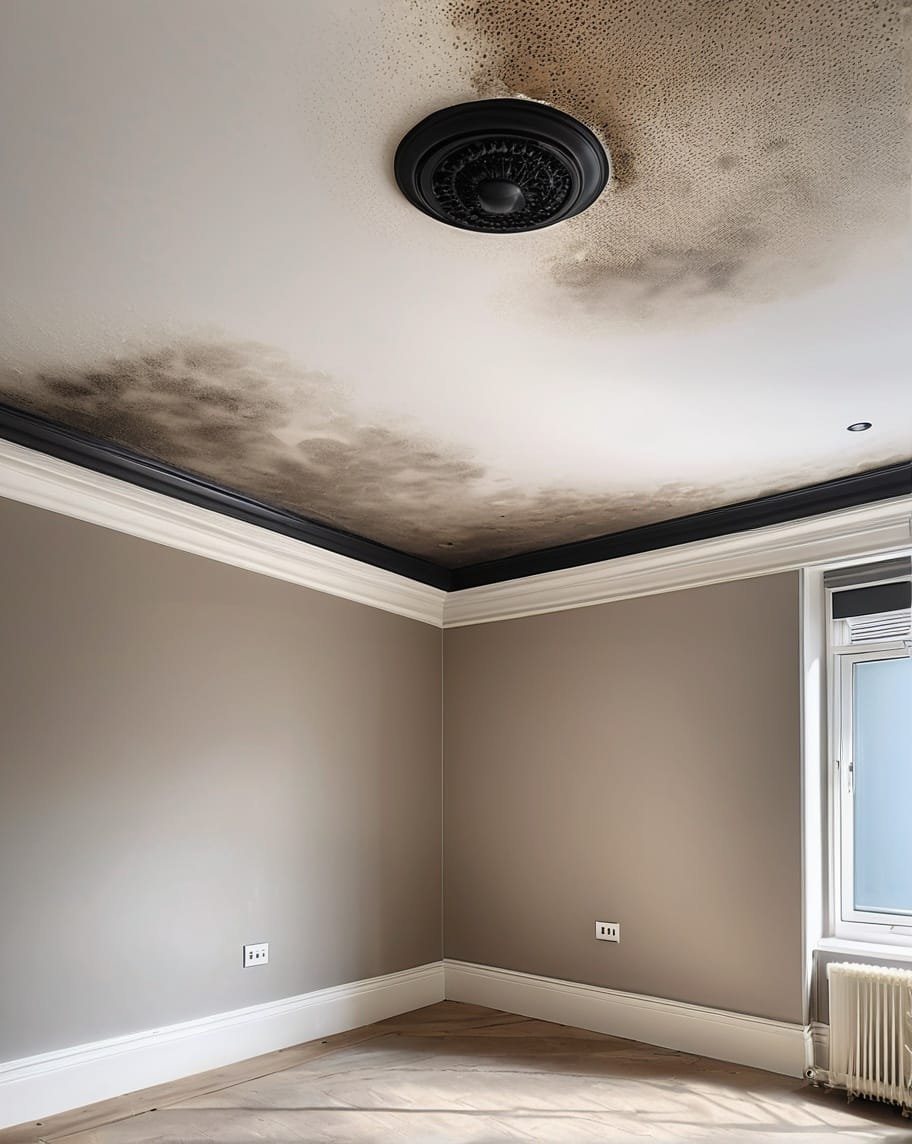
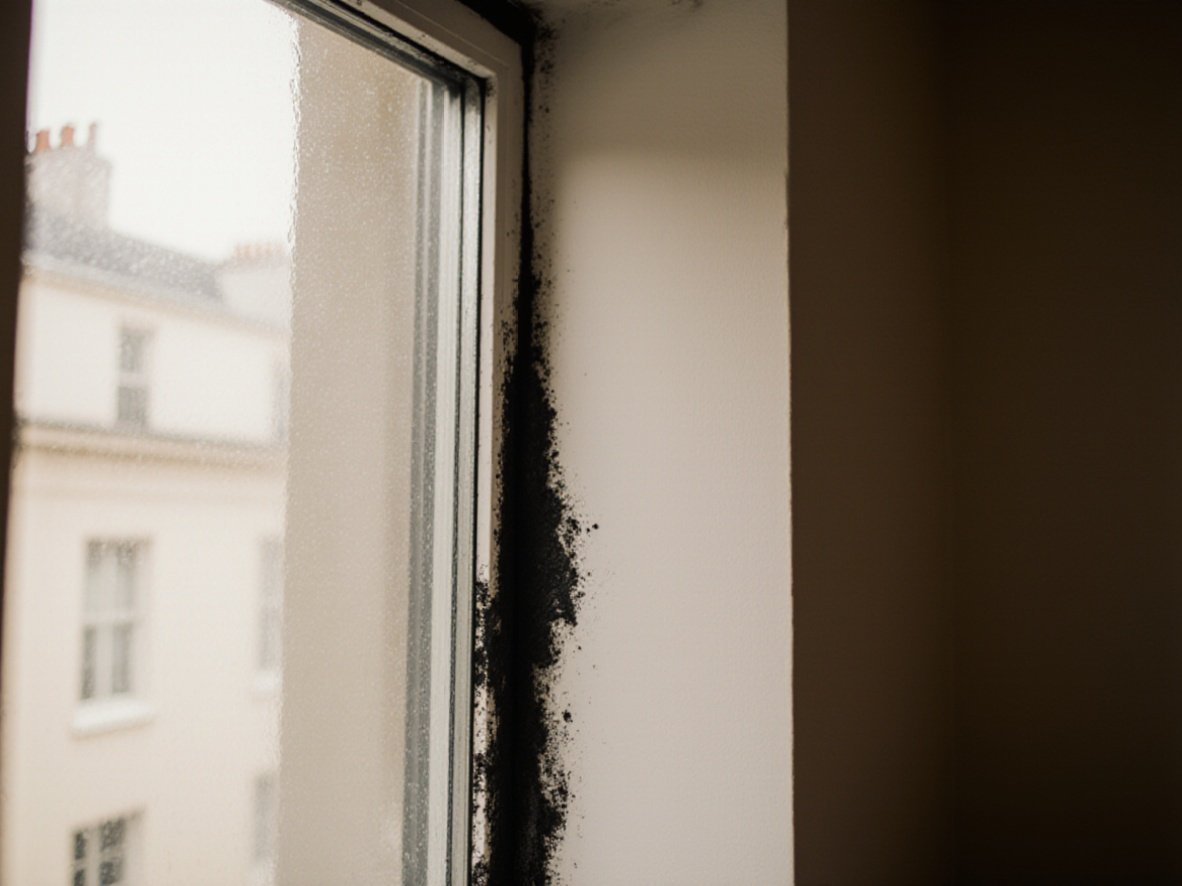
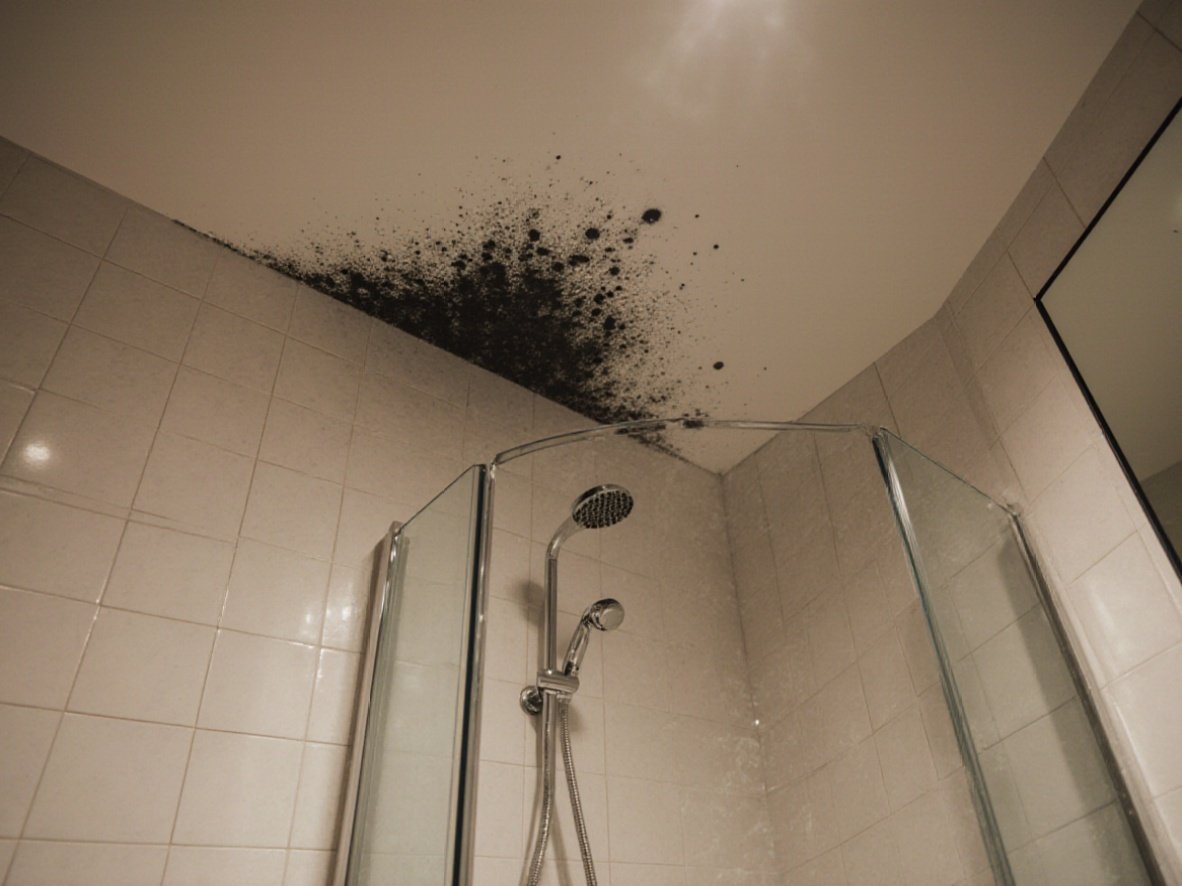
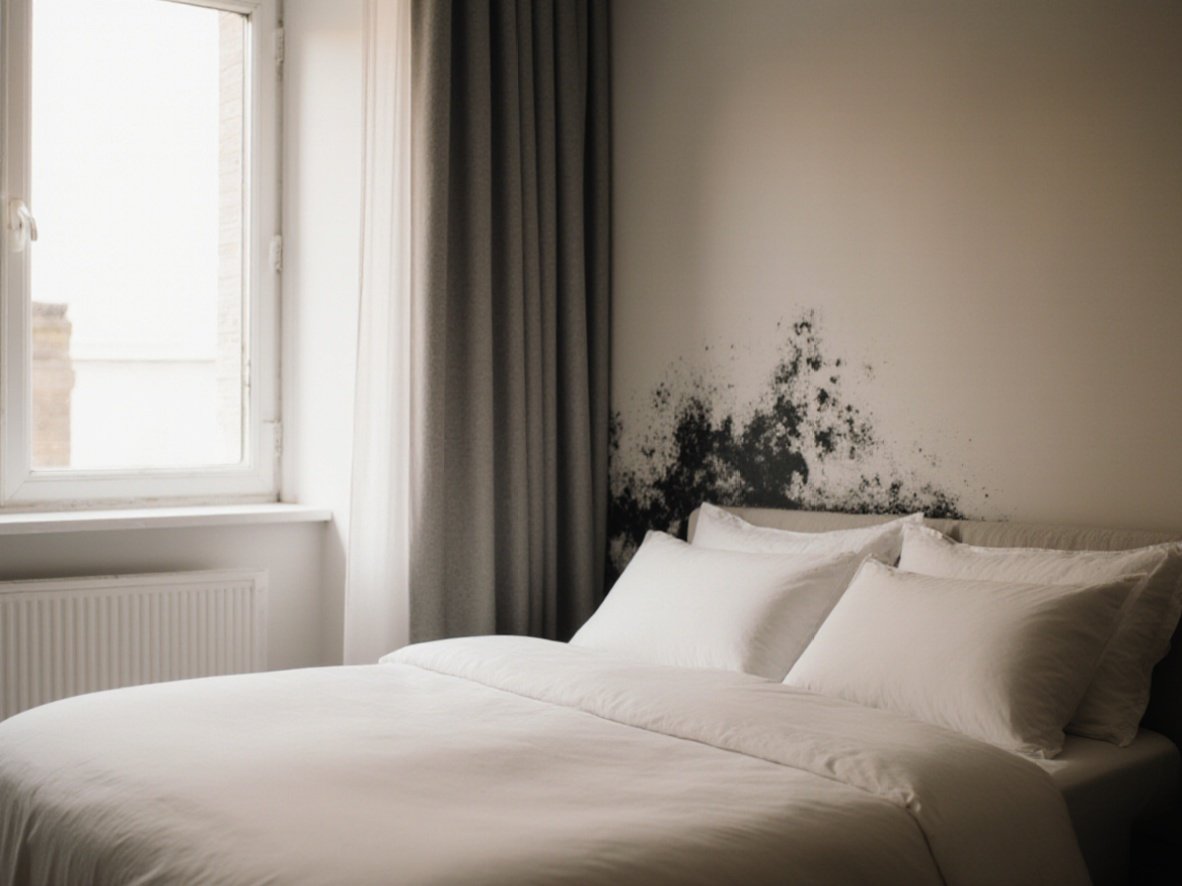
Ceiling mould is a common problem in many London properties, particularly in rooms affected by excess humidity, poor ventilation, and ongoing condensation build-up. Bathrooms, kitchens, bedrooms, hallways, and loft spaces are some of the areas most vulnerable to mould developing on ceiling surfaces over time. In many cases, mould growth appears gradually in corners, around light fittings, near external walls, or across areas where warm moist air regularly becomes trapped.
At Mould Remediation London, we provide professional ceiling mould treatment services for residential and commercial properties affected by damp and condensation-related mould problems. Our approach focuses on understanding the moisture conditions contributing to the issue before carrying out remediation work. Simply cleaning visible mould from ceilings without identifying the source often leads to recurring growth and ongoing moisture-related damage.
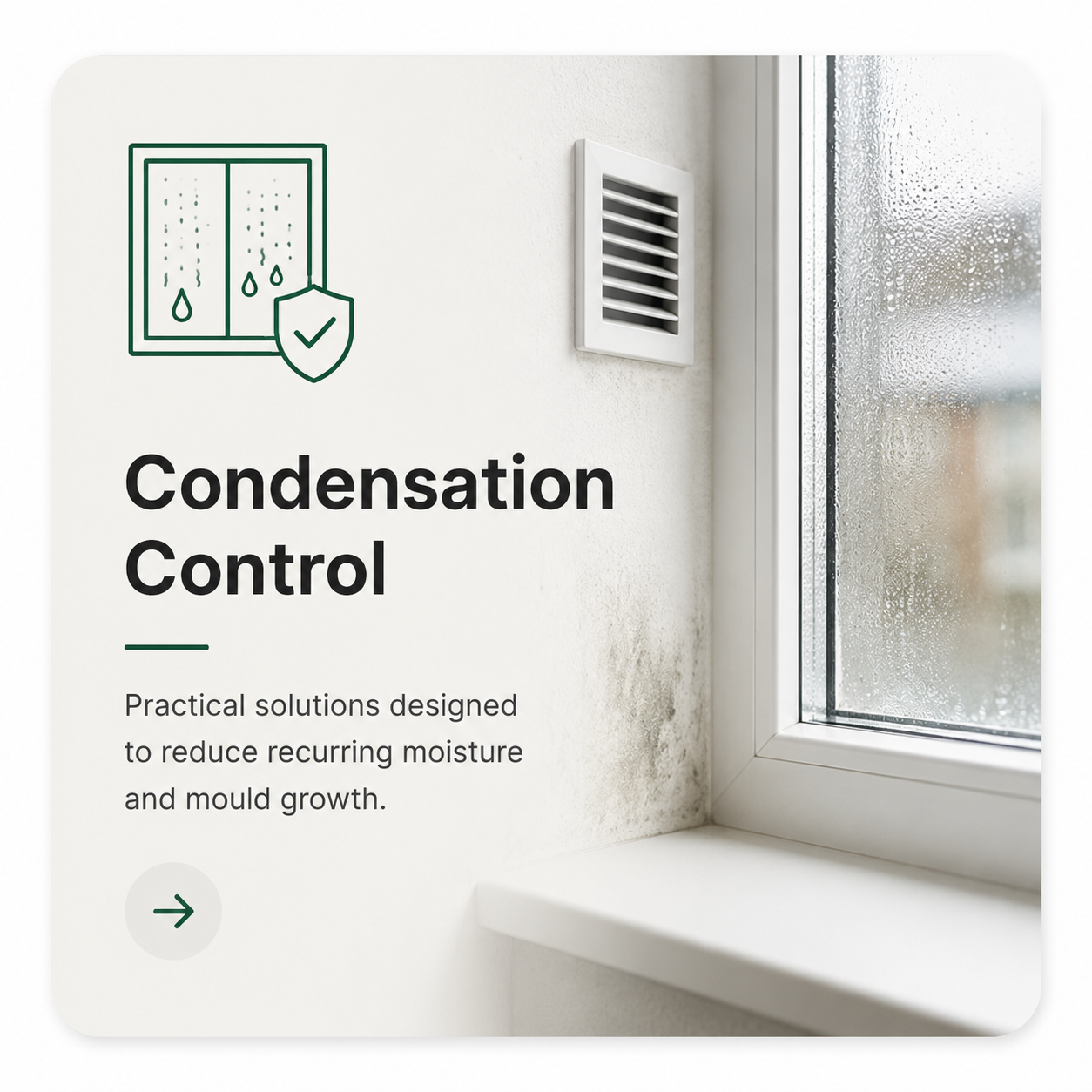
Condensation is one of the most common causes of ceiling mould inside London homes and flats. Warm air produced by showering, cooking, heating, and everyday living activities naturally rises and settles on colder ceiling surfaces, particularly where airflow is limited. Over time, repeated moisture exposure can create ideal conditions for black mould to develop, especially in properties with inadequate extraction systems, restricted ventilation, or insulation limitations.
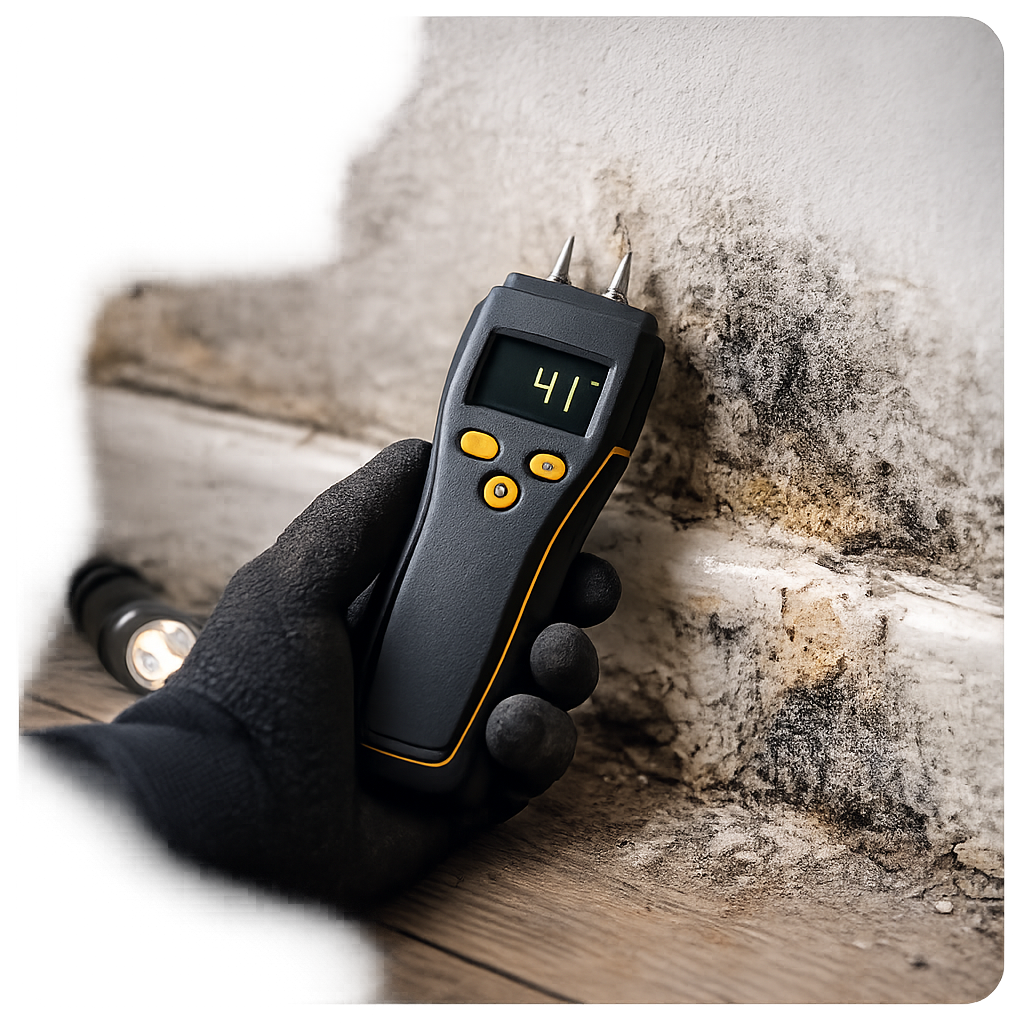
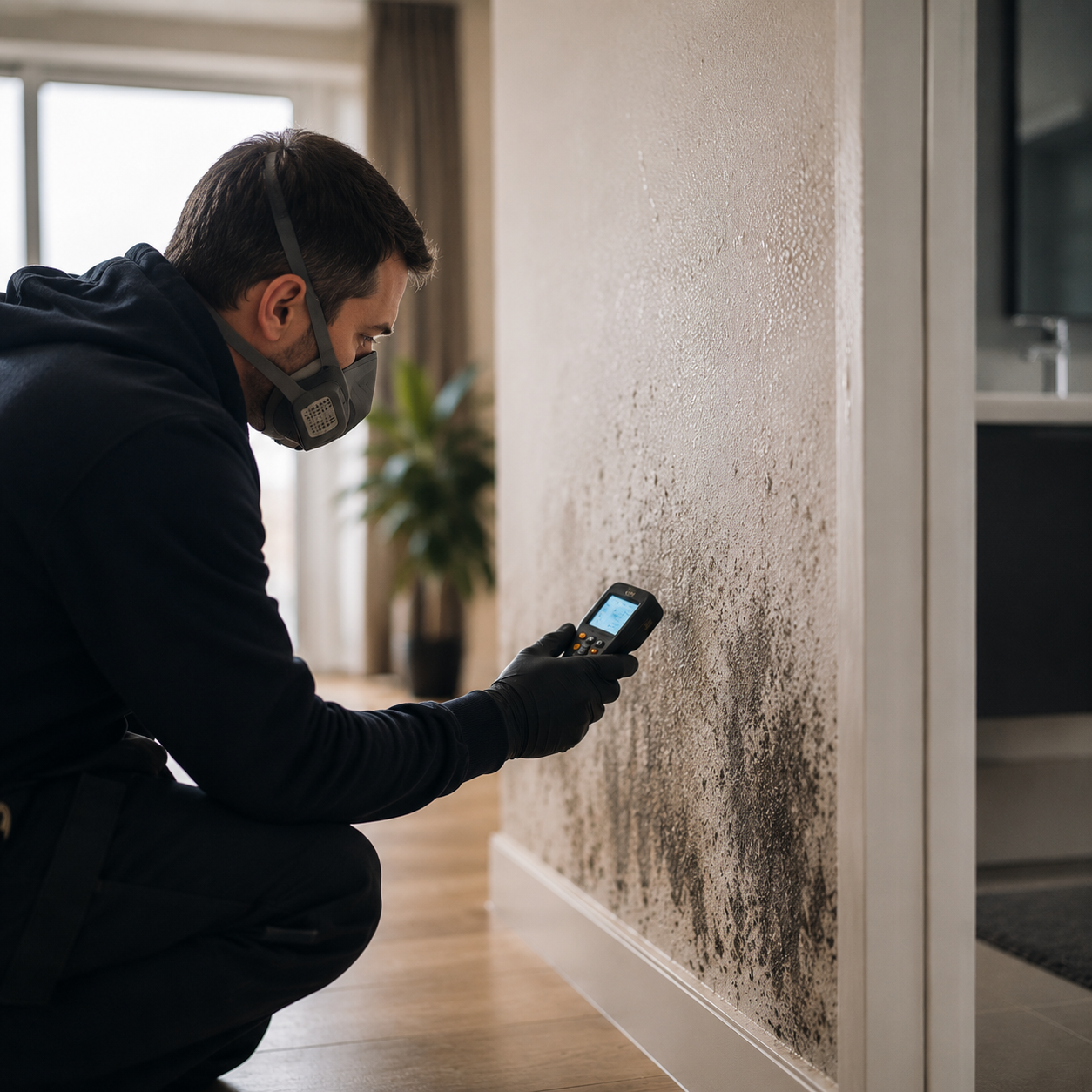
Our team assesses the condition of the ceiling, surrounding surfaces, ventilation levels, and any signs of hidden damp or excess moisture affecting the property. Every building behaves differently, particularly across older London housing stock where cold bridging, aging ventilation systems, and structural damp issues can increase condensation problems throughout the year. We tailor our remediation recommendations based on the severity of the mould growth and the specific environmental conditions inside the property.
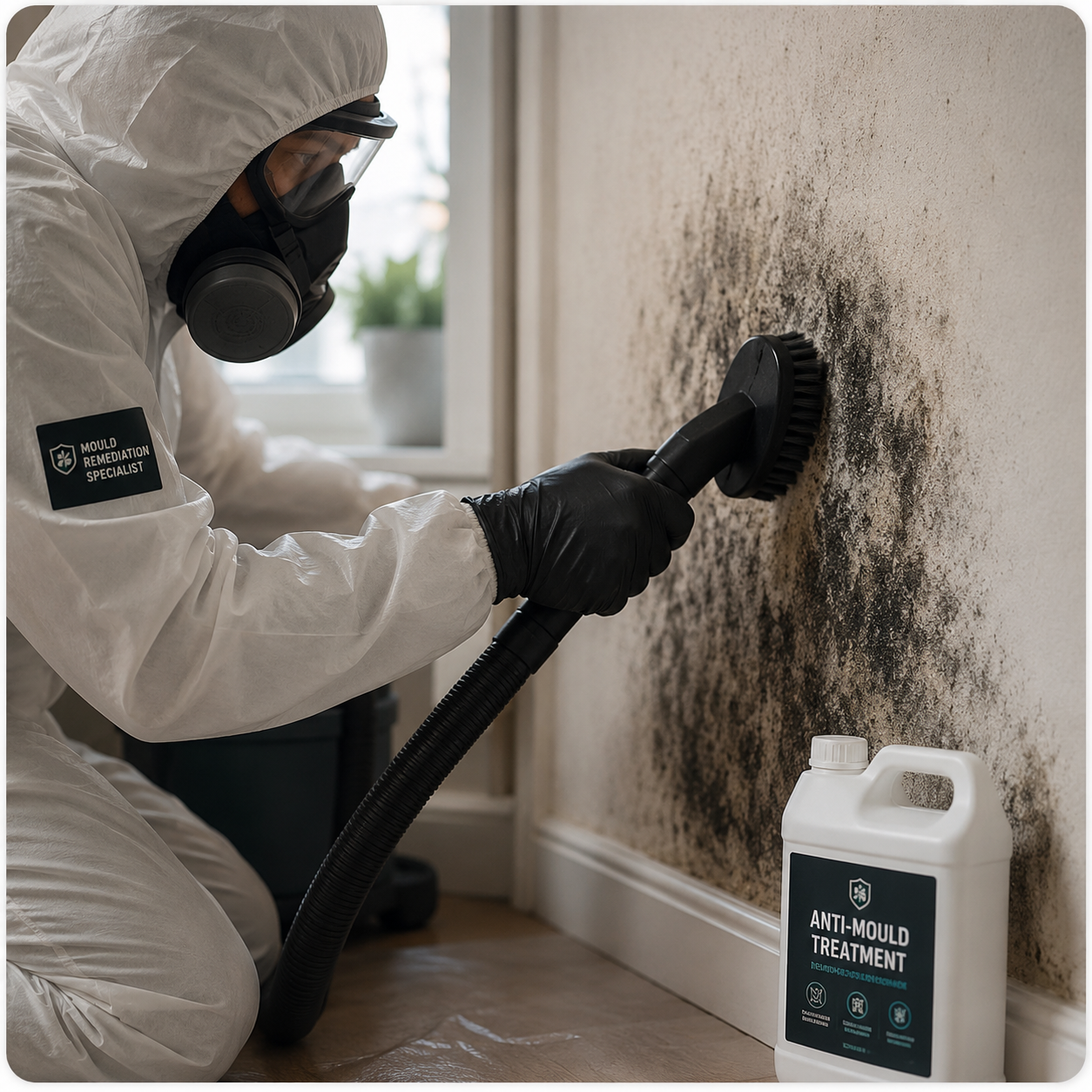
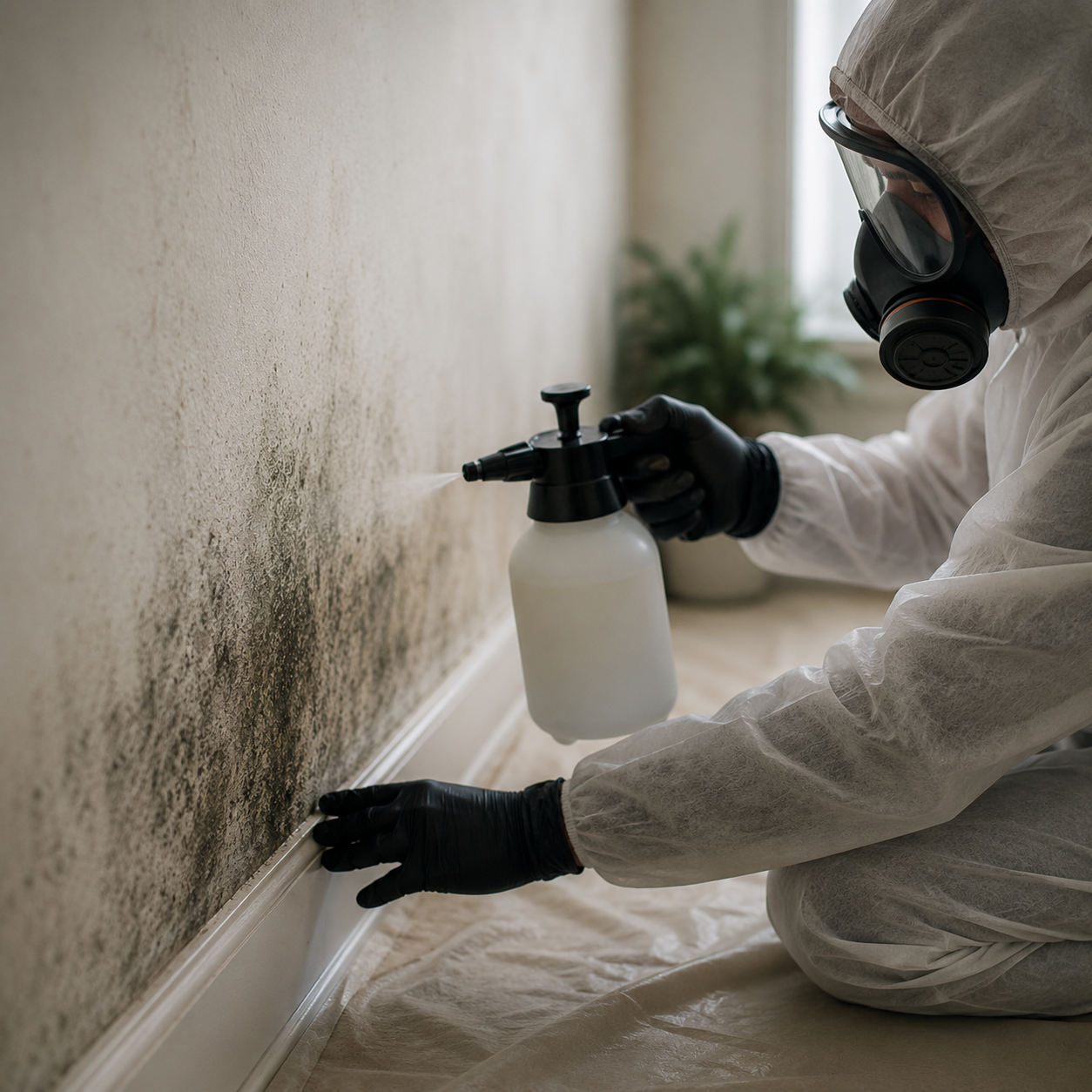
Ceiling mould can affect painted surfaces, plaster, decorative finishes, and surrounding wall areas if left untreated for extended periods. In some properties, mould may continue spreading into adjoining corners or upper wall sections where moisture remains trapped. Our remediation services may include mould removal, anti-fungal surface treatment, condensation assessments, moisture investigations, and practical guidance aimed at helping reduce future mould growth.
At Mould Remediation London, we work with homeowners, landlords, tenants, estate agents, and commercial property managers across Greater London. Whether the issue affects a small bathroom ceiling or larger areas within the property, we provide professional ceiling mould remediation support tailored to the condition of the building and the underlying moisture problem.

Professional Remediation Backed by Client Trust
Estimated prices are based on typical mould and damp treatment scenarios in London properties and may vary depending on the severity of the issue, affected areas, and required remediation work.
At Mould Remediation London, we understand that every mould problem is different, which is why our pricing is calculated based on the specific condition of the property and the extent of the affected areas. Unlike simple cleaning services, mould remediation often involves identifying hidden moisture problems, assessing ventilation conditions, and determining the source of damp before treatment begins. Our estimated prices are designed to provide a realistic starting point for common residential and commercial mould issues across London.
One of the main factors influencing the cost is the size of the affected area. Small isolated patches of mould caused by temporary condensation are usually less complex to treat than widespread mould growth affecting multiple walls, ceilings, or rooms. Properties with long-term damp problems may require more detailed remediation work, especially if the mould has penetrated painted surfaces, plaster, wood, or surrounding materials.
We also consider the underlying cause of the mould growth when preparing an estimate. In many London properties, mould develops due to condensation build-up, poor airflow, cold external walls, hidden plumbing leaks, penetrating damp, or inadequate ventilation. Treating the visible mould without addressing the source can lead to recurring problems, which is why our approach focuses on long-term prevention as well as removal.
The accessibility of the affected areas can also impact pricing. Mould located behind furniture, inside loft spaces, stairwells, high ceilings, basements, or difficult-to-reach corners may require additional time, specialist equipment, or multiple visits. Larger commercial properties, rental blocks, and properties with ongoing moisture exposure may also need a more detailed remediation plan.
Our team carefully assesses the condition of the property before recommending a suitable treatment approach. Depending on the situation, the work may include mould removal, anti-fungal surface treatment, moisture detection, condensation control recommendations, airflow improvements, or damp-related investigations. We aim to provide practical and transparent pricing based on the actual condition of the property rather than unrealistic fixed costs that may not reflect the work required.
At Mould Remediation London, our goal is to deliver professional remediation solutions that are tailored to the property, helping homeowners, landlords, tenants, and businesses create healthier indoor environments. Whether the issue involves a small localised mould problem or larger moisture-related damage, we provide clear guidance and realistic pricing to help clients understand the scope of the required work.
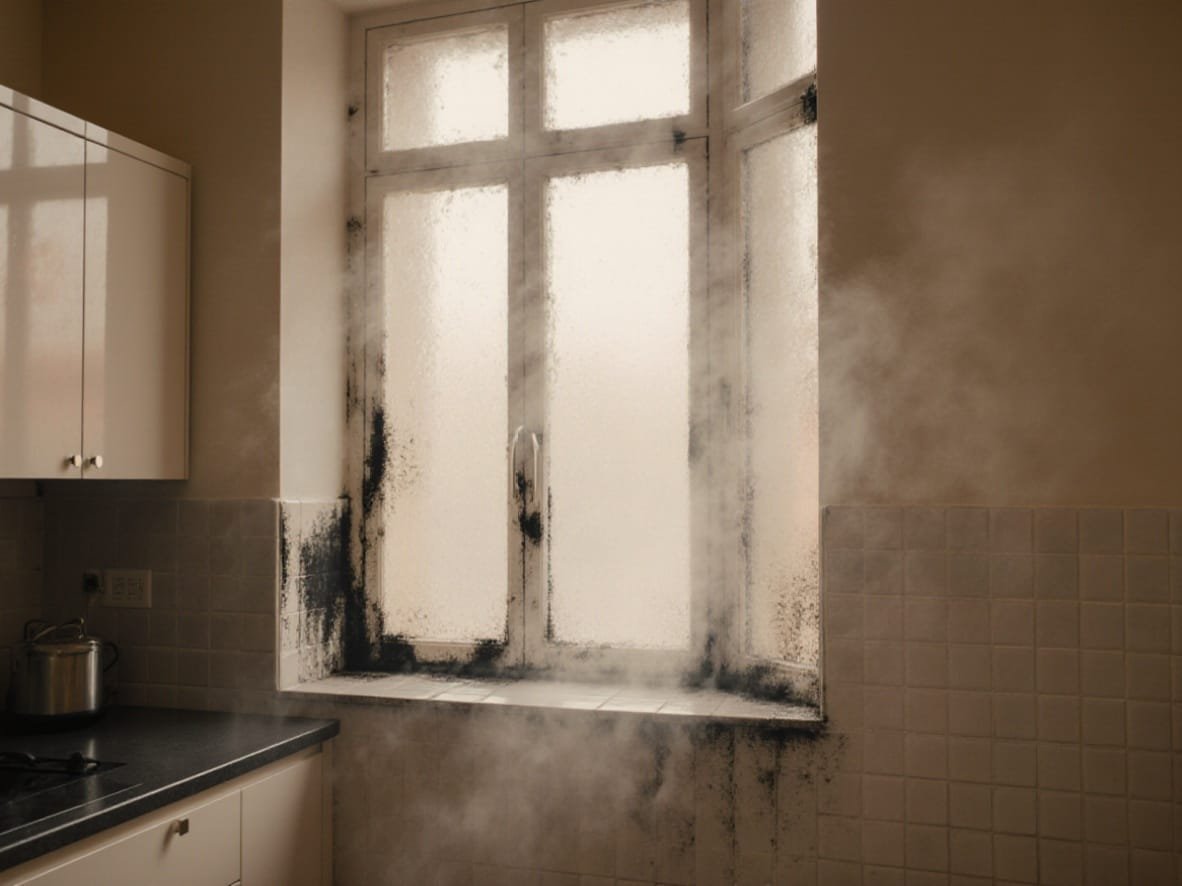
Ceiling mould problems often develop gradually as excess moisture and condensation continue building up inside the property over long periods of time. Rooms with limited ventilation and higher humidity levels are particularly vulnerable, especially during colder months when warm indoor air meets colder ceiling surfaces. Bathrooms and kitchens are among the most common areas affected due to regular steam exposure, but bedrooms, hallways, loft spaces, and communal areas can also experience recurring ceiling mould problems where airflow is restricted.
In many London properties, ceiling mould is linked to condensation rather than direct water leaks. Everyday activities such as showering, cooking, drying clothes indoors, and insufficient ventilation can significantly increase humidity levels throughout the home. When this moisture cannot escape properly, water vapour settles on colder ceiling areas and corners, creating the ideal conditions for mould growth to appear over time.
Older buildings across London may experience additional condensation-related challenges due to insulation limitations, aging extraction systems, cold bridging, and structural damp conditions affecting upper wall and ceiling surfaces. Modern apartments can also develop ceiling mould where ventilation systems are inadequate or where indoor humidity remains consistently high throughout the year. Every property behaves differently depending on airflow, heating habits, occupancy levels, and moisture exposure.
At Mould Remediation London, we assess the environmental conditions contributing to ceiling mould before recommending remediation work. Our approach may include moisture inspections, ventilation assessments, condensation analysis, and identification of hidden damp-related issues affecting the surrounding areas. This helps us provide more suitable long-term recommendations aimed at reducing the risk of recurring mould growth after treatment.
Many people attempt to remove ceiling mould using household cleaning sprays or temporary cosmetic solutions, but mould may quickly return if the moisture problem remains unresolved. Professional remediation focuses not only on treating visible mould but also on understanding why the mould developed in the first place. By addressing the contributing conditions, property owners can often improve indoor air quality and reduce ongoing condensation-related problems throughout the building.